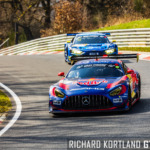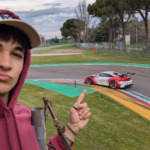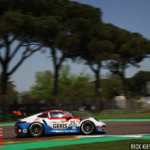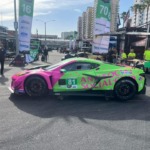
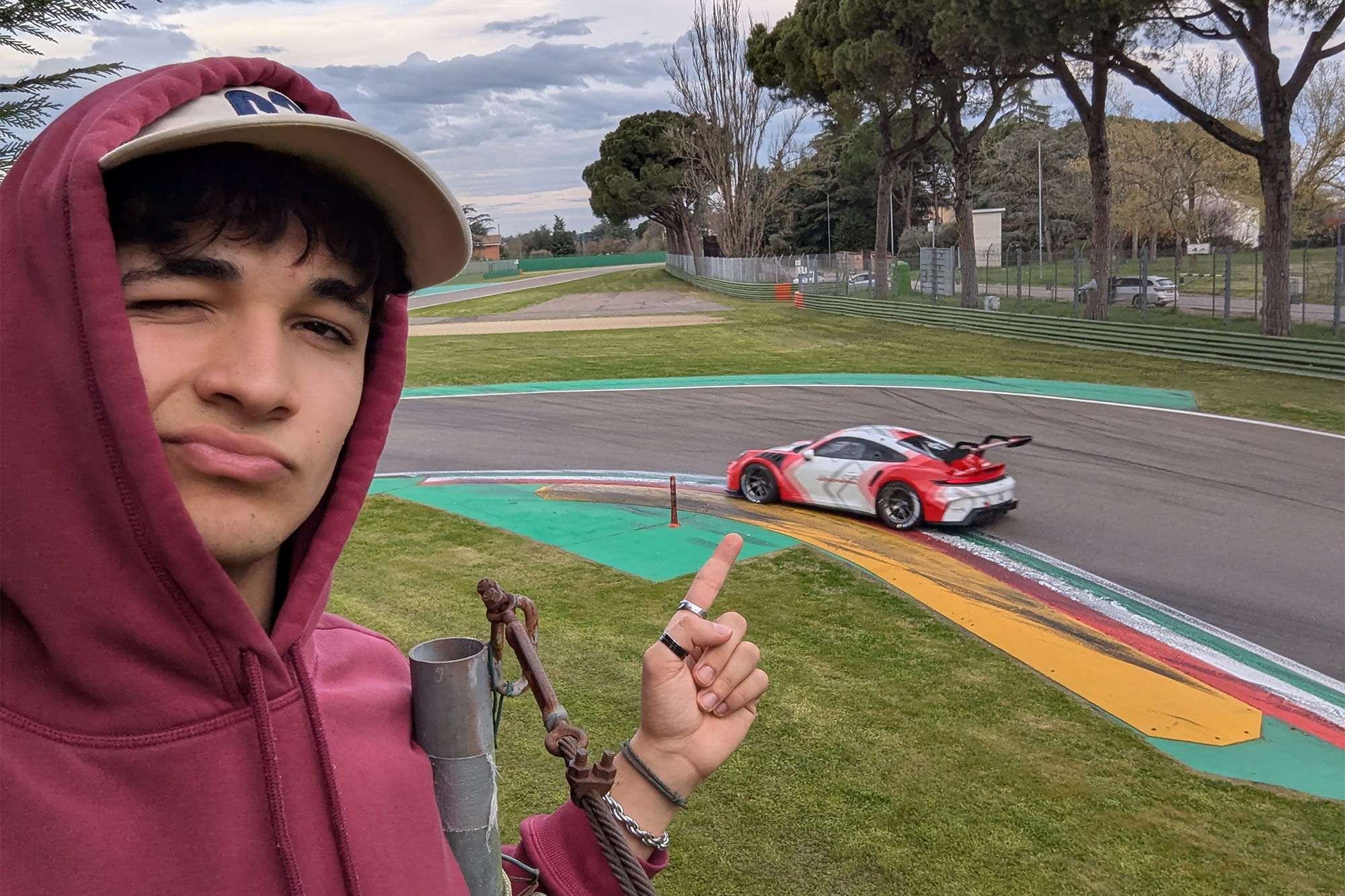
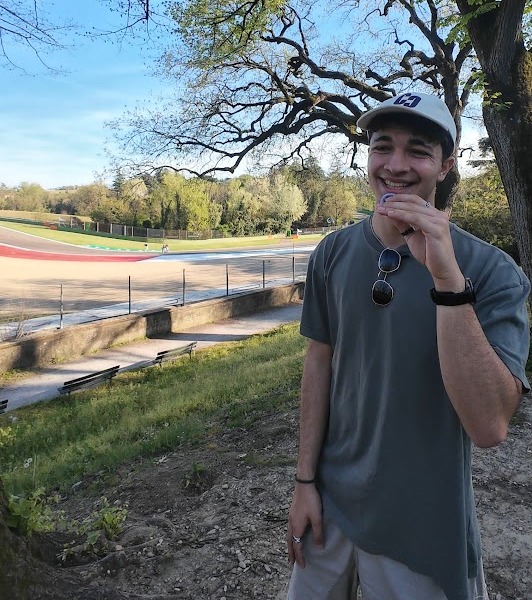
The FIA World Endurance Championship (WEC) season is about to begin at the iconic Imola circuit. In the small town of Imola, home to around 69,350 residents, one of them stands out on social media: 18‑year‑old Marco Palermo. Through his Instagram account Imola Spotting, he shares his passion for the circuit and its culture with motorsport fans.
A City That Breathes Motorsport and Noise
The young Italian grew up right next to the track. From his home, he looks straight down onto the final two corners. “One of the perks about living in Imola, which is something I always try to make people proud of, is how close the track is to the city,” he says, as he points to Rivazza just outside his window to show he really means it. “You can be a fan by literally just walking through the city and seeing the cars zoom past you. It’s pretty fun.”
But he notices that not everyone feels the same way. “A lot of people actually complain about the noise. We have a lot of problems with this. A lot of cars have to put mufflers on and other things to reduce the noise.”
He has long since grown used to the sound and hopes Imola will always remain known for motorsport. “I feel like one strong point about Imola is that it’s one of the only real track cities. A lot of places call themselves a track city, but their circuit is actually 10 or 15 kilometers away from the center. Here, the track is the city.”
A True Classic
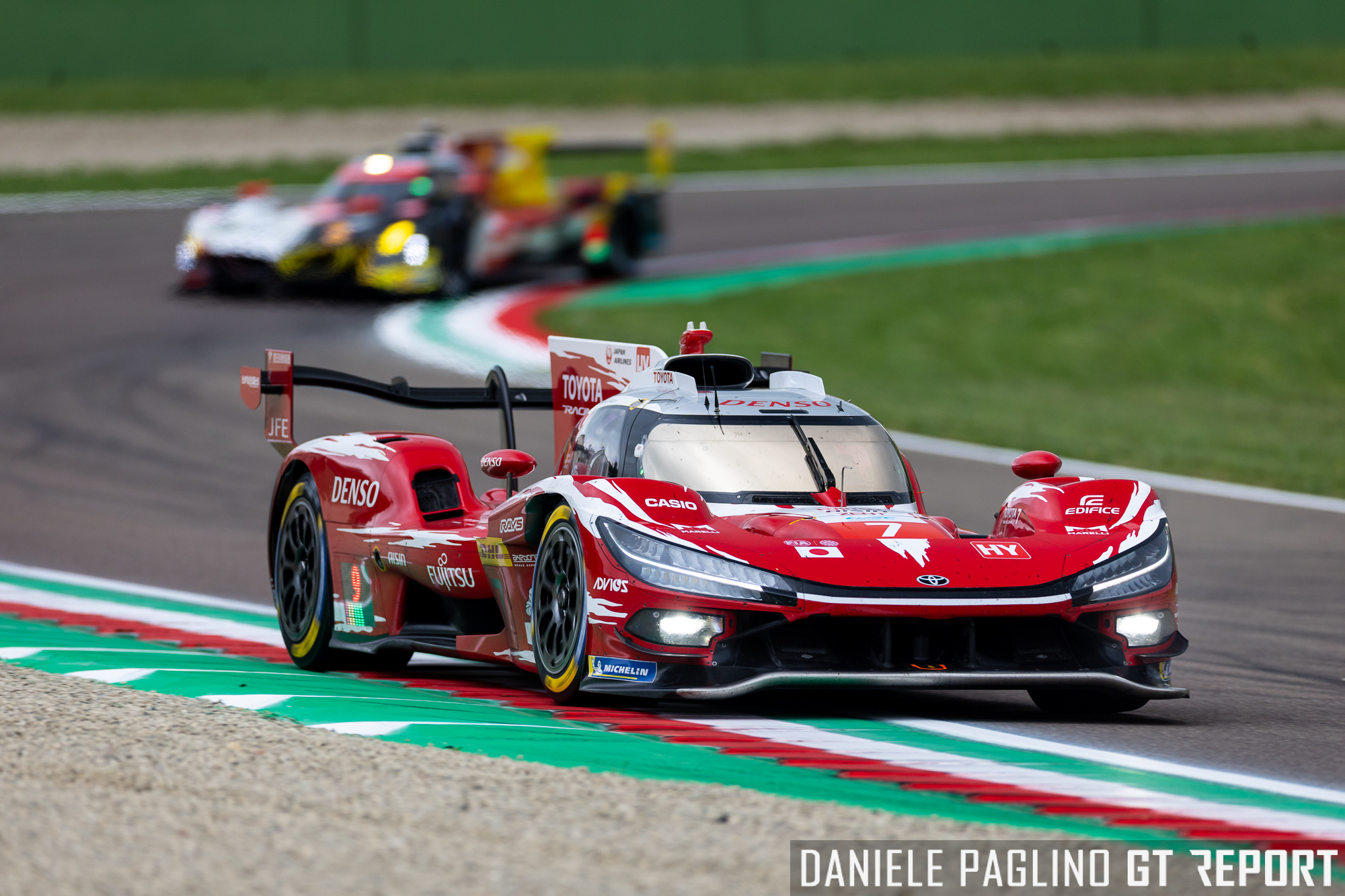
Imola is known as a real driver’s circuit, a place where your skills are put to the test. “I feel like Imola is one of those circuits where you have to prove that you know how to drive.” With its elevation changes and limited run‑off areas, it is a true challenge. “Imola is a very unforgiving track,” Marco adds.
Because Imola is so demanding, something happens every race. “We see it all the time here when cars race. There are a lot of crashes, a lot of run‑offs. Especially in multi‑class series. Drivers are impatient.”
Marco has an explanation for that. “Nowadays drivers are kind of used to very big tracks, big run‑offs and stuff like that.” The 4.909‑kilometer circuit is the opposite. “It’s so technical, and it’s also so narrow.”
Overtaking is an art here. “You actually have to know how to overtake. It’s not just going on the straight and braking at a big corner. You actually need some balls to attempt some of these overtakes.”

Ferrari Blood in a Porsche Heart
“When you’re born in Italy, you’re just a Ferrari fan. There is very little to do about it. You’re told when you’re a kid that the car is red,” he says, echoing the iconic words of former Ferrari Formula 1 driver Sebastian Vettel: everyone is a Ferrari fan, even if they say they’re not.
Yet the Ferrari blood is pumped by a Porsche heart. “I’m a Porsche fan. But deep down I’m a Ferrari fan. Because that’s how you’re born.”
But Marco is no exception when it comes to the passion that defines the Tifosi and all of Italy. “In Italy, we have a need to show our support to the teams, to the track, to everything. And we are a very passionate culture. Of course, if they win their home race, everybody is going to be happy,” he says with typical Italian fire.
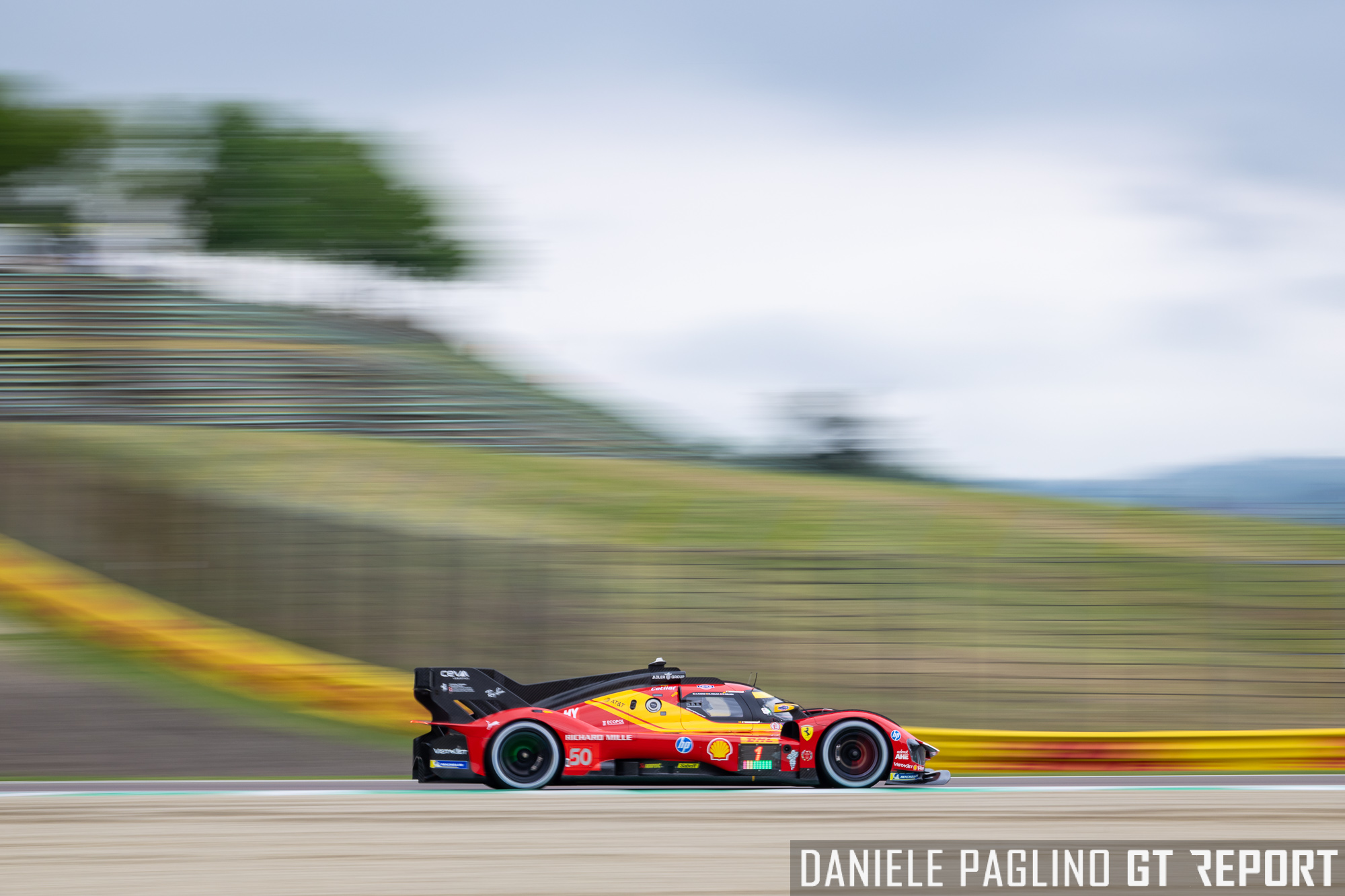
“Last year, there was smoke, there were huge flags, all of that. It’s just amazing. It’s almost like winning the World Cup.” Ferrari, he says, is much more than local or national pride. “It’s definitely crazy. I feel like overall, Ferrari fans all over the world are some of the most active ones.”
The Future of Imola
This season is the first since its return in 2020 that Imola is no longer on the Formula 1 calendar, and Marco feels the loss. “It’s definitely a loss, especially for the city, because the city heavily relies on funding from all of these events. But we can’t do much about it. Generally, we are losing a lot of events.”
The main reason is the money needed to host events like Formula 1
Marco wants to put Imola back on the map. “I just share my passion and show what Imola has to offer. Because it’s often, I feel like, a forgotten track. Many people know Imola, but never actually see it. Especially now that Formula 1 decided to remove it from the calendar. I feel like it needs some justice. That’s my mission.”
He knows he cannot do it alone and suggests more ideas to bring the circuit back into the spotlight. “I feel like we should just move on from F1 and accept more challenges. I feel like the GT World Challenge is very nice. GT cars here at Imola perform a bit better because they’re not as fast, and they are a bit more agile in the corners. So maybe that’s the ideal thing Imola should be looking for.”
He also sees ways the city could improve things outside the racing itself. “I feel like the city could do more for the citizens. For example, closing the schools for the WEC weekend so students can go and watch it, or maybe taking some partnership and doing tickets that cost a bit less for the citizens.”
Even outside race weekends, there is room for improvement. “Keeping the grandstands open all year round, because right now you can’t actually get on the grandstands when there is testing going on. You have to do some weird jumps or go to weird spots, on top of a mountain, on top of a hill, just to watch the track. That’s crazy. If you make the track more public to everybody, everybody is going to be more happy.”
More Than Just an Iconic Circuit
For Marco, Imola is more than an iconic track. “It’s such a nice track to be a spectator on. There is so much park, so much walking to do. When you have cars zooming past you at 300 kilometers an hour, like ten meters away from you, it’s definitely an experience. And that’s what I always suggest to everybody coming to WEC: just walk. Just experience the track. Go around. Explore. Enjoy the moment.”
And finally, the boy who knows Imola like the back of his hand sums it up in one line: “Make Imola great again. That’s a small, more local objective for me.”
Love what we do? Support GT REPORT with a donation and fuel our next trip to the racetrack.
Even €5 makes a difference!