Choosing a GT3 car means committing to the manufacturer behind it. Teams rely on technical support, part supply and relationships built over years of racing. For Simon Wilbers, who took over as Head of Mercedes-AMG Motorsport on 1 July, maintaining that backing is central to the company’s plans for GT racing alongside its Formula 1 involvement.
Audi’s gradual withdrawal from factory-backed GT racing illustrates what happens when those priorities change. Formula 1 became the manufacturer’s main commitment in 2023, while its R8 LMS GT3 remained competitive. Teams still racing the car now face difficult investment decisions, with no commitment from Audi to develop a successor.
In conversation with GT REPORT earlier this year, Christopher Haase and Simon Reicher described how the expertise and connections built over years of racing were becoming harder to preserve. Reicher contrasted their experience with the backing available to Mercedes-AMG Motorsport teams: “The support that Mercedes offers is the difference they make.”
The support behind the results
The comparison raises a wider question about the place of GT racing within a manufacturer’s ambitions. Mercedes maintains a major Formula 1 presence while continuing to develop its customer racing operation. Wilbers and his team oversee a network of more than 100 active customer racing teams worldwide.
“Motorsport is part of Mercedes-AMG’s DNA, and Customer Racing has been a key pillar of our activities for more than 15 years. With over 100 active Customer Racing Teams worldwide, we run one of the largest and most successful programmes in the world. That is something we are naturally very proud of,” Wilbers tells GT REPORT.
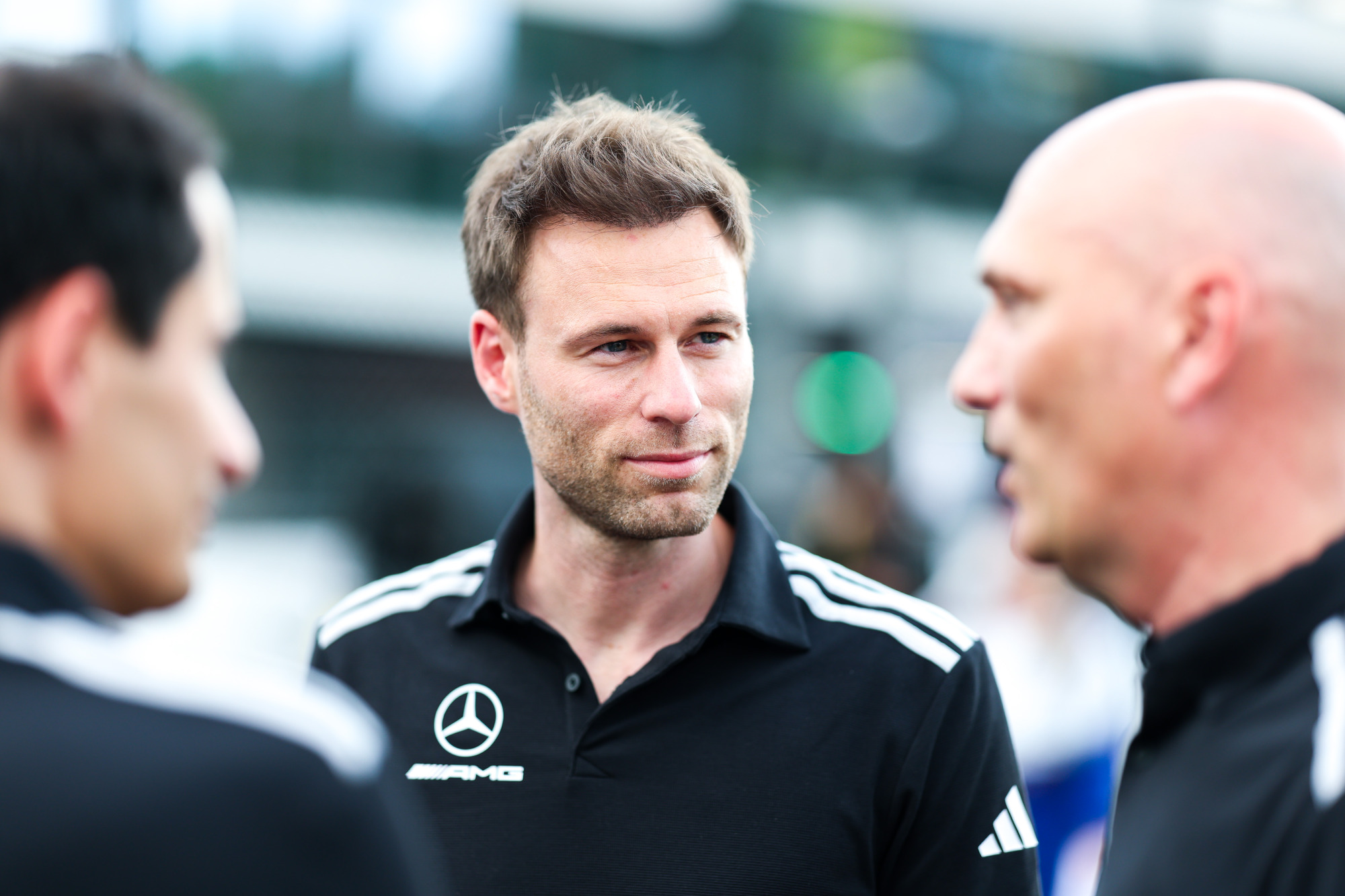
Simon Wilbers, Head of Mercedes-AMG Motorsport since July 1, 2026. © Mercedes-AMG Motorsport
“Our ambition is to continue playing an active role in shaping the future of GT racing and to provide our Customer Racing Teams with the best possible conditions for success on the track,” he continues.
“Alongside a competitive car, this means first-class technical support, a reliable worldwide spare parts supply and long-term planning security for our customers.”
Different roles for Formula 1 and GT racing
With Mercedes committed to both Formula 1 and GT racing, Wilbers describes how each programme earns its place. “Formula 1 is the pinnacle of motorsport and provides Mercedes-Benz and Mercedes-AMG with a unique global platform for technology, innovation and brand visibility,” he explains. “At the same time, knowledge and technologies from Formula 1 feed into the development of our road cars.
“GT racing, on the other hand, is directly focused on the needs of our Customers,” Wilbers continues. “Through our Customer Racing Programme, we enable teams around the world to compete at the highest level of motorsport with Mercedes-AMG racing cars developed in Affalterbach. Both programmes serve different strategic objectives, but complement each other extremely well and are key pillars of our motorsport activities.”
He also points to the business of selling and supporting racing cars across three GT categories. “The Customer Racing Programme of Mercedes-AMG Motorsport – which includes GT2 and GT4 alongside GT3 – is an important offering for our Customers, a business model in its own right and a strategically significant pillar of our motorsport activities,” Wilbers says.
 “GT racing is and will remain an integral part of our long-term motorsport strategy. We have further underlined this commitment with the development of a successor to the Mercedes-AMG GT3. We will continue to invest in the development and long-term competitiveness of our Customer Racing Programme, independently of our involvement in Formula 1.”
What factory support means for the teams
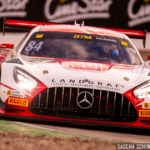
The level of factory involvement varies between entries. Mercedes-AMG Motorsport provides additional backing to selected teams through its ‘Performance Team Entries’, competing in DTM, the Nürburgring Nordschleife programme, GT World Challenge and the Intercontinental GT Challenge.
“Works support is a key factor in the success of our Customer Racing Teams and is equally important to us as a manufacturer,” Wilbers explains. “When a team competes under the Mercedes-AMG Team name, we are directly involved at factory level, providing dedicated technical expertise, engineers and drivers.”
Other customers can request help from the same pool of specialists. “Beyond that, all our Customer Racing Teams benefit from our extensive know-how and can call upon additional support from our experts and drivers from our works driver line-up whenever required.”

“Our Teams form the foundation of the Mercedes-AMG Customer Racing Programme and, through their activities and successes around the world, make a significant contribution to its strength,” he says.
“For us, the key is to strike the right balance between traditional Customer Racing and works involvement, ensuring that we deploy our resources where they make the most sense from both a sporting and strategic perspective.”
A new role, with the next GT3 already a priority
Wilbers had worked at Mercedes-AMG Motorsport for three years before taking charge in July. He was familiar with the operation, though the move has changed his perspective.
“The past few months have been both exciting and intense for me personally. Although I have been part of Mercedes-AMG Motorsport since 2023 and was already closely involved in many areas in my previous role, taking on overall responsibility is a different challenge altogether.
“Mercedes-AMG Motorsport has a strong foundation, and I know the strengths of the team very well. At the same time, one thing is clear to me: I also have my own vision of how we want to develop moving forward, introduce fresh ideas and make the right strategic decisions for the years ahead.
“One of our most important projects at present is the development of the successor to the Mercedes-AMG GT3.”
Asked about the wider state of GT3 racing, Wilbers welcomes both the competition between manufacturers and the attention brought by drivers arriving from other categories. “The current development of GT3 racing is impressive. The level of competition has increased significantly across all series, manufacturers are competing at the highest level, and international interest continues to grow,” he says.
“The fact that drivers such as Max Verstappen are also taking a keen interest in GT3 racing brings even greater attention to the sport. Ultimately, this benefits everyone: manufacturers, teams, drivers, partners and, of course, the fans.
“For us, this development is both a confirmation of what we have achieved and a motivation to keep pushing forward.”

Giving customers a future to plan around
Wilbers also points to changes within the organisation and longer agreements with drivers, customers and partners. “A clear demonstration of our long-term commitment is the development of the successor to the Mercedes-AMG GT3,” he explains.
“This is further reinforced by the establishment of our wholly owned subsidiary, Affalterbach Racing GmbH, two years ago, as well as our focus on securing long-term agreements wherever possible with our drivers, customers and partners, providing confidence and planning certainty.
“Together, these measures underline our ambitions and our clear determination to remain fully committed to GT racing in the years to come.”