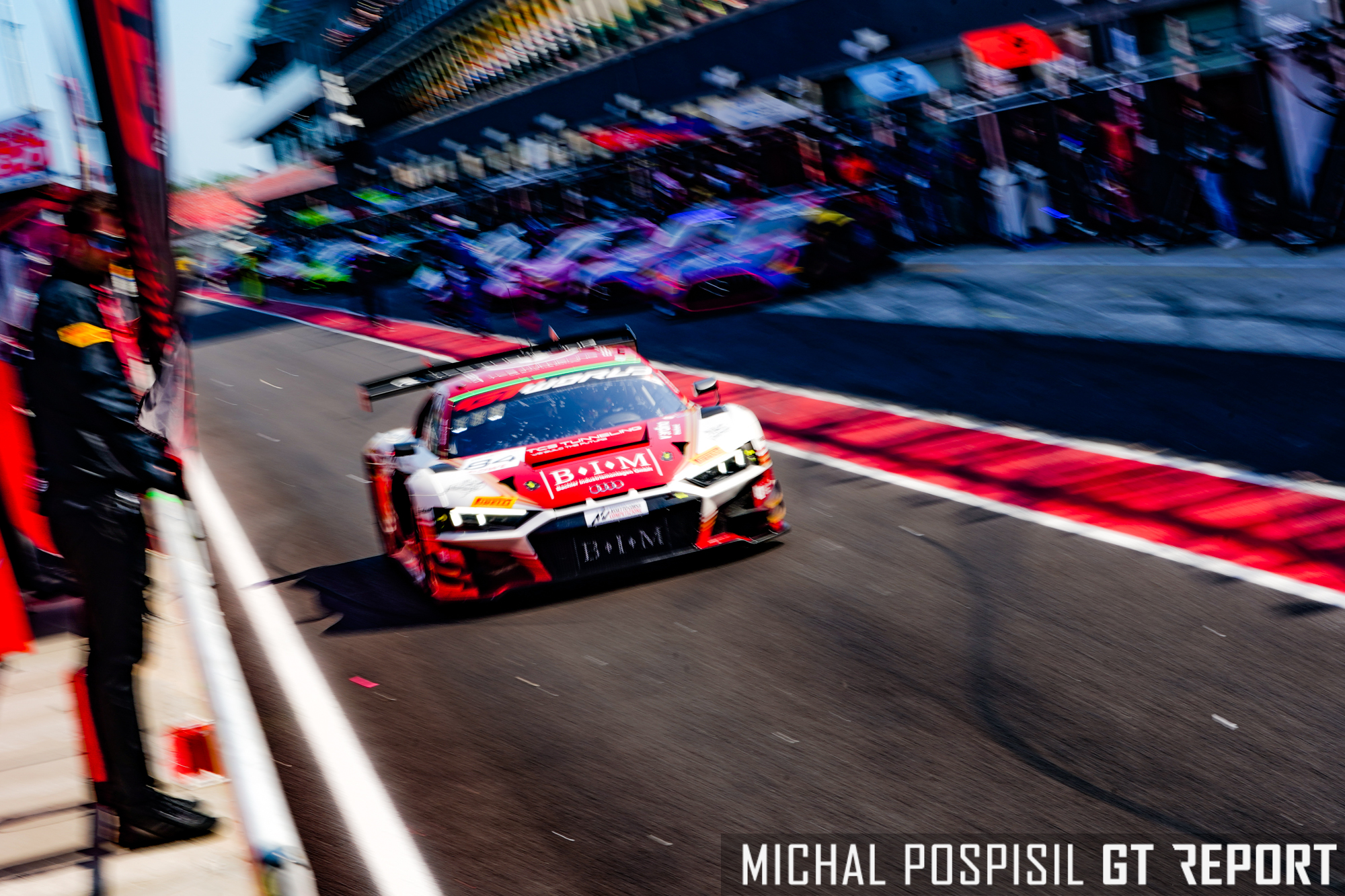
Three years after Audi officially ended its factory-backed GT3 programme, the R8 LMS GT3 is still one of the best cars on the grid, surviving because of the commitment and passion of the teams still running the car. Out of almost 200 entered races so far in 2026, the silver arrows have already collected over 50 wins. But beneath the results, the programme’s soul and foundation are gradually disappearing.
That’s the conclusion after Audi decided to pull the plug on the GT3 project – opting to focus on the Formula 1 project that debuted in 2026 under the new technical regulations. Christopher Haase, who’s been with Audi for fourteen years, saw it coming. “I was not so surprised,” he tells GT REPORT.
“But also still today, I cannot believe they stopped this programme, because it was incredibly good. It was not just this – there was so much effort from these people, and this is what you don’t find often. And still, there are good people from Audi here. They know the programme is done, but they still try to do their best for the customers in every way they can.
“I know that this is very unusual. It also shows how good this programme has been in the past,” Haase adds. The Audi R8 LMS GT3 has achieved major global successes, including 125 driver titles, 202 team and class titles, and 19 victories in 24-hour races. Audi Sport Customer Racing redefined global dominance by securing over 500 total titles across its GT3, GT4 and TCR programmes.
Audi shifted focus to Formula 1: “To rebuild it all over again is very hard”
An obvious reason why Audi was the talk of the paddock at any track, Simon Reicher – Eastalent Racing driver and teammate of Haase – confirms: “We started with Audi in 2017, although not as a team that year, and Eastalent is in its fourth year with Christopher. He told us that the Audi Sport customer support is so good and also economical as a team to choose in the highest class of GT racing – that it was never a question for us to do anything else.”
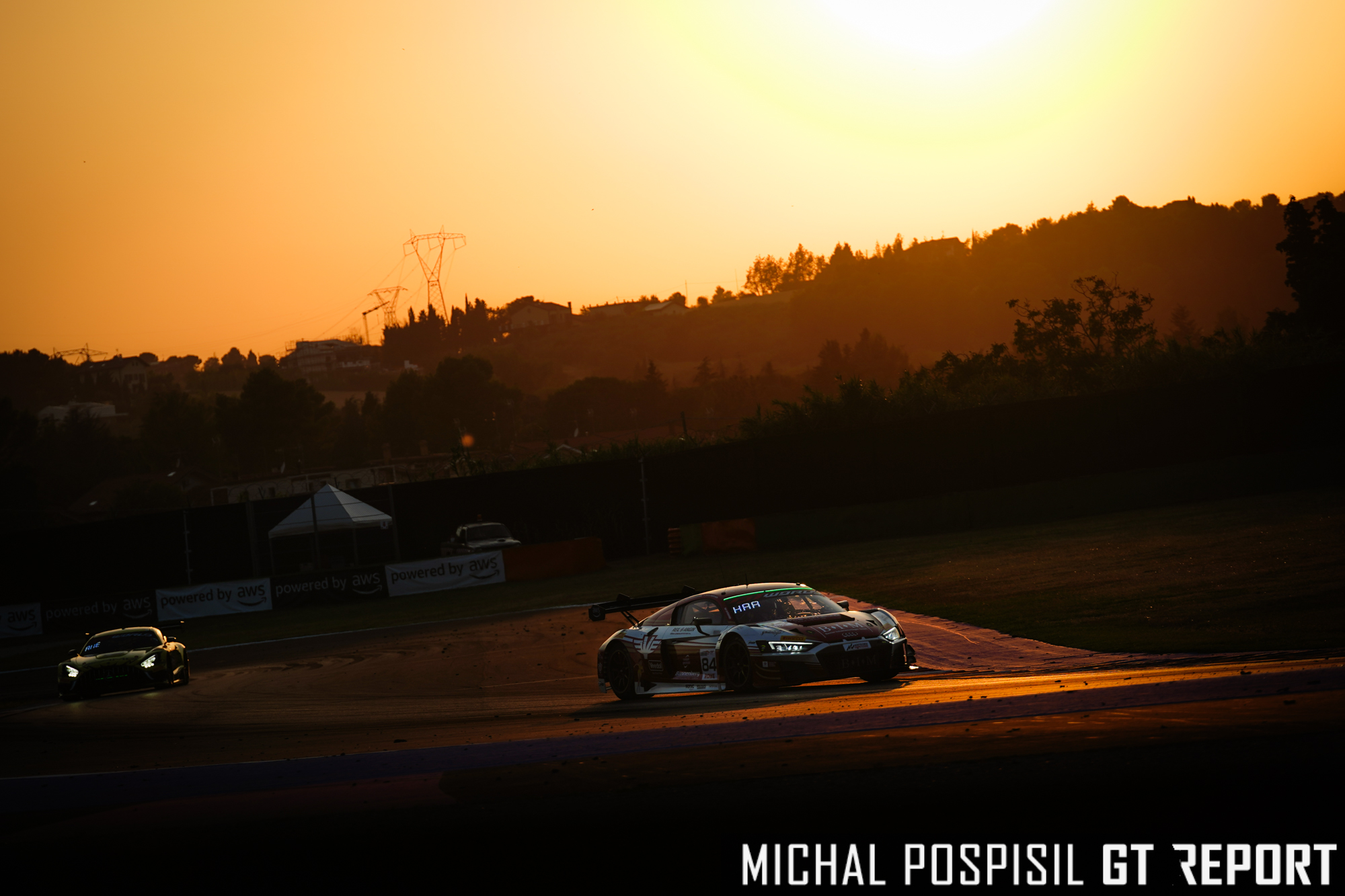
Reicher’s father and team owner, Peter Reicher, called Audi four times a week to get Haase on board with Eastalent’s project. “We asked a lot of people about what to do if we want to set up our own team: we need one factory driver. And this progamme was perfectly designed: if Audi wants to support you, they gave you one factory driver, and then you get support and insights from the factory. You’re not lost on your own,” Reicher continues.
“The short version is that some people decided that Formula 1 was more important than the base of where Audi was really successful. They stopped everything for us as a team. You have to imagine: this was a successful programme. Not just for drivers, it was a successful programme for the teams, and for the brand. There’s a reason why there are so many Audis driving around the world and why the Audi is one of the most built GT3 cars of all time.
“For the future and for us as a team, we need to check in which direction we want to go. It’s now two full years since it happened, and you can feel that the spirit, the passion for racing has died. To rebuild this all again – and it doesn’t matter what everybody’s talking about – is very hard.”
How Mercedes-AMG Motorsport is the perfect example
The little support the customer teams still get from Audi is enough for some. Tresor Attempto Racing team owner Arkin Aka does not feel a big difference with the era before 2023. “When we have an issue with the car, the technical engineering is also here. We’re happy with them,” he says. “We’re missing nothing, which you see: the old Audi and the old Mercedes are still running.
“We have a lot of experience with the car. For us, it’s not a big thing. It depends more on what the Balance of Performance (BoP) is doing. This was a nightmare for us in Misano. We had a good BoP in the beginning, and then they gave us twenty kilos in the car. [Stéphane] Ratel makes a mega job, but I think for this point we maybe need a bit more support from Audi, but they are also pushing,” Aka adds, referring to Haase’s comment on how Audi still does everything in their power to help the customer teams.
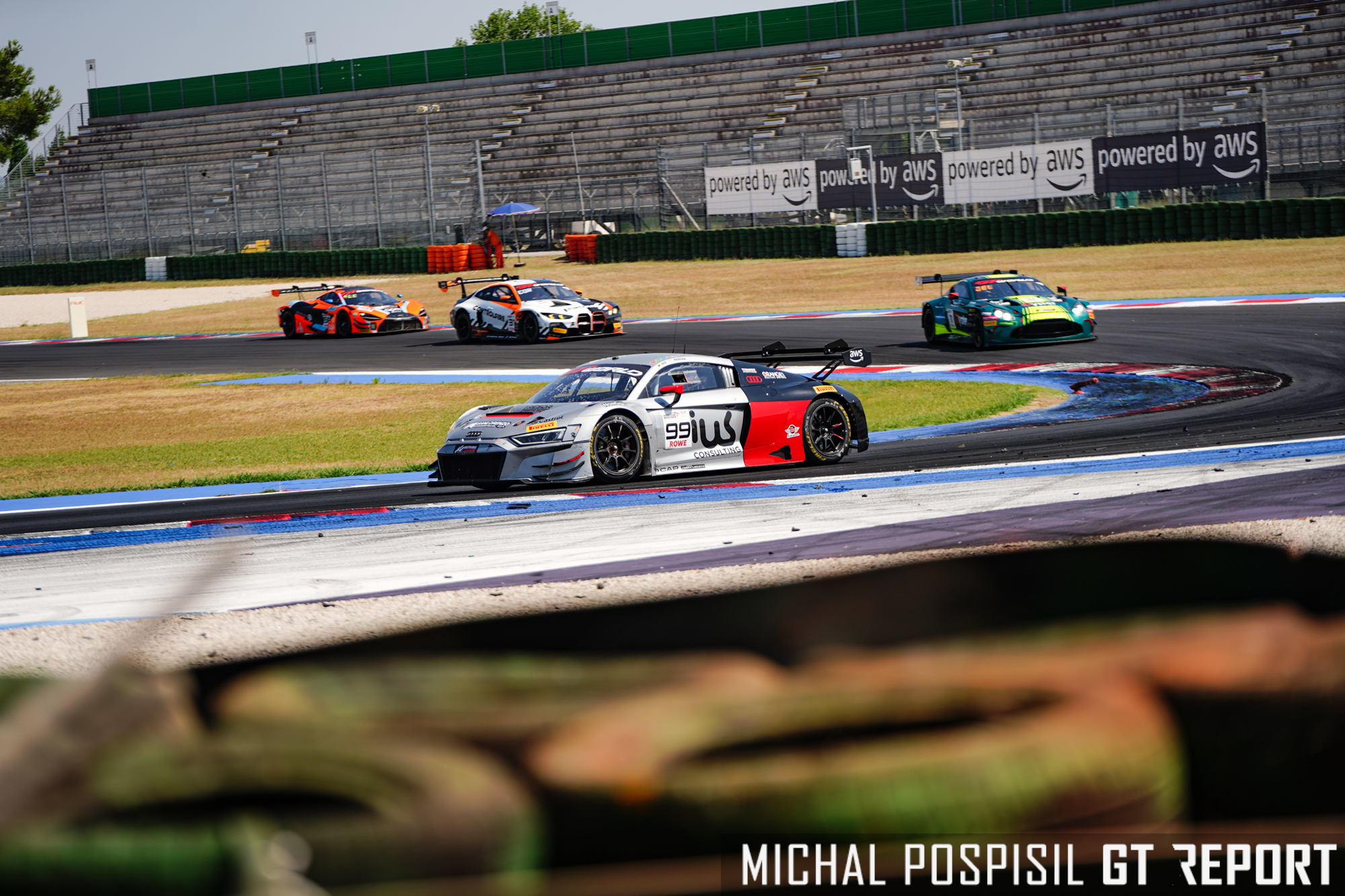
For Audi now, Mercedes-AMG Motorsport delivers a perfect example. “The car is one year younger than the Audi. They have the same platform from the date it launched, but the support that Mercedes offers is the difference they make,” Reicher adds. “To highlight it: it shows again how good this car [the R8] has been.”
It gives an answer to the question why Haase hasn’t been looking at GT3 programmes of other manufacturers. “It’s what I discovered with other cars in my non-factory time. It shows you: this car has been incredibly good in the past, and can still run by actually not touching it. Audi Sport can be very proud of this to tell this story everywhere,” Haase says.
“Also the people who have developed the car, they can be so proud. To reach a level like this in the business is very tough. For this you need a lot of passion. You need people to wake up in the middle of the night with an idea. This is what you need to build a car like this.”
“Once this breaks, it’s going to be history”
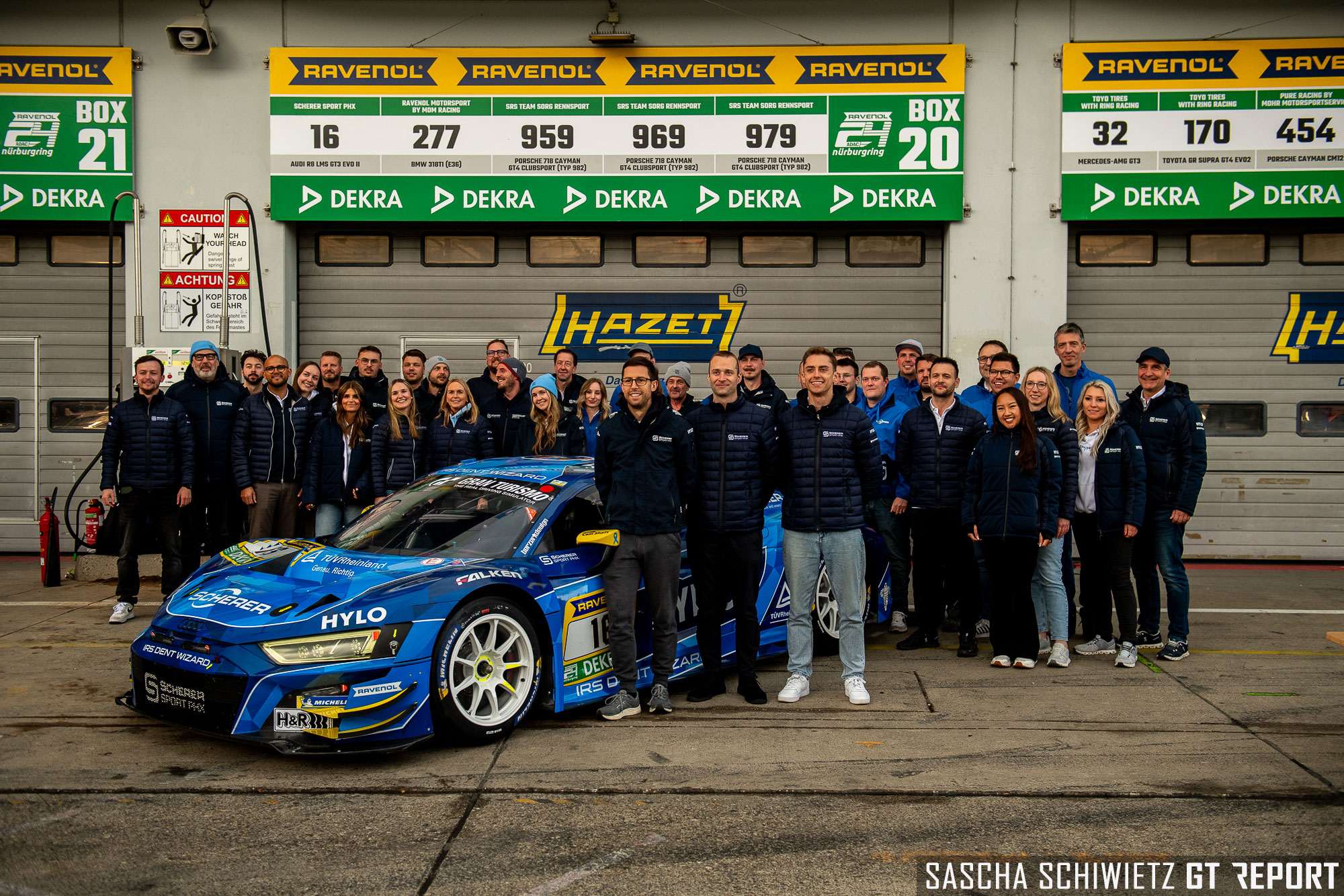
Haase and Reicher see Audi’s customer racing teams now holding onto the ‘last ties’ of the factory-based era. “From the outside, I can understand it looks like nothing has changed,” Haase continues. “If you take Scherer Sport PHX for example – they have been a factory team for such a long time, and it’s been the same people. The development of the car was realized by the experienced people, myself and the money put in by Mr. Scherer.
“These are the last ties you see, also with Eastalent, Attempto. Once this breaks, it’s going to be history. We’re reaching the point where it doesn’t look ‘the same’ anymore, where you need that last bit of support. It’s making sure everybody goes in the right direction. Now you just fight against each other, the other Audis. Sometimes it’s good to have a bigger overview.”
It’s clear that GT racing has already entered a new era, in which the lines between a factory-programme and a customer programme have become more blurry. It makes Aka question what defines a factory team nowadays, besides factory drivers in a line-up. “Look at what Porsche is doing,” Aka points out. “They keep out all the factory drivers. McLaren… How many factory drivers does McLaren have? Everyone who arrives there is a factory driver.
“Ferrari maybe has three factory drivers, but I think their main focus is the LMDh programme and Formula 1. BMW now starts to reduce the availability of IGTC. We have to see what will happen next. I think the bigger problem at the moment is for example Lamborghini. All cars are given to the company to let them run, but nobody wants to buy it, because the car is nearly a second off the pace here. Meanwhile the Audi is still so strong.”
Putting money in a product with no committed future
So, for how long will the Audi keep running competitively the way it does now? “As for the team, it’s just a question of: will you put money in something that has no committed future?” Simon Reicher looks at it from a team manager’s perspective. “Everybody has to check on everything, as everybody is now doing it by themselves.”
Including the development of the car, which can be done by the teams and the drivers themselves, but is simply not sustainable for the long term. “You can always develop the car by yourself. Let’s say with the homologation you have. This means damper work, but this eats money. I think the question for teams which are running Audi is: do I really try to develop my car further?” Haase questions.
“There’s no sense behind it. This is, I think, the biggest point which everybody is forcing at the moment. With different tire generations, you basically have to keep working. This is just a fact of motorsport. If you stop with it, your lap times will stop. If you keep working, you will be slow, you will be fast, and then get a constant pace. But are you putting money in a product which is actually not running anymore?”
New GT3 programme of Audi? “I will not hope for it”
The expectation seems to be that the teams still running the Audi R8 LMS GT3 will become extinct in the upcoming years. There are whispers that Audi might consider bringing a new GT3 programme to life, which is what the community probably hopes too. “People are talking that it may be based on the Nuvolari, but nobody knows. The Nuvolari was built in one year, and everybody was surprised,” Aka says. “What needs to happen for that (a new programme, ed.) is a base to build a new car, make a collective decision and then actually build a car.”
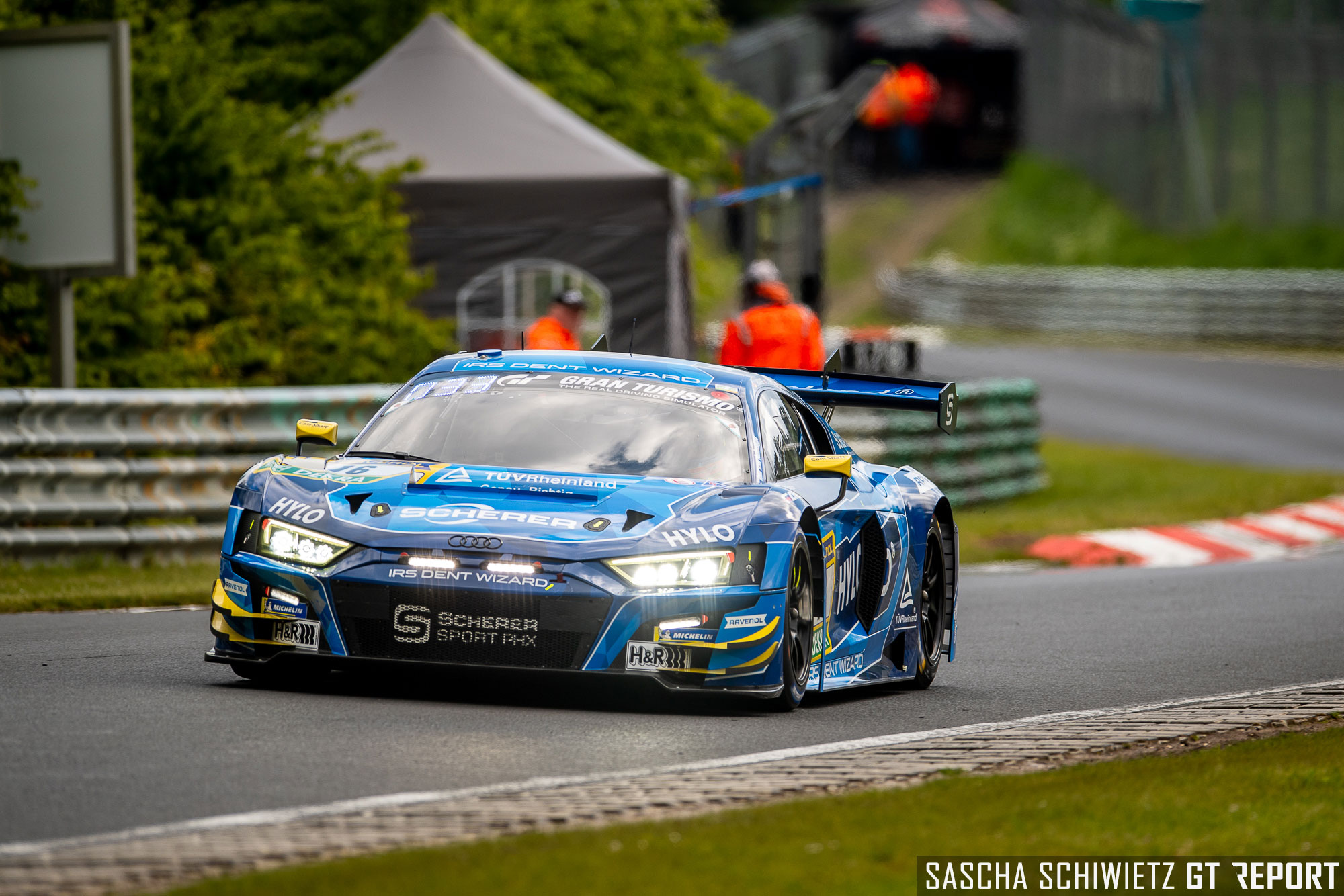
Eastalent Racing does not want to get their hopes up. Haase and Reicher are sure that Audi called it quits for good with their GT3 project. “I personally know: Audi is very direct. When they say stop, it means it stopped. I’m not jumping on a rumour, but it would be my wish for the community, because everything that comes from Ingolstadt is usually successful,” Haase adds. “I don’t know what will happen, but I will not hope for it.”
Reicher points out that Audi would be starting at a disadvantage right away: “There has been so much development in the ‘new generation’ of racing cars, which means Audi would need to catch up on all that stuff. The biggest thing is the spirit behind the brand. This spirit where I get goosebumps, for example, when I was in Le Mans watching Audi Sport in their best era.
“As Christopher said, you can’t hope for it. Time is moving fast and there are a lot of new cars on the market. You need to fight as a team, you need to take a look at how you can position yourself. If Audi says: tomorrow we build a car, and they will do it like the customer racing programme, we will go for it without a doubt.”