There are few places in motorsport where history feels so alive as Circuit Zandvoort. Nestled between the North Sea dunes, the Dutch circuit stirred into life once again for the 2026 Historic Grand Prix, where thousands of spectators wandered freely through an open paddock filled with legendary racing machinery. Under brilliant blue skies and soaring summer temperatures, colourful wildflowers framed the circuit, adding an almost postcard-like backdrop to the unmistakable smell of hot oil, racing fuel and warm tyres.
For three days, from 19 to 21 June, Zandvoort became a celebration of motorsport’s past and present. Historic Formula One cars, endurance legends, touring cars and classic GT machinery shared the same ribbon of tarmac, while drivers, mechanics and fans mixed together in one of the most accessible paddocks anywhere in Europe. There was live music in packed paddocks, food courts and the unique beachside atmosphere that sets Zandvoort apart from any other circuit.
GT REPORT caught up with three of the weekend’s stars along the way: Yelmer Buurman on racing at his home circuit, Nicky Pastorelli on why historics is now his job, and Shirley van der Lof-Buurman on three generations of a racing family.
A Circuit Built for Historic Racing
Zandvoort has always rewarded commitment. Its flowing corners, elevation changes and famous banked sections demand precision from both modern and historic machinery. The circuit’s natural amphitheatre allows spectators to see cars working hard through Tarzan, Hugenholtz and Scheivlak, while the sea breeze drifting across the dunes gives the venue an atmosphere unlike any other on the historic calendar.
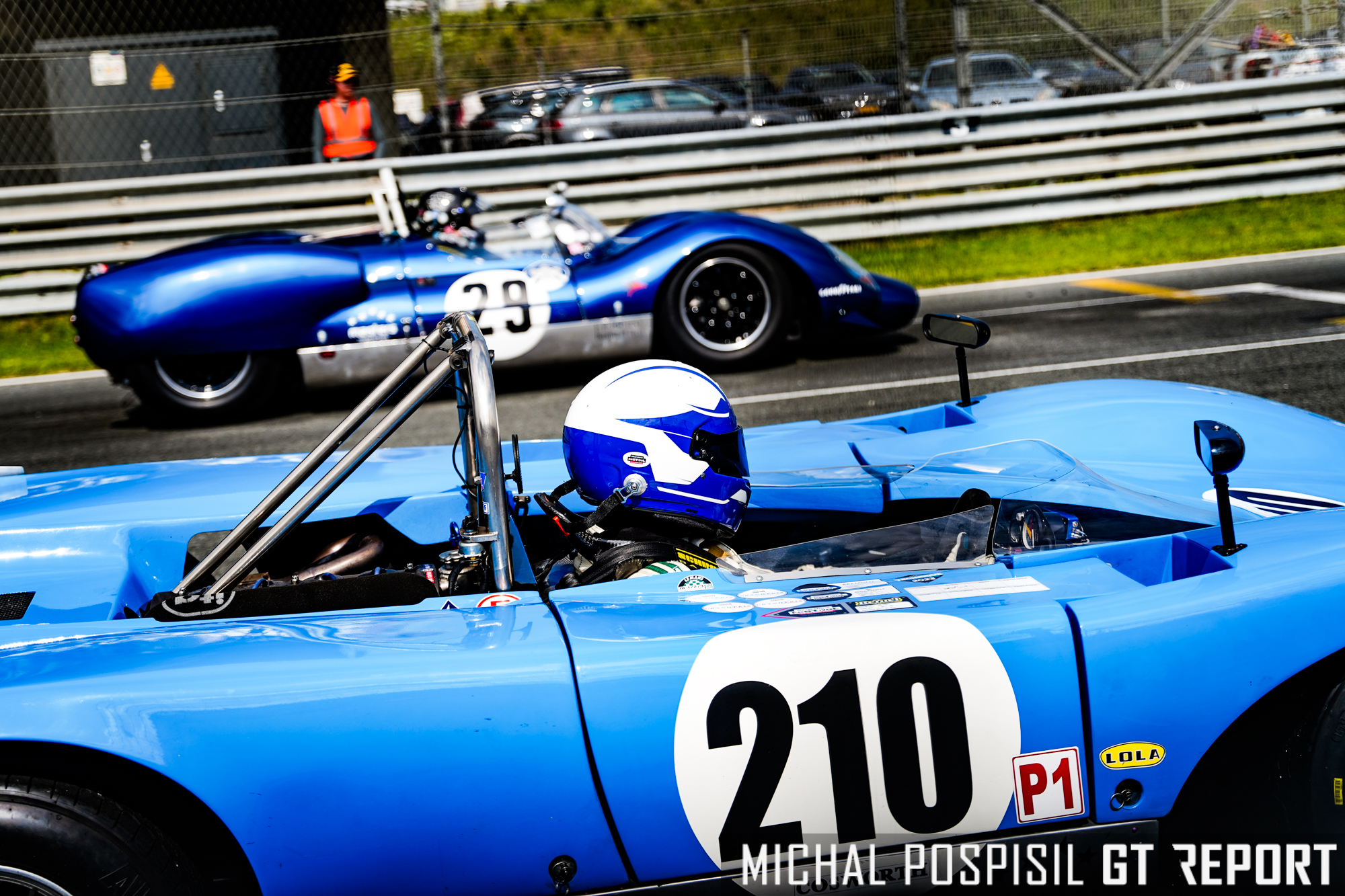
This year’s event once again demonstrated why the Historic Grand Prix has become one of Europe’s standout classic racing festivals. Every corner of the paddock represented a different era of motorsport history, from Formula One cars of the three-litre era to GT and endurance machinery that once fought at Le Mans, Spa and the Nürburgring.
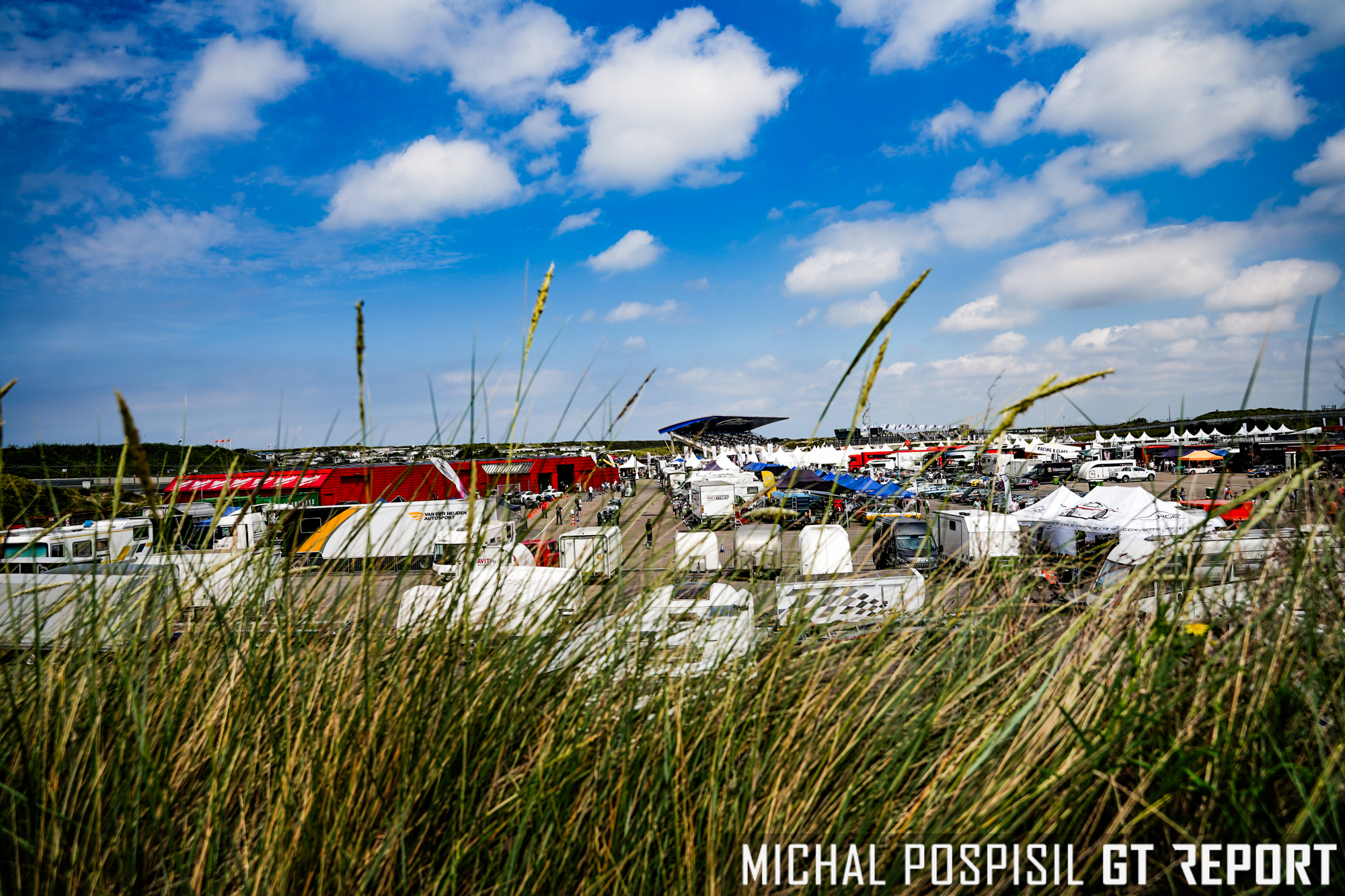
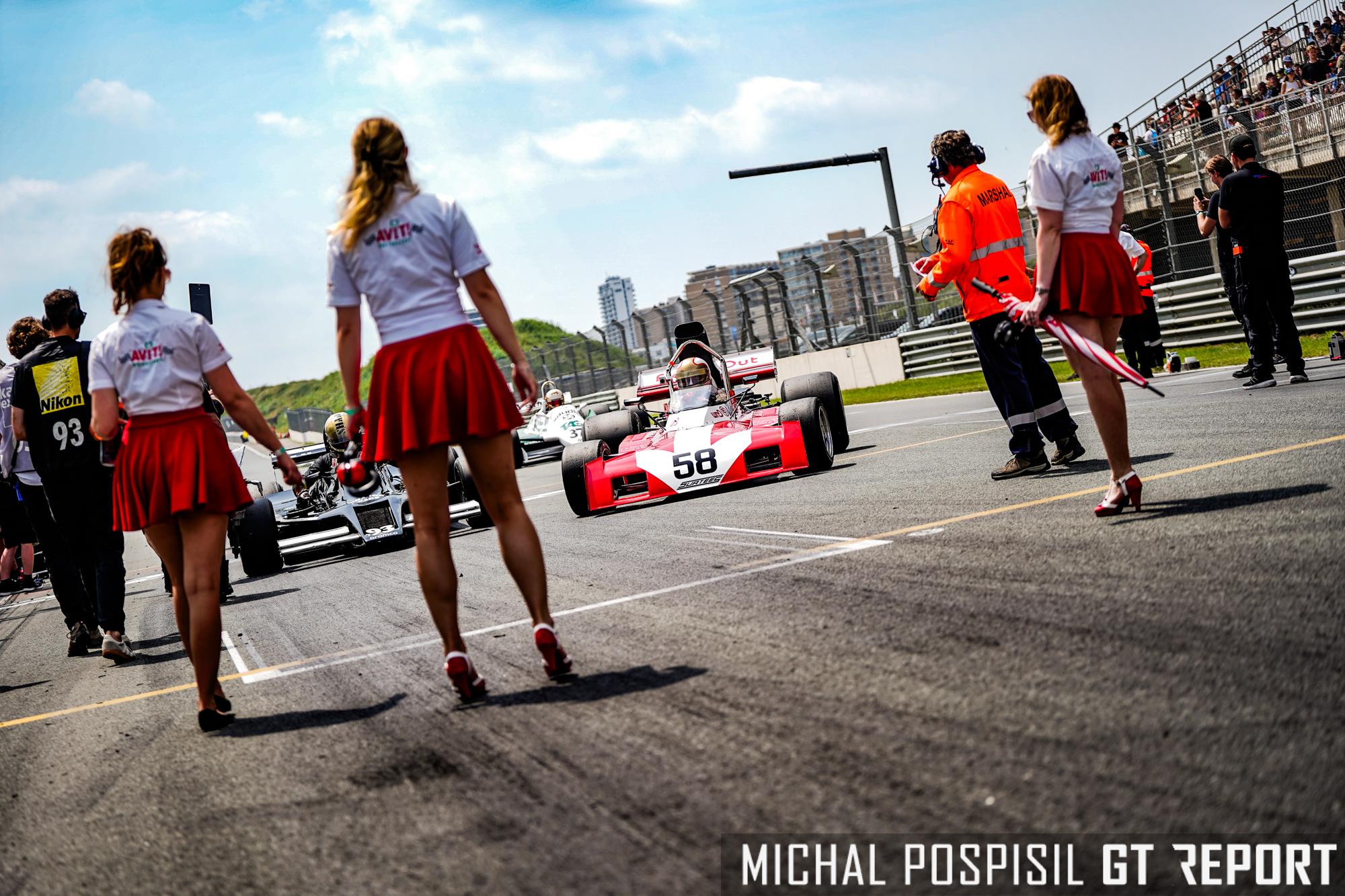
Paddock at Zandvoort Historic GP
Racing Through the Decades
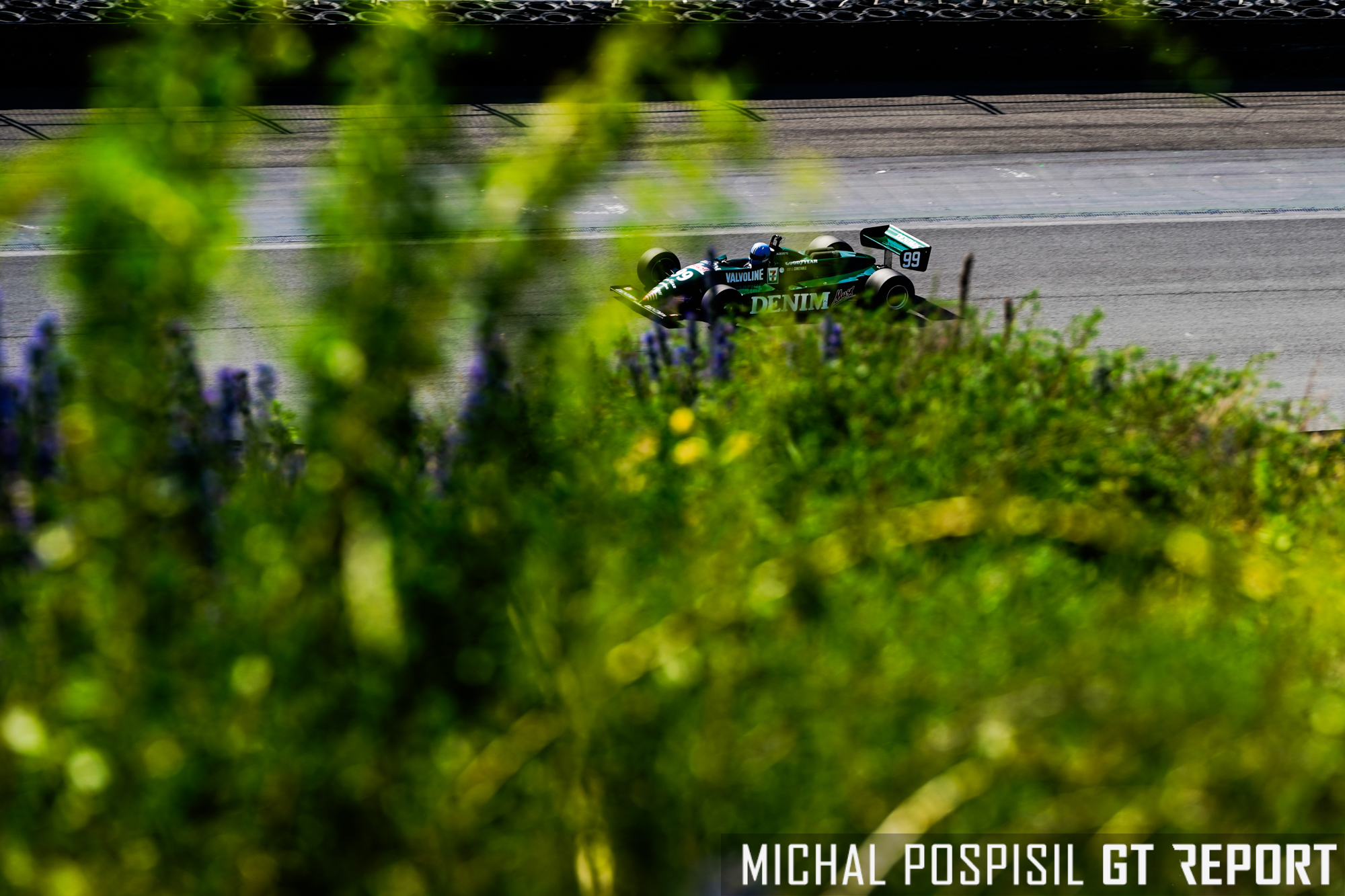
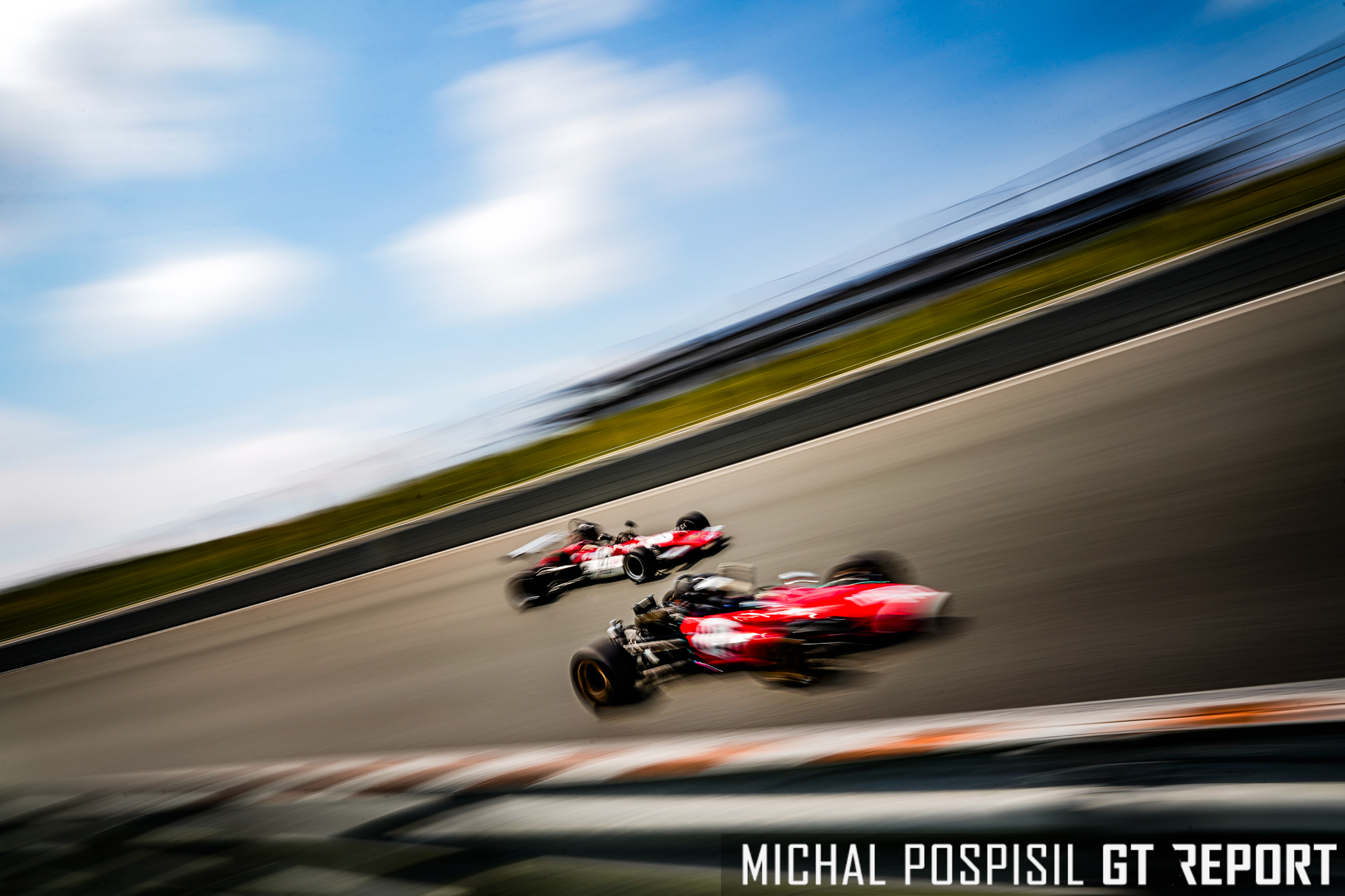
The headline Formula One category delivered a spectacular sight, with a large field of Masters Racing Legends machinery bringing the sound of Cosworth DFV engines back to life around the Dutch dunes. Watching these cars charge through the Arie Luyendyk banking was a reminder of just how dramatic Formula One looked and sounded before the hybrid era.
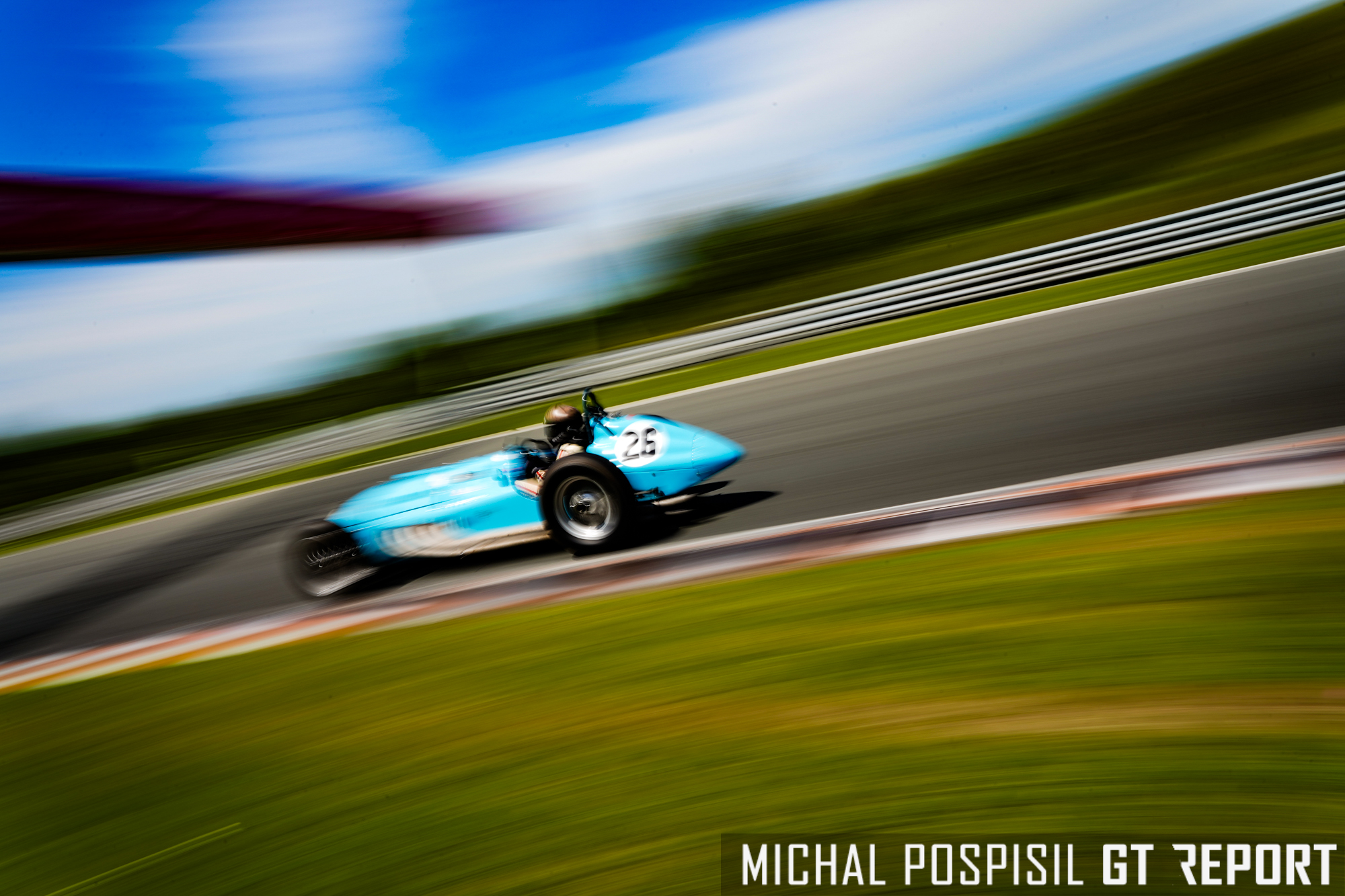
Elsewhere, Formula 2 and Formula 3 Classic Interseries grids showcased the stepping stones that launched generations of racing careers, while historic touring cars provided some of the weekend’s closest wheel-to-wheel action.
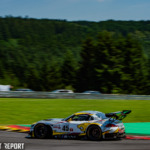
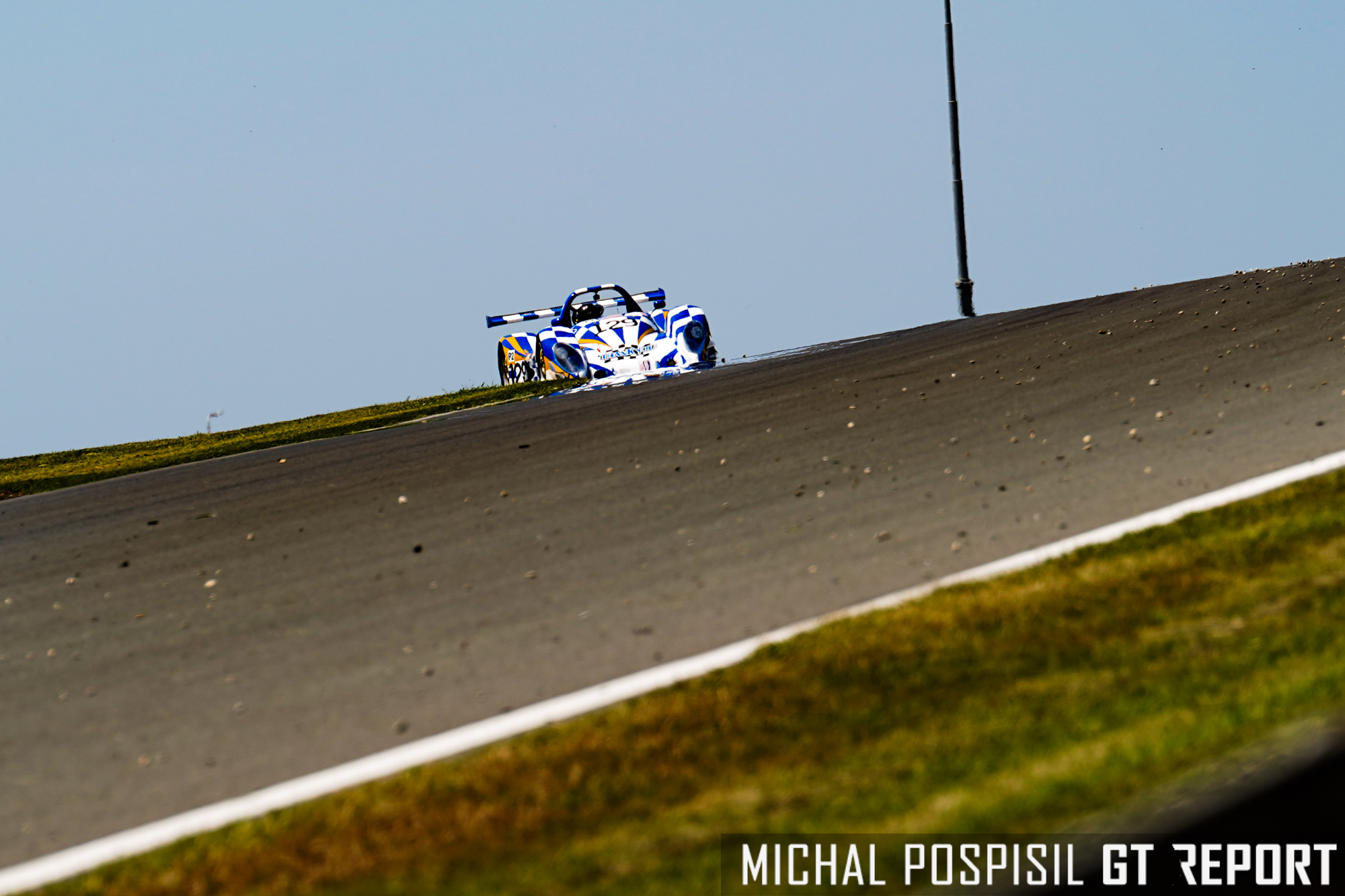
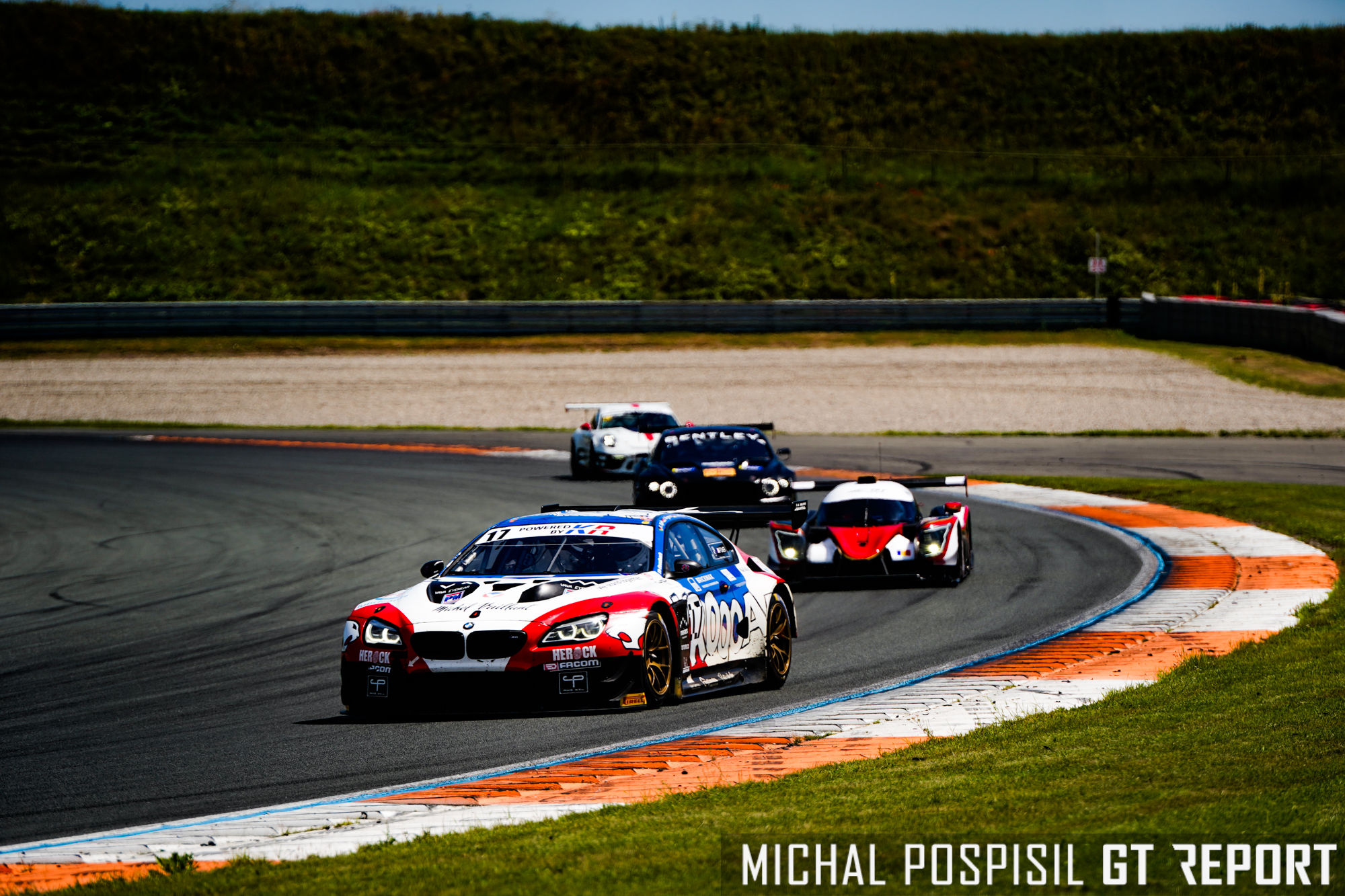
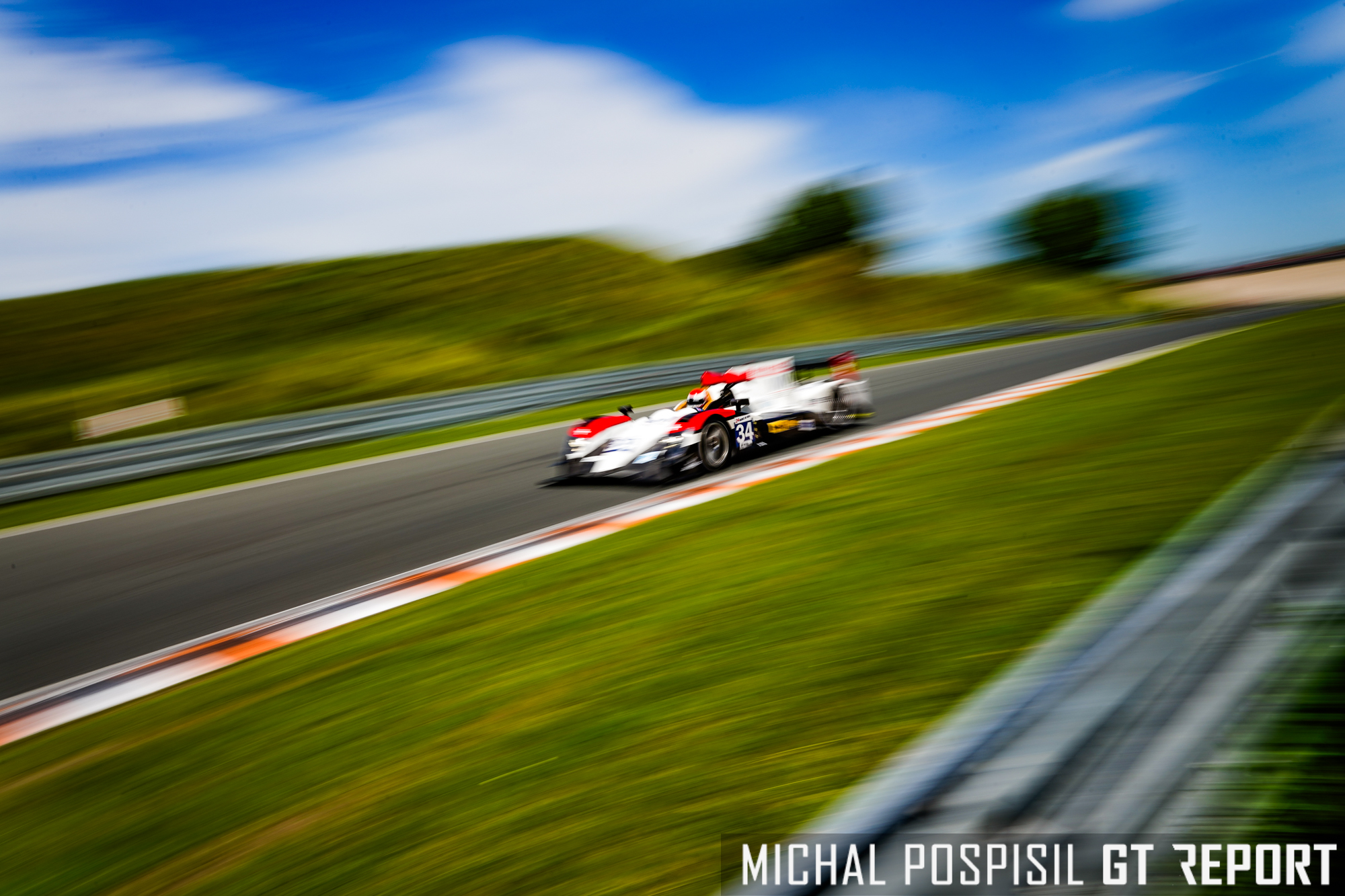
One of the most compelling attractions was undoubtedly the Masters Endurance Legends field. The category brought together prototypes and GT cars from the late 1990s through to the 2010s, creating a rolling museum of modern endurance racing history. Former Le Mans and FIA GT Championship machinery thundered through Zandvoort’s fast corners, their V10s, V12s and naturally aspirated V8s providing a soundtrack that transported spectators straight back to endurance racing’s golden years. Both races were won with relative ease by Matteo Ferrer and Alex Müller in the Chevrolet Corvette DP.
It was this variety that made the event feel special. Few events allow so many different chapters of motorsport history to coexist in the same paddock.
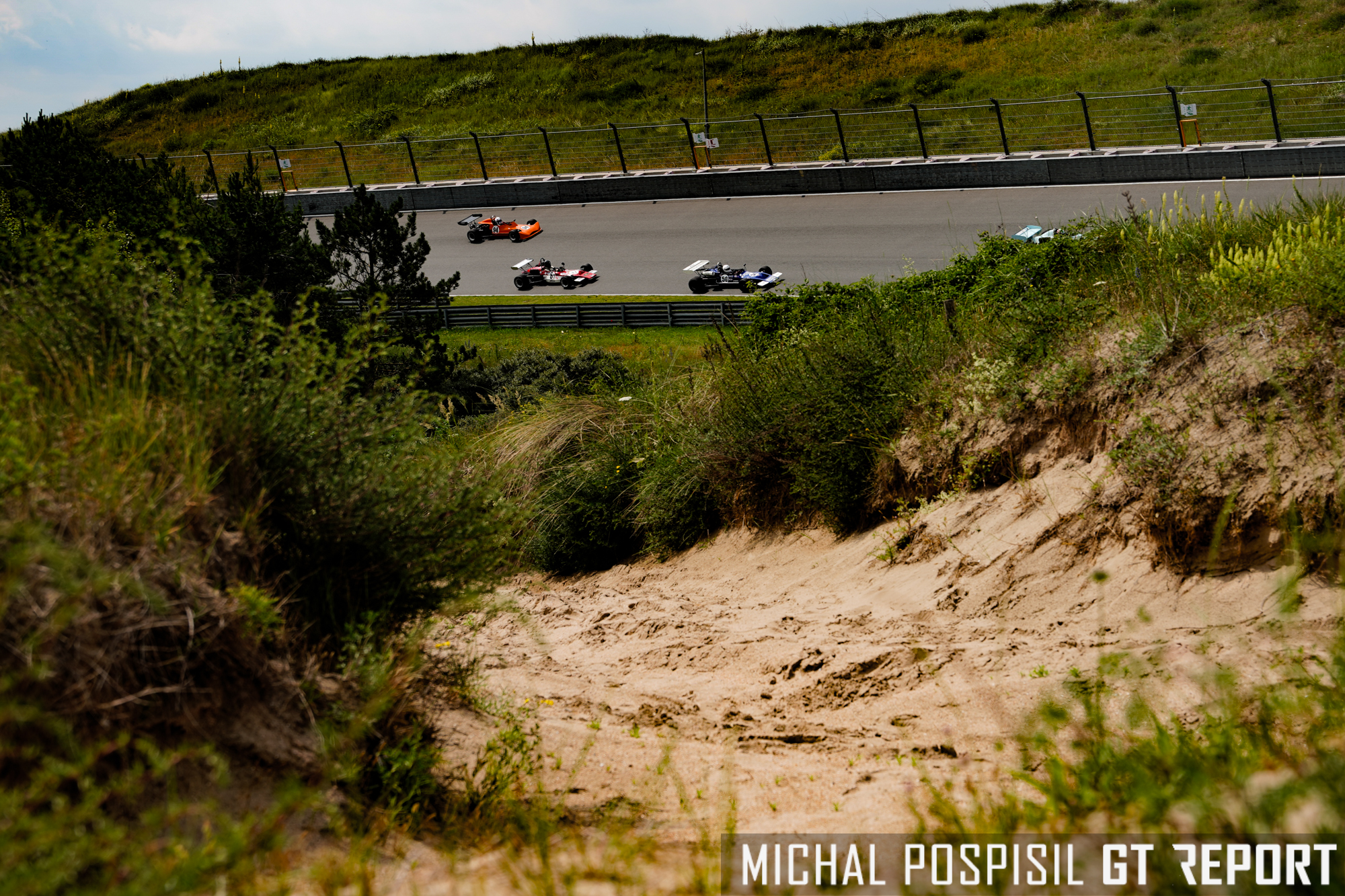
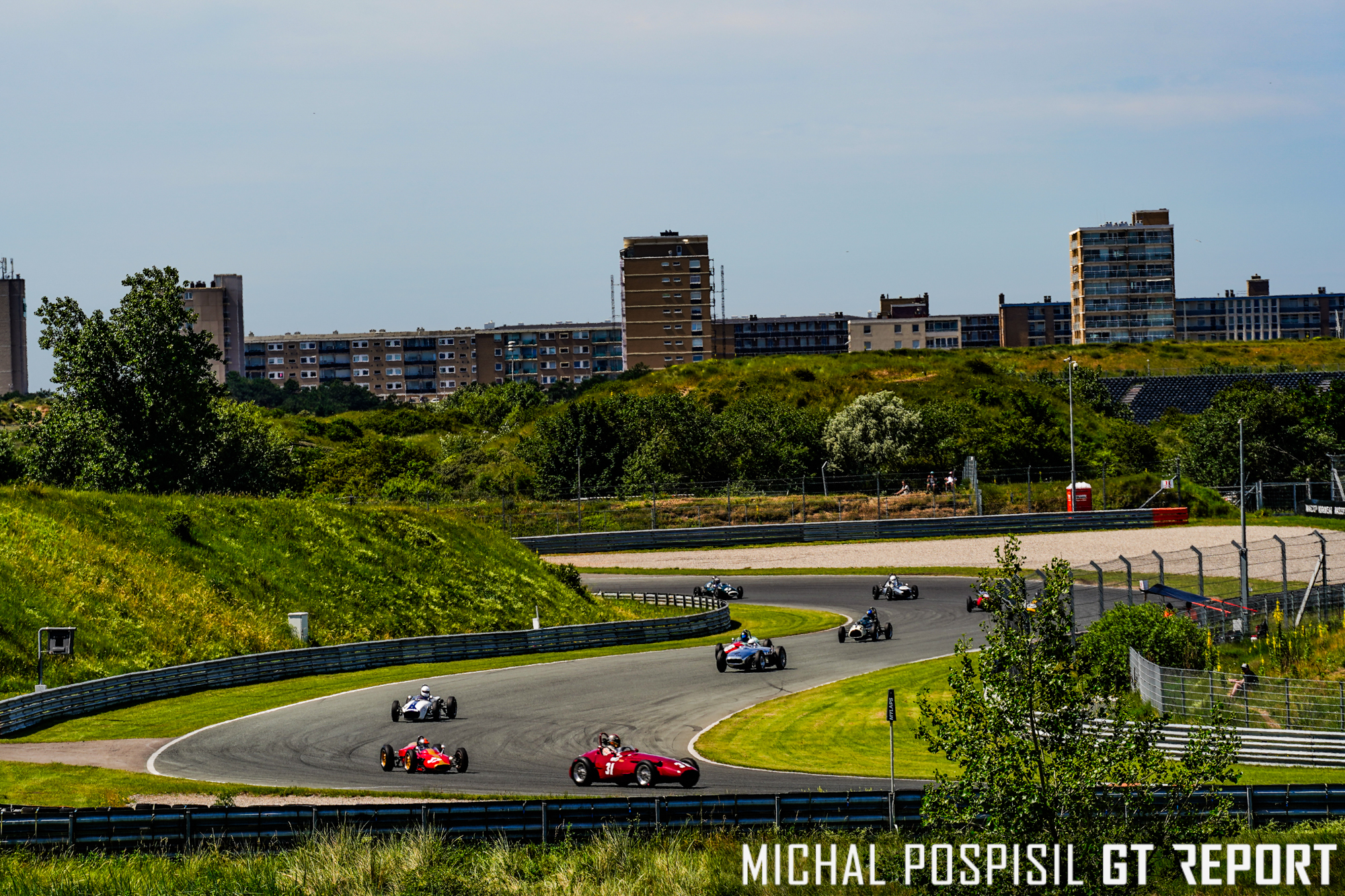
Classic F2 and F3 cars going through Arie Luyendyk banking
The Weekend’s Closest Battle
Among all the machinery and nostalgia, one race had almost everyone talking long after the chequered flag: Sunday’s Gentleman race.
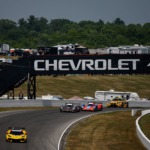
What began as a race expected to spread out quickly turned into a sustained three-way fight between Yelmer Buurman, Nicky Pastorelli and Olivier Hart. With temperatures climbing throughout the afternoon, strategy became as important as outright speed.
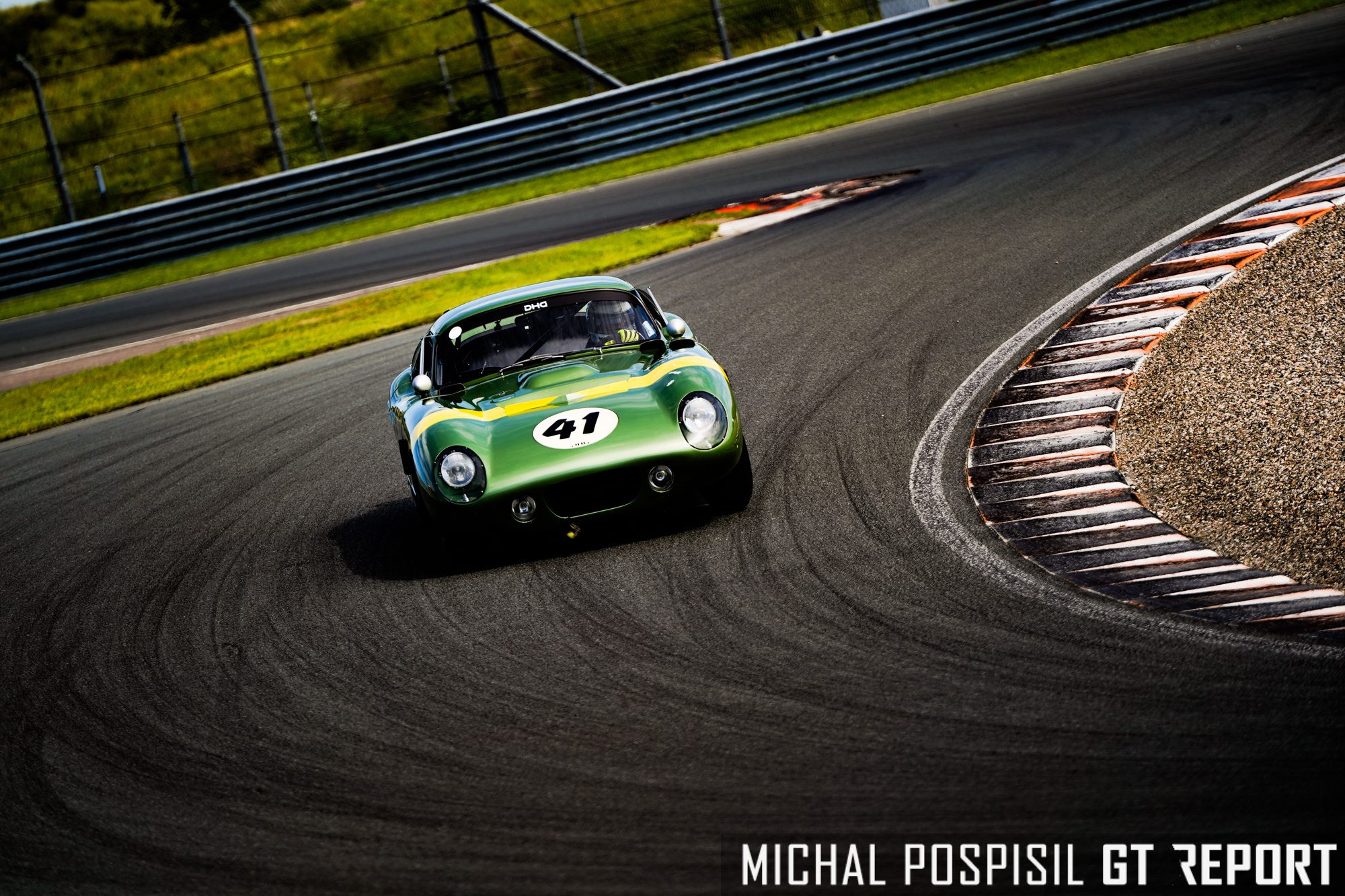
Olivier Hart initially led the field in the Shelby Cobra Daytona Coupé, battling it out with the two Ferraris. When Hart was forced to retire, Yelmer Buurman and Nicky Pastorelli settled the battle between themselves, with Buurman in the 250 LM and Pastorelli in the 250 GTO ’64.
Buurman, who eventually took victory, admitted that managing the car was critical from the very beginning.
“It’s a long race, an hour with these temperatures and these cars,” the Dutchman told GT REPORT. “So it’s quite hard work. Obviously, you have to manage, you cannot push the whole race 100% because of engine, brakes and tyres. So it’s a matter of when to push.”
The Dutch driver described how the race evolved from a straightforward lead into a constantly changing battle.
“When you’re in the lead, you try to save your tyres, save the car for the moments when you really need it. Of course, you try to make a gap first. And then at one point, I had a good fight with Olivier. We went side by side through a couple of corners. In the end, he was in front of me. And we got back into a fight again.”
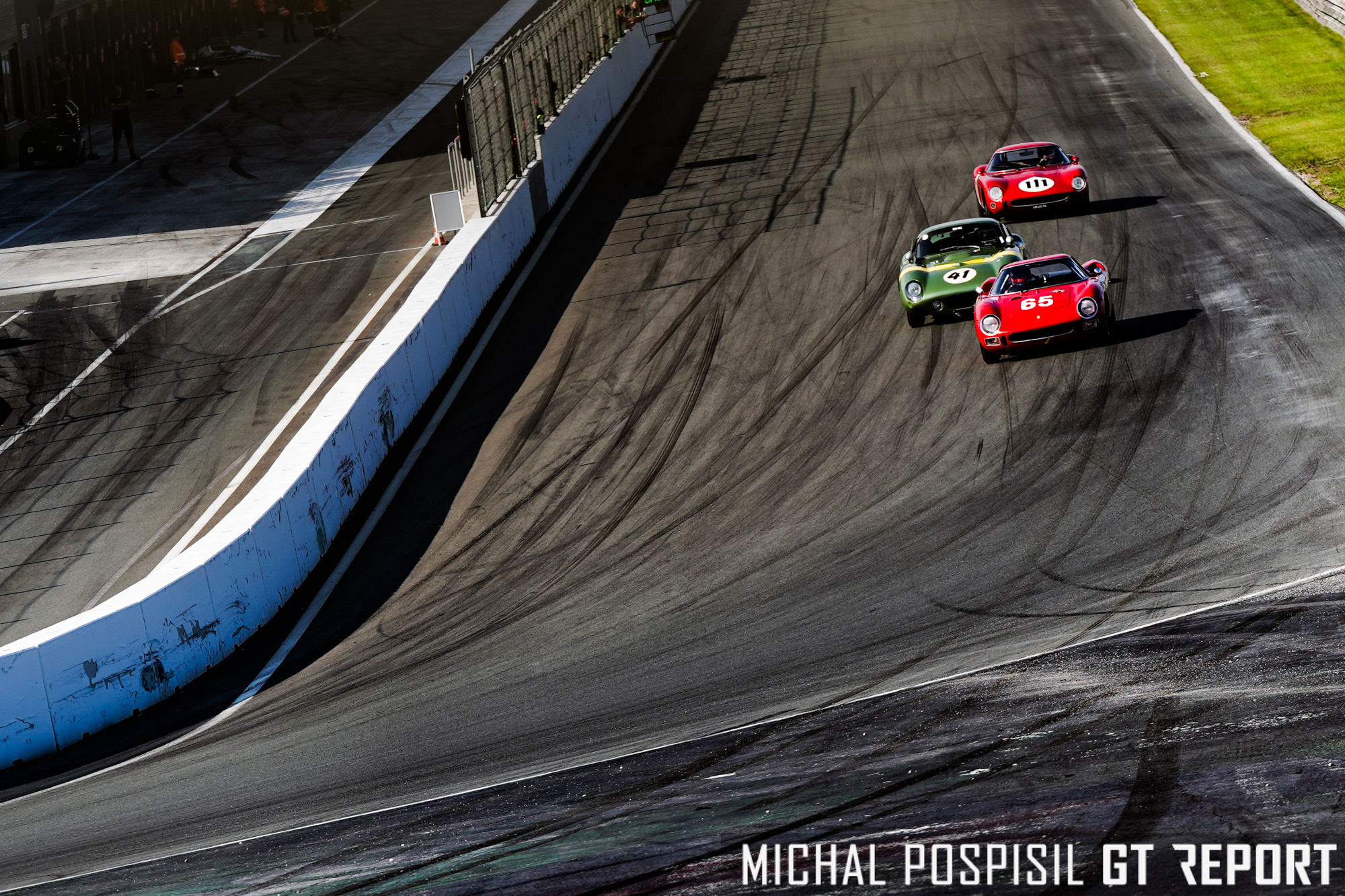
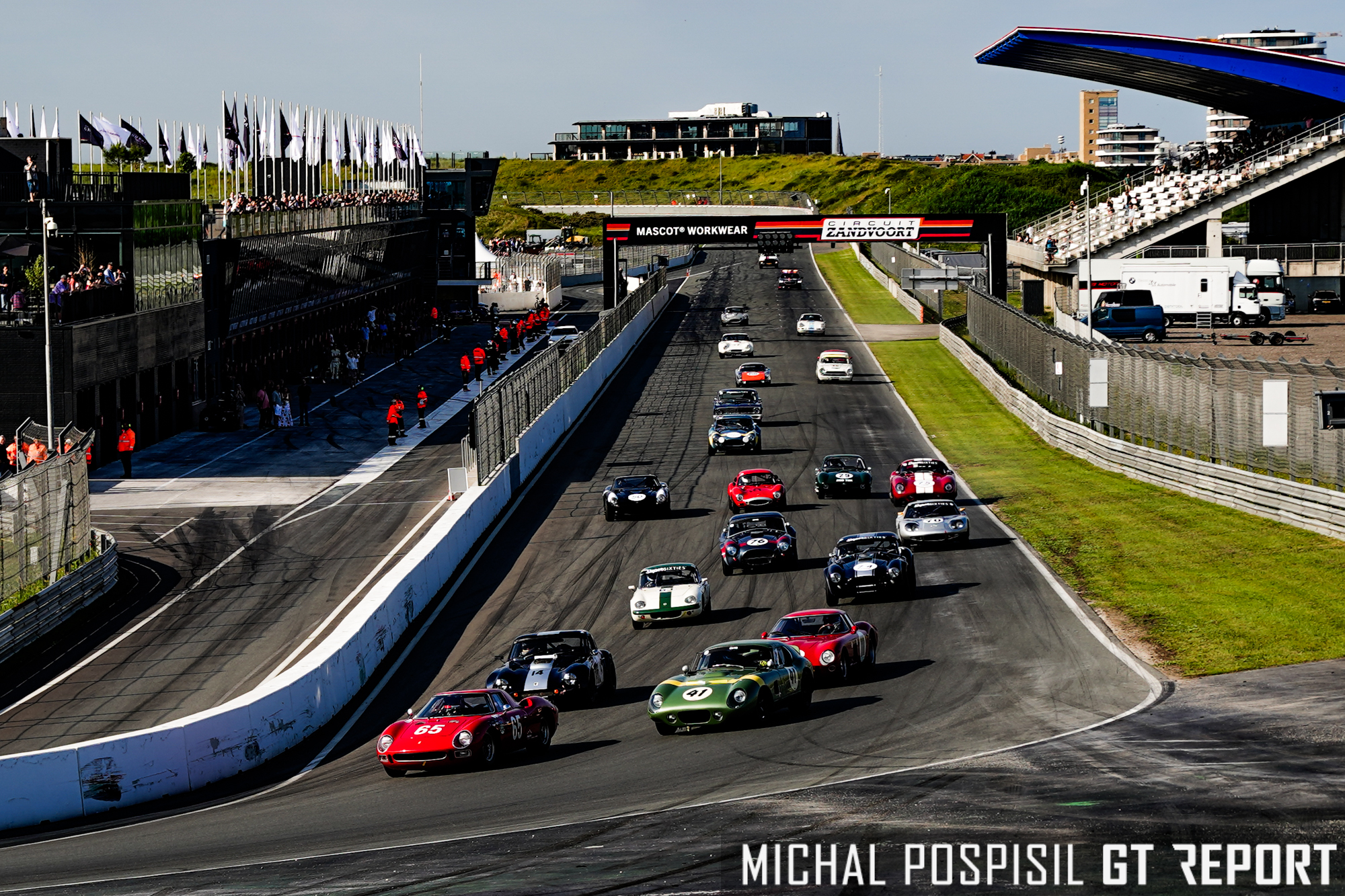
Buurman in Ferrari 250 LM (#65), Hart in Shelby Cobra (#41) and Pastorelli in Ferrari 250 GTO ’64 (#111) in close battle
As the battle intensified, Nicky Pastorelli joined the fight.
“Then Nicky could catch up right behind me. We had a bit of a dive into the Audi S. So he got in front of me as well. Then I took the time to cool the engine, cool the brakes and the tyres. Just before the pit stop window, I pushed again, closed the gap, did the pit stop, did a quick outlap, and then I managed to jump them and got back in front.”
From the outside, it looked exactly as exciting as it felt inside the cockpit. Nicky Pastorelli, who finished second, admitted the race exceeded everyone’s expectations.
“It was a great race,” Pastorelli said. “Much nicer than we expected, because the gaps in qualifying were not really small, so we expected to have everything a bit spread out in the race. But it was very close racing, almost the whole race.”
For much of the opening stint, the three leaders ran nose-to-tail in different types of machinery.
“First part of the race was great, with the three cars together. Three different cars, three very good drivers, three very well prepared cars, which made the race really interesting, I think, also to look from the outside. It was great fun.”
The heat that blanketed Zandvoort throughout the weekend added another layer to the contest. Drivers had to think constantly about tyre temperatures, brake cooling and engine management, making every attack a calculated decision rather than a flat-out sprint.
For Buurman, the victory carried extra meaning because it came at his home circuit.
“On one side, it’s my home track. On the other side, I don’t drive here very often. But when I drive here with the Dutch crowd and friends and family here, that’s obviously very nice. It’s a cool track with a lot of different types of corners, so it’s a nice, fun track to drive.”

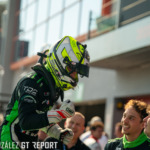
Yelmer Buurman victorious at Zandvoort Historic GP
A Family Story in the Paddock
While the Gentleman race provided one of the weekend’s standout sporting moments, another story was unfolding elsewhere in the paddock.
Shirley van der Lof-Buurman arrived at Zandvoort not only as a competitor, but as part of one of Dutch motorsport’s best-known racing families. Granddaughter of former Formula One driver Dries van der Lof, daughter of Dutch racer Alexander van der Lof, and now racing alongside younger family members as well as her husband Yelmer Buurman, she represents three generations of a family whose connection to motorsport stretches back more than seventy years.
Driving a BMW E30 in the historic touring car field, Shirley enjoyed a strong weekend of her own, finishing second in class while her father Alexander claimed third overall in Saturday’s opening race in a faster BMW M3. Her nephew was also racing, turning the weekend into a genuine family gathering centred around competition.
“We’re driving with four cars, actually,” the former Formula Three racer said. “My brother-in-law, my nephew, my father and me. That’s very nice.”
The E30 itself has become a favourite family project.
“We have had it now for two years, I think. This is the first red one we bought. And then we bought another red one, so we like the red BMWs.”
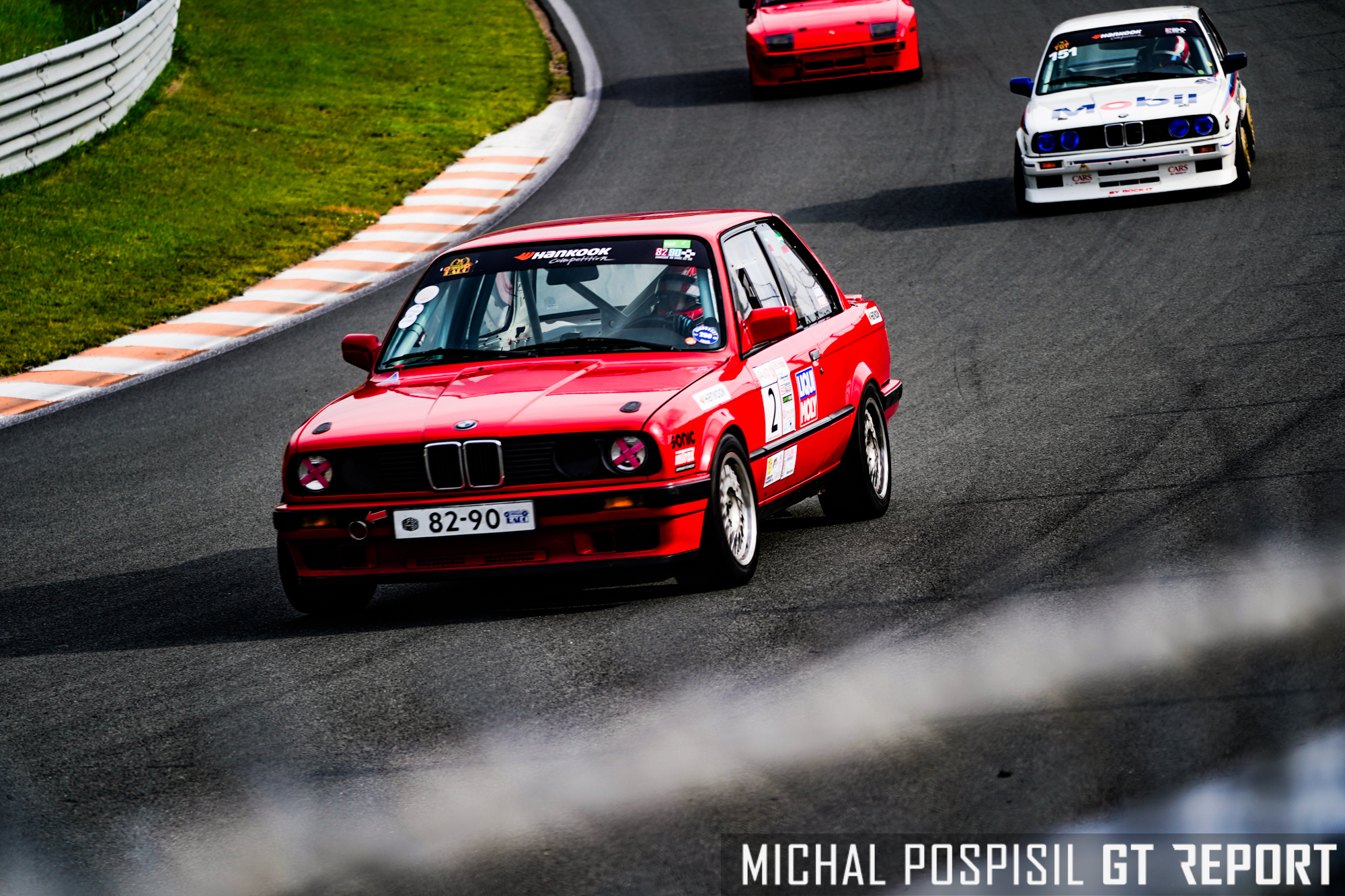
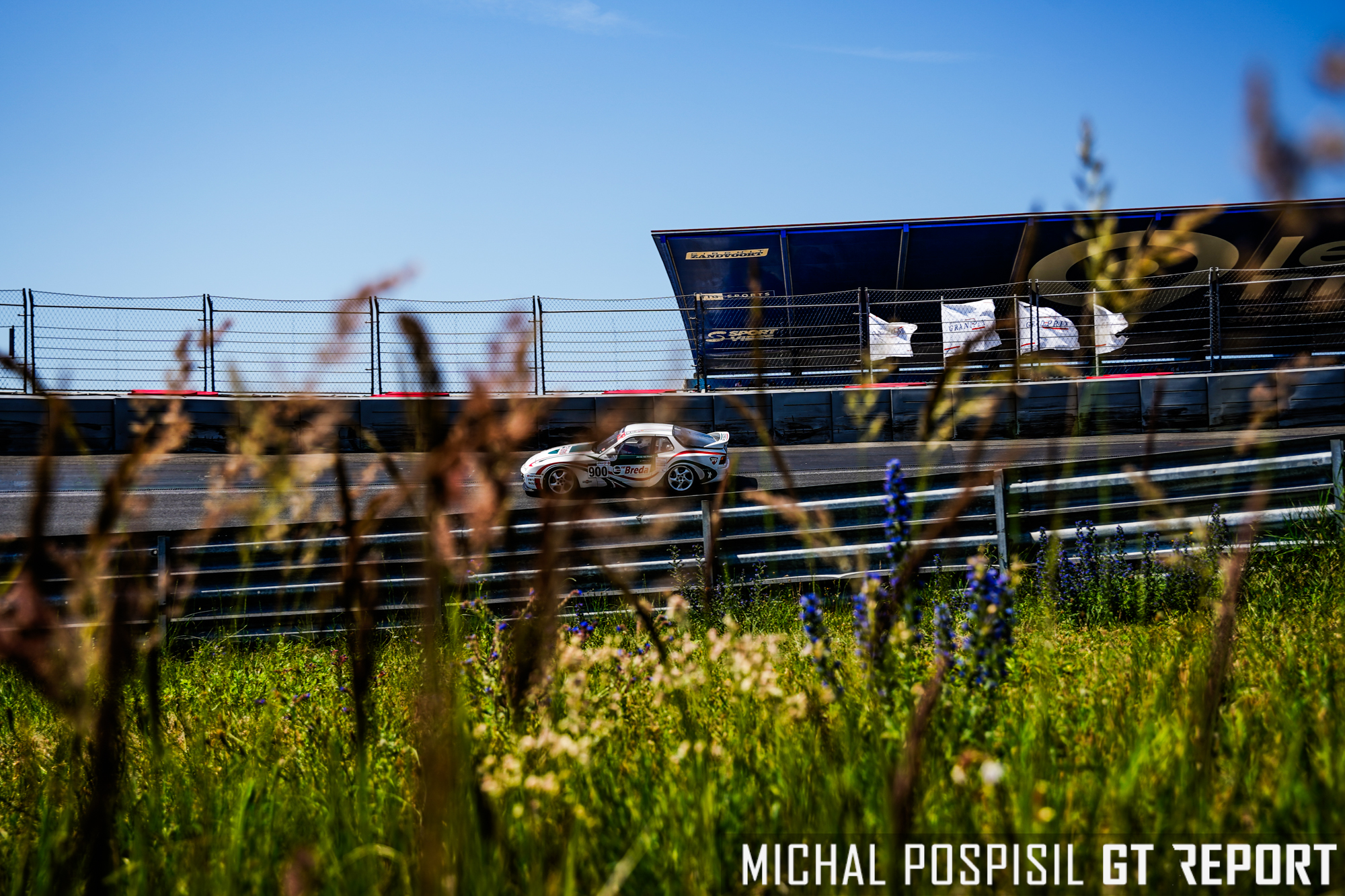
Shirley van der Lof-Buurman driving her BMW E30
What stood out most during the conversation was how naturally motorsport has flowed through the generations of the Van der Lof family.
“My grandfather was a Formula One driver in the 1950s. I was not born yet. But when I grew up, he was always driving Ferraris. So we called him ‘Grandpa Ferrari’.”
That childhood fascination eventually became a racing career of her own.
“He bought me a little car and I was always driving it. That’s how it slowly started. I have three sisters and they don’t like cars at all. So, I was the only one who really enjoyed it. And now I have two daughters myself so I bring them to the circuit as well. I think one of them will follow in my footsteps, there is always the one,” Shirley says with a smile and hope.
Women in Historic Motorsport
Shirley also offered an interesting perspective on how opportunities for women in racing have changed since she began competing.
“When I started in go-karting, I think there were two girls. Also in racing, it was really rare. I did Formula Three in 2008–2009. There were only two women then.”
Today, she believes the situation is improving.
“It’s really nice that now there is a lot more attention for women in motorsport. They also get the programmes, they get help. I think it’s very much needed. Because if there are more women, there is also a bigger chance that they will get a higher level.”
Her view on historic racing was equally refreshing.
“Historic racing is so nice for fun. You can really enjoy it. You don’t have the pressure of the old days in Formula Three. You always feel the pressure. You need to be the best. You can just enjoy with your family.”
That sentiment captured something fundamental about the Historic Grand Prix itself. Unlike many modern championships, the event felt less like a closed professional paddock and more like a community brought together by a shared love of racing.
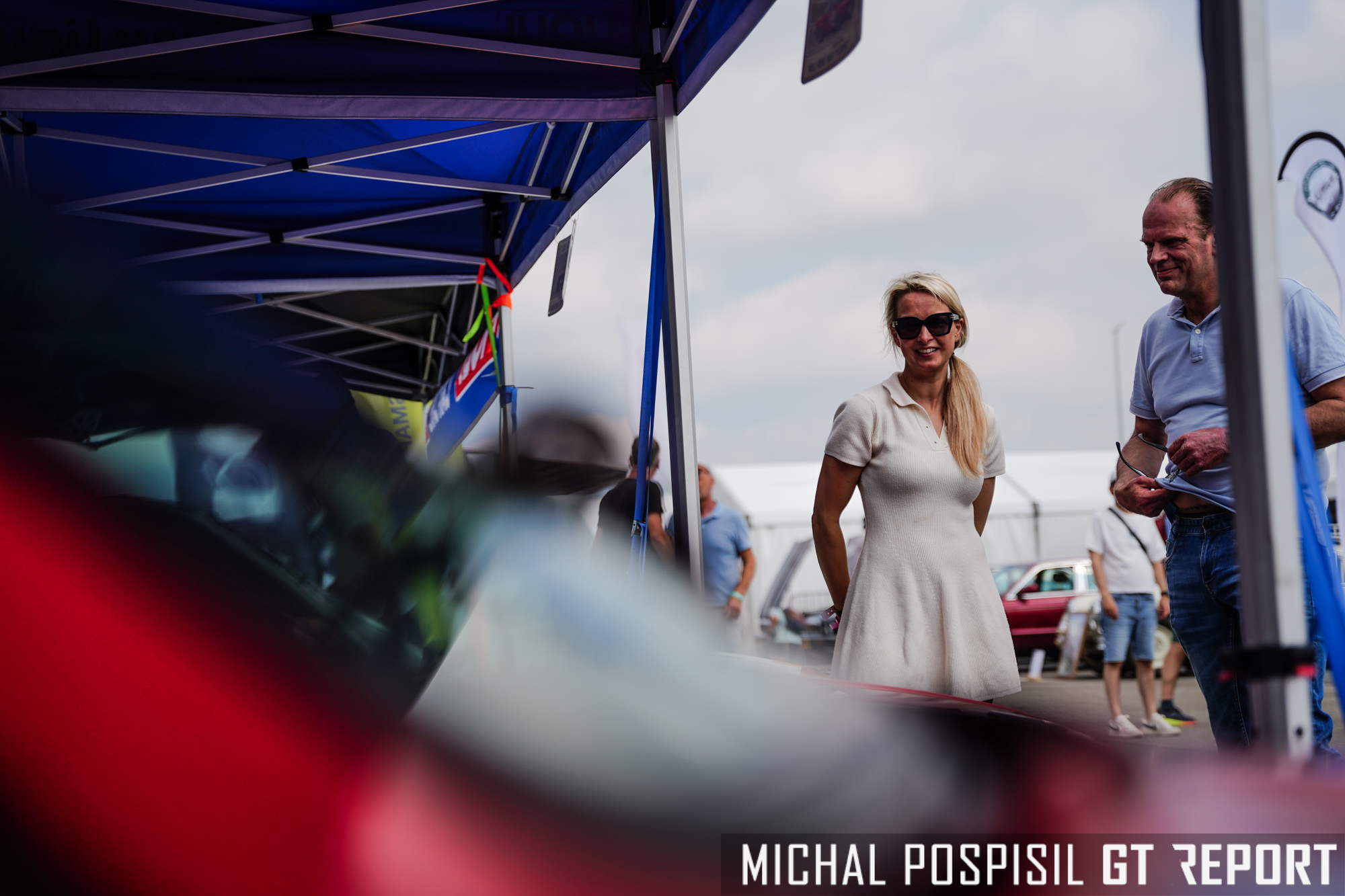
Van der Lof-Buurman in conversation with her fans
Why Zandvoort Feels Different
The accessibility of the event was a theme repeated by almost everyone in the paddock. Fans could stand beside legendary machinery, talk directly to drivers and watch mechanics preparing cars that, in many cases, carry genuine international racing history.
Shirley perhaps summed it up best.
“I think it’s the best weekend of the year in the Netherlands for racing. Because a lot of people can come everywhere. They can see the cars, they can see the engines. Everyone is very enthusiastic. Everyone is talking to each other about the cars. It’s really nice. It’s a nice feeling. It’s for people. It’s really open.”
Even experienced professionals appreciate that atmosphere. Yelmer Buurman reflected on how historic events become reunions as much as race meetings.
“The whole racing world is a small world,” Buurman said. “So you always run into people that you know from twenty years ago until two years ago. So it’s always a lot of fun.”
Pastorelli, who now competes extensively in historic racing after a career that included IndyCar and top-level GT competition, explained why these events continue to attract so many accomplished drivers.
“Everything, I love everything about it, because it’s just pure racing,” Pastorelli enthusiastically told GT REPORT. “There’s no politics, there’s no BoP which I call bullshit, honestly. And the cars, obviously, are great to drive. The history, the feeling, the sound, the smell. Racing historics is my job now.”
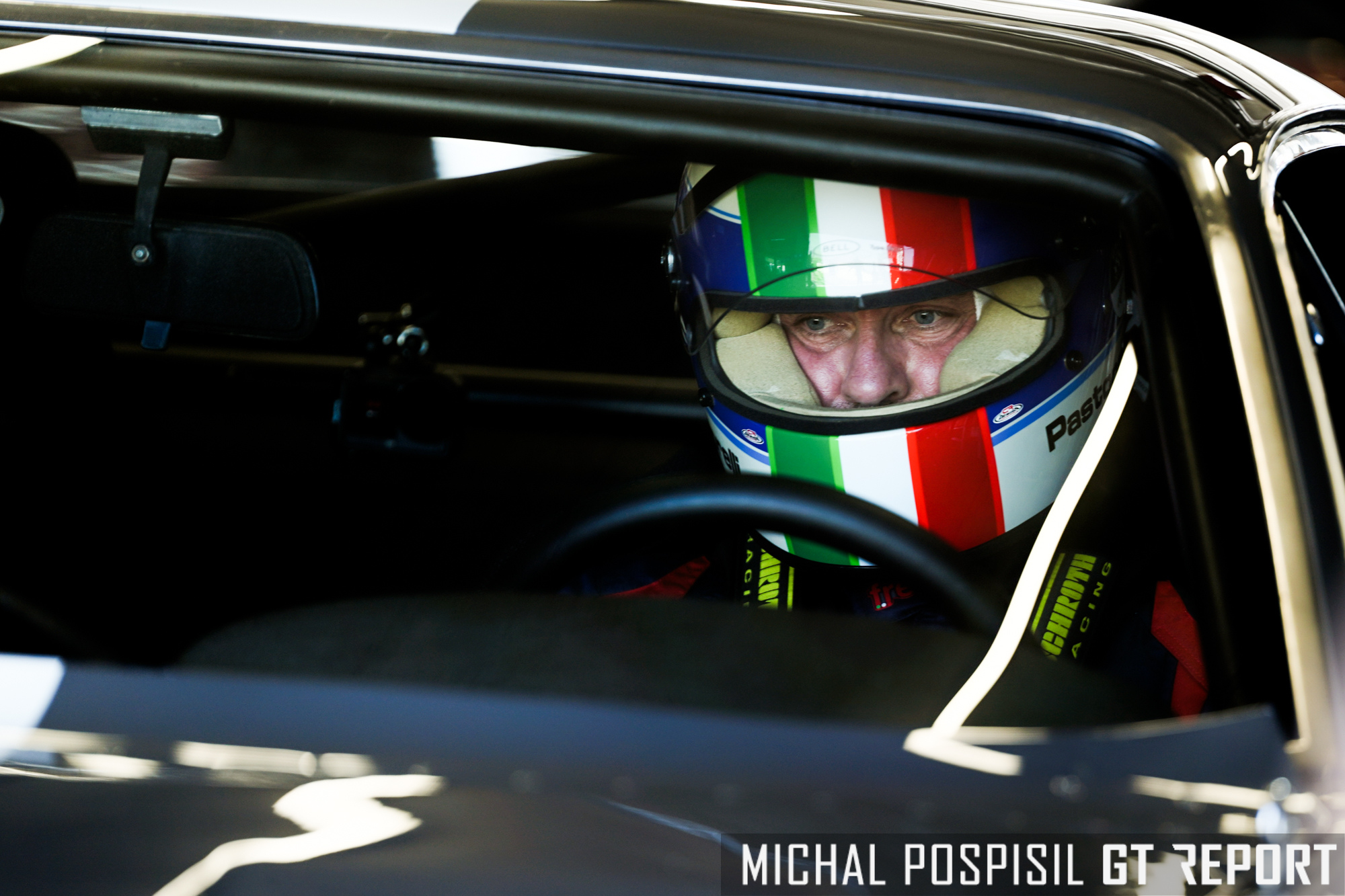
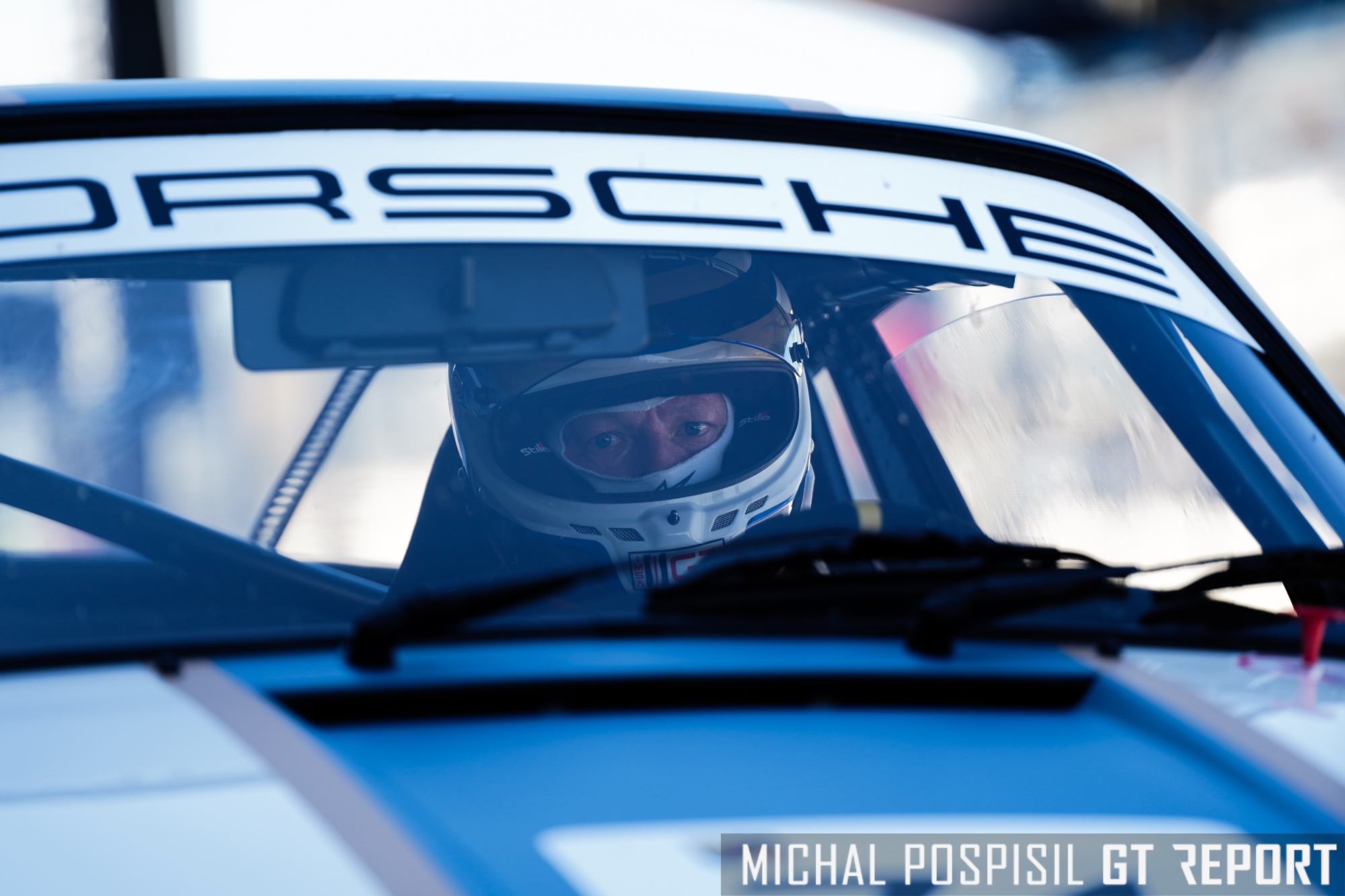
Nicky Pastorelli focusing before the race
More Than a Historic Race Meeting
As the sun dropped lower over the dunes on Sunday evening, the paddock slowly began to quieten. Mechanics packed away tools, drivers posed for final photographs and spectators lingered beside cars they might never see together again.
What makes Historic GP Zandvoort special is not simply the quality of the machinery. It is the combination of world-class racing, a spectacular seaside setting and a paddock where generations of drivers, families and fans share the same passion.
Over one hot June weekend, with wildflowers glowing around the circuit and historic engines echoing across the North Sea dunes, Zandvoort once again proved that the past of motorsport is not something kept in a museum. It is still very much alive, loud and racing.
Photos by Michal Pospisil



























Love what we do? Support GT REPORT with a donation and fuel our next trip to the racetrack.
Even €5 makes a difference!