At the 83rd Goodwood Members’ Meeting, Yelmer Buurman and Alexander van der Lof brought two extraordinary Ferraris back to the place they were built for: the race track. One was the Ferrari 250 LM, a V12-powered Le Mans legend that still feels like a pure racing car. The other was Van der Lof’s Ferrari 250 Monza, a rare 1954 sports racer with a deeply personal family story behind it. “My father drove the car already in 1955,” Van der Lof recalled, turning Goodwood into more than a historic racing weekend. It became a living link between Ferrari’s past, one family’s memories and the raw emotion that still makes the Members’ Meeting one of motorsport’s most authentic experiences.
The paddocks of the Goodwood Members’ Meeting are unlike anywhere else in motorsport. While modern racing often feels increasingly polished and corporate, Goodwood remains rooted in the spirit of competition’s golden age. Mechanics work in period clothing, spectators wander among priceless machinery, and the sound of naturally aspirated engines echoes through the Sussex countryside.
For Buurman, the weekend was also a family affair. He is married to Van der Lof’s daughter, Shirley van der Lof, herself a racing driver, adding another personal thread to a story already rich with Ferrari history.
From modern GT racing to Ferrari history
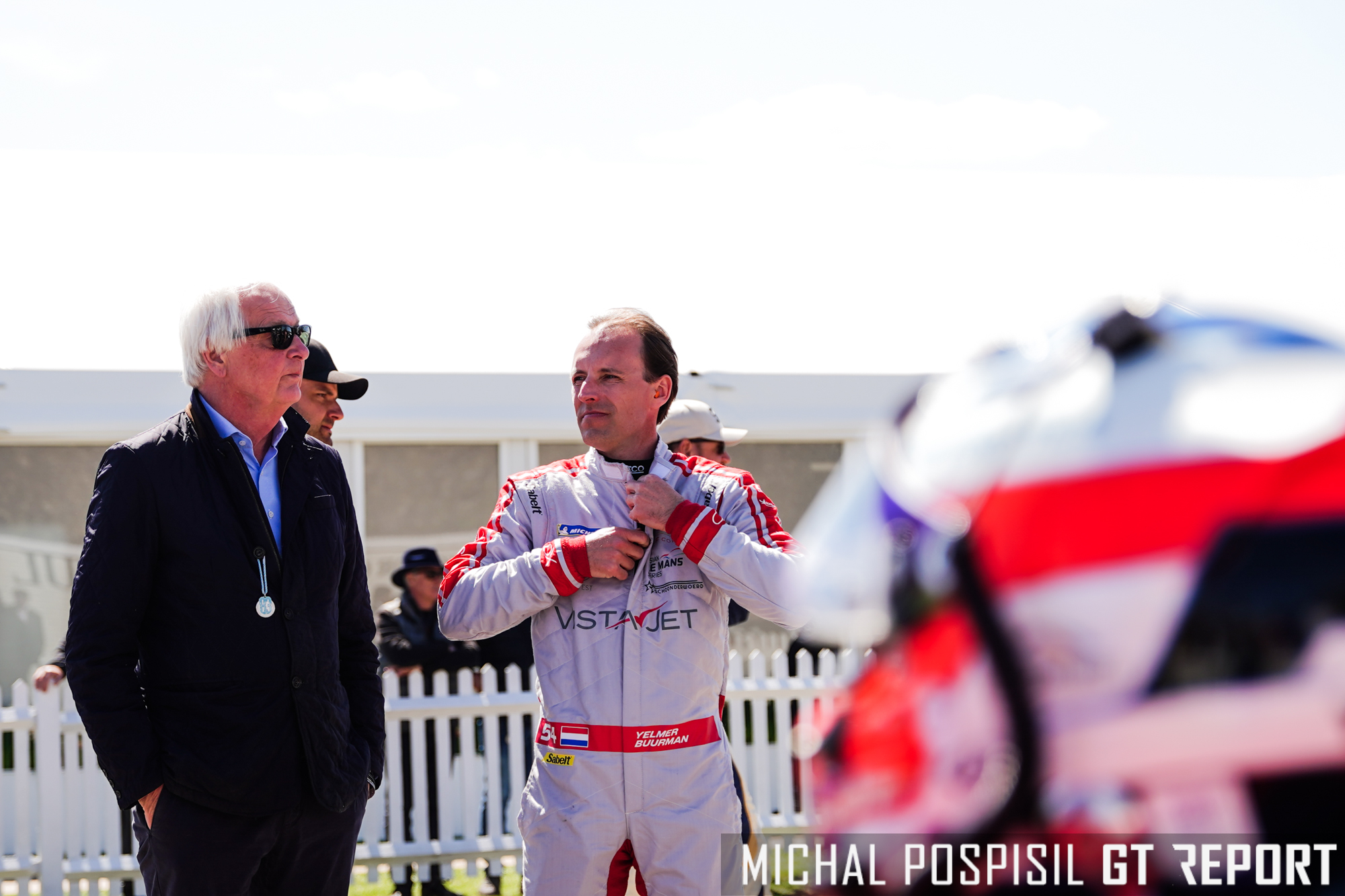
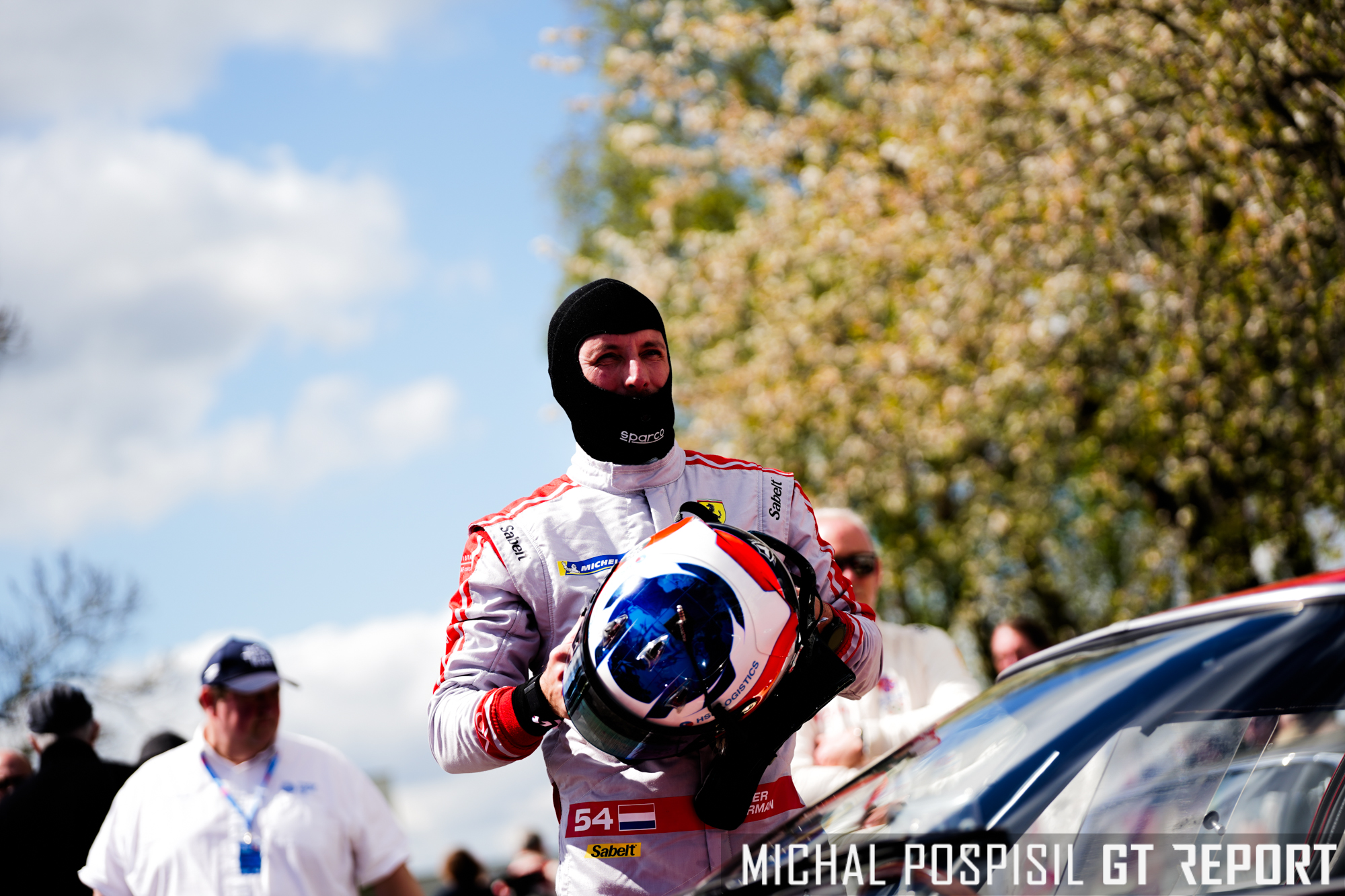
Yelmer Buurman and his father-in-law Alexander van der Lof
Before stepping into one of Ferrari’s most celebrated historic racers at Goodwood, Yelmer Buurman had already built an impressive reputation in modern GT and endurance racing. The Dutchman has raced in GT World Challenge Europe, ADAC GT Masters, the Nürburgring Langstrecken-Serie, the FIA World Endurance Championship and the European Le Mans Series, with major successes including the 2018 Blancpain GT Series Endurance Cup title, Nürburgring 24 Hours victories and a runner-up finish in the 2020 WEC LMP2 standings.
Buurman also brought a valuable modern perspective to the event. Earlier this year, he competed in the Asian Le Mans Series at Dubai in a Ferrari GT car, describing it as a strong and enjoyable one-off outing despite fierce manufacturer competition. Looking ahead, he hopes to add several International GT Open appearances and other modern GT races to his schedule, maintaining a connection to contemporary endurance racing alongside his historic racing commitments.
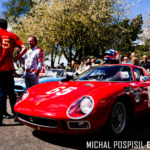
Among the hundreds of remarkable cars that gathered at Goodwood, two Ferraris stood out for very different reasons. One was a Ferrari 250 Monza, a rare open-cockpit sports racer carrying decades of family history. The other was the legendary Ferrari 250 LM, the last Ferrari to win Le Mans outright until the marque’s recent return to the top step of endurance racing.
Separated by more than a decade of development, these two machines represented different chapters of Ferrari’s racing evolution. Yet both arrived at Goodwood to fulfil the same purpose they were built for decades ago: to race.
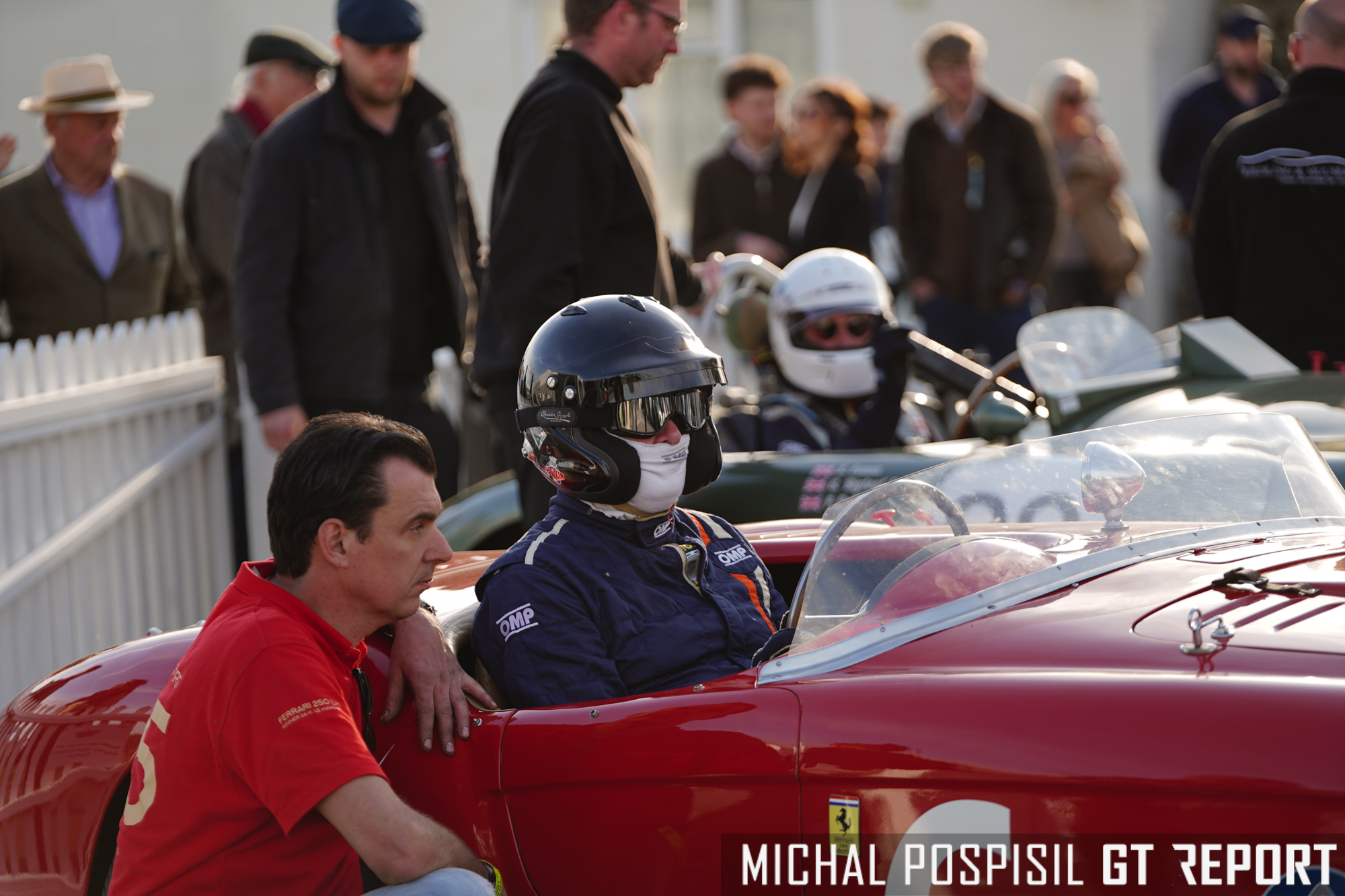
Ferrari 250 Monza: A family story dating back to 1955
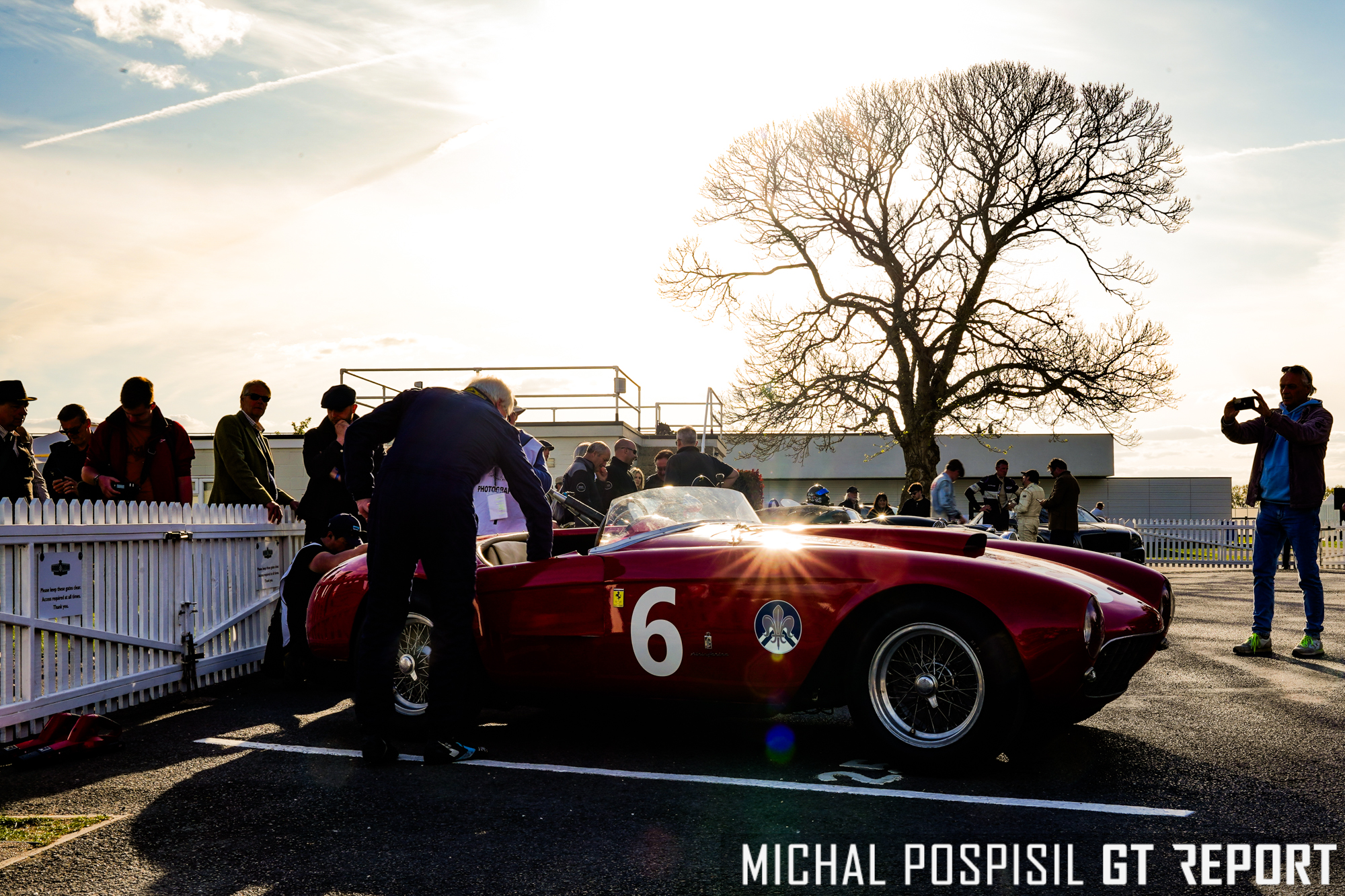
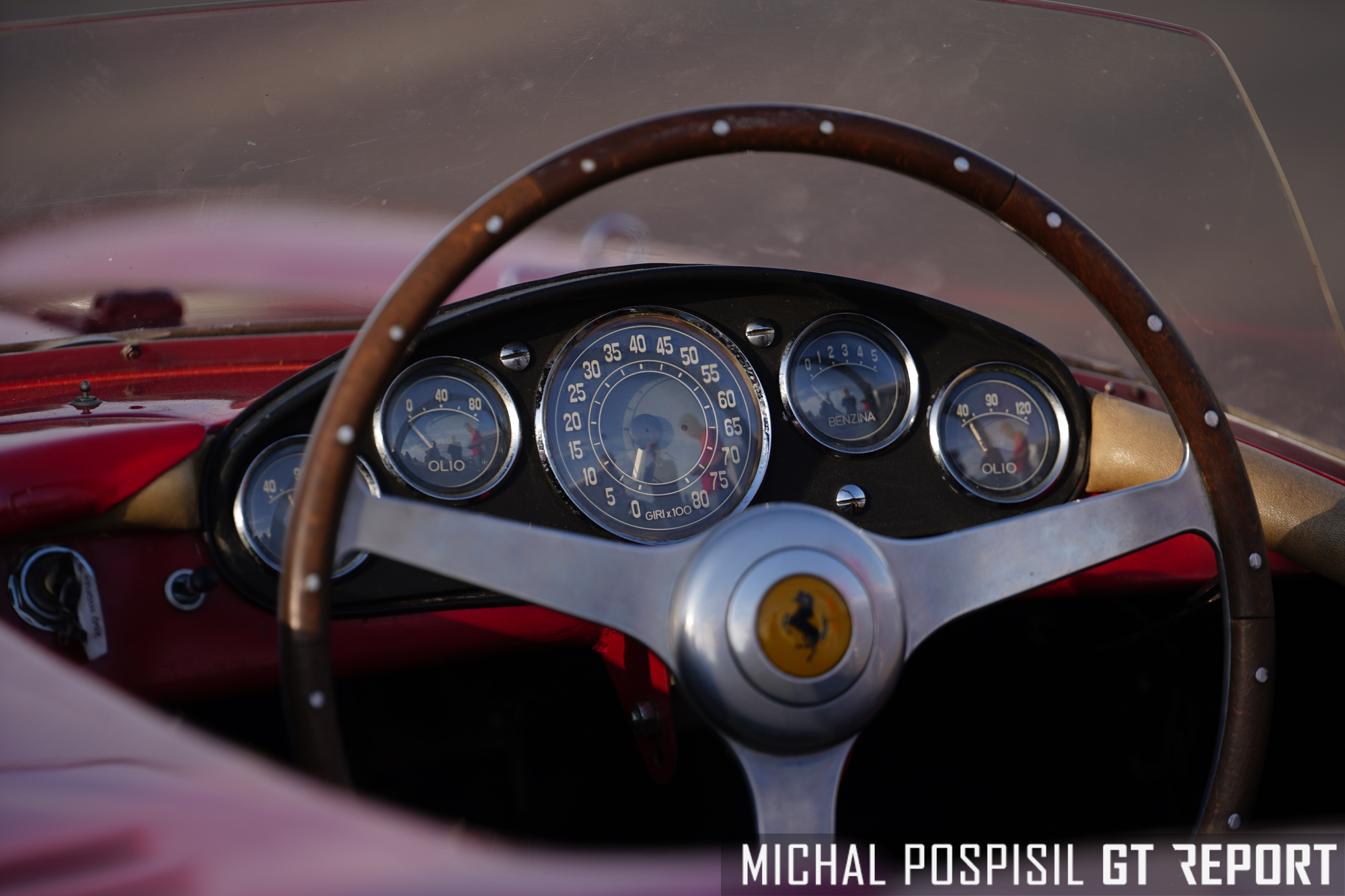
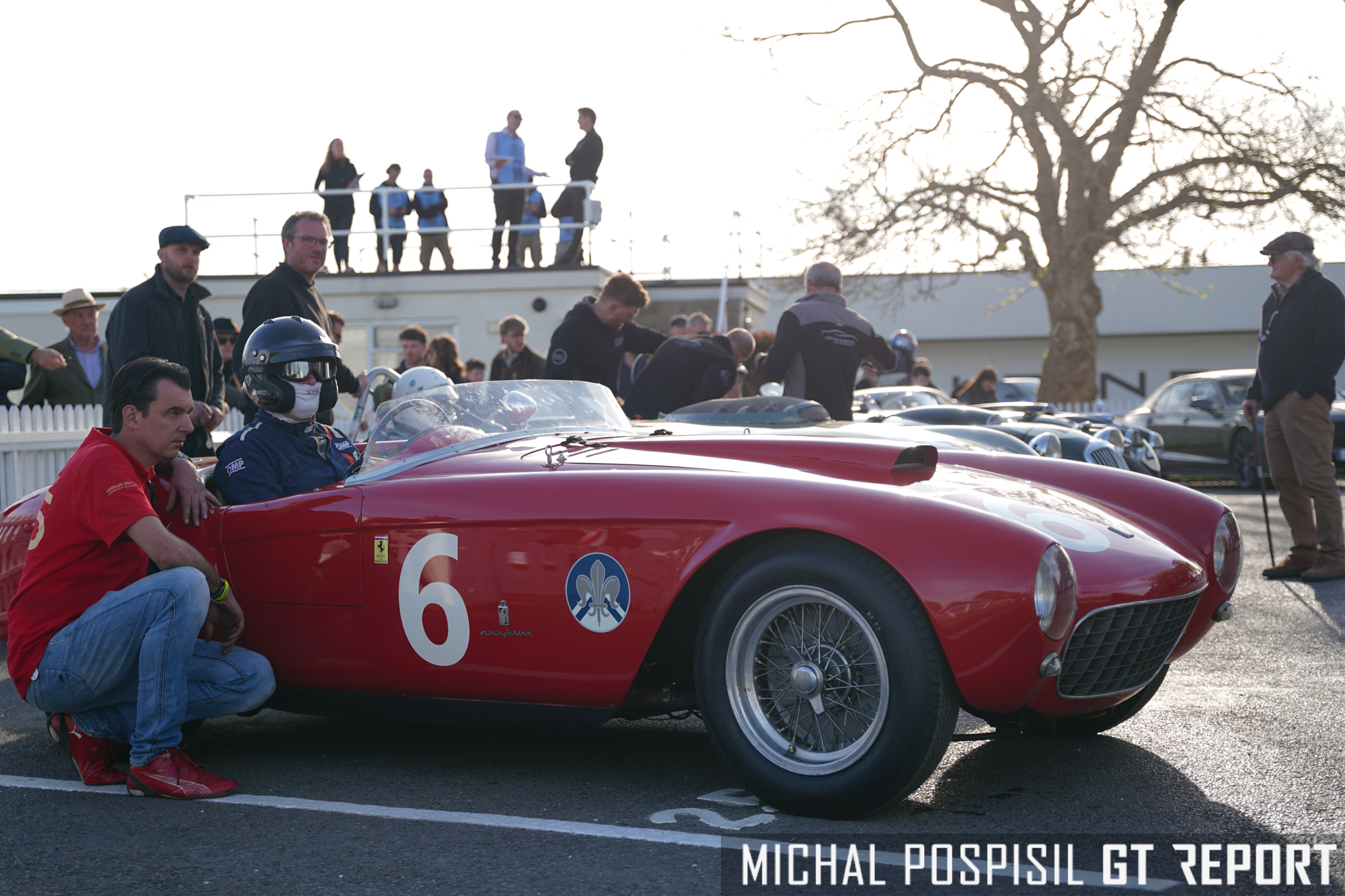
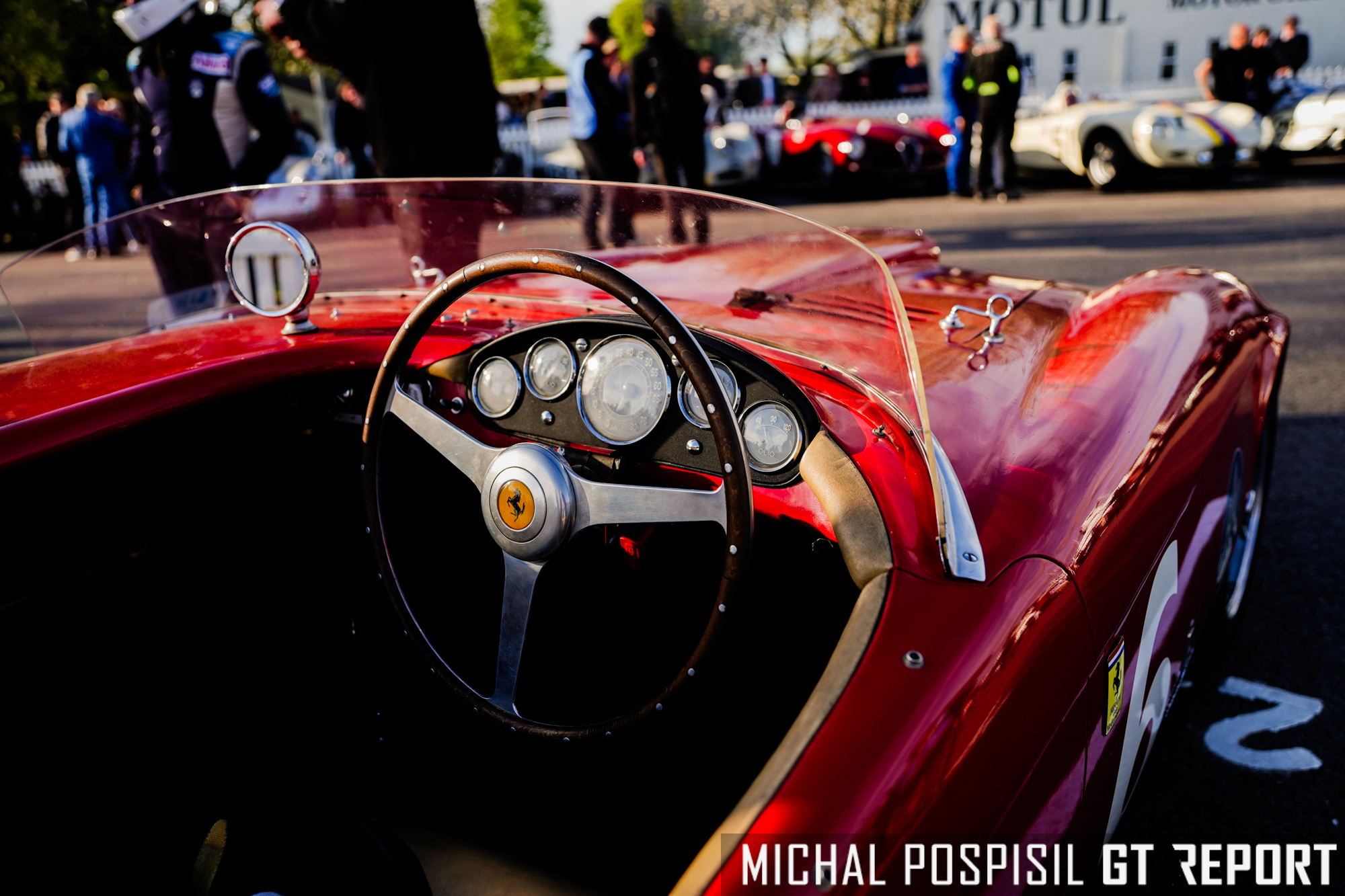
Ferrari 250 Monza at 83rd Goodwood Members Meeting
Few historic racing cars can tell a story as personal as the Ferrari 250 Monza driven by Alexander van der Lof.
Built in 1954 and one of only four V12-powered Ferrari 250 Monzas ever produced, the car occupies a special place in Maranello’s early sports-racing history. Combining Gioacchino Colombo’s glorious V12 engine with lightweight sports-car construction, the Monza helped establish Ferrari’s reputation during a formative period for the company.
For Van der Lof, however, the significance of the car extends far beyond its rarity.
“My father drove the car already in 1955,” he recalled in conversation with GT REPORT. “He was then given the opportunity. He didn’t own the car, but he was a very famous and good racing driver.”
Alexander’s father, André ‘Dries’ van der Lof was the first driver from the Netherlands to compete in a World Championship Grand Prix race. He participated in the 1952 Dutch Grand Prix.
The stories his father shared about racing the Ferrari remained vivid throughout his life. Decades later, those memories became something much more tangible.
“Finally he was able to acquire the car in 1978. So it’s already for a long time in the family.”
Unlike many historically significant cars that spend their lives hidden away in private collections, this Ferrari has remained cherished and preserved. Van der Lof revealed that after participating in events such as the Mille Miglia in the 1980s, the Monza spent many years in his museum before receiving an invitation to Goodwood.
“We immediately started to prepare the car,” he explained. “It still has the original engine. The engine has been rebuilt in the 70s, so it’s really all original.”
That originality makes the car particularly special. In a world where many historic racing machines have evolved through decades of modifications and rebuilds, the Monza remains remarkably close to the machine that first raced more than seventy years ago.
The weekend didn’t begin smoothly. A mechanical fuel-pump issue prevented the Ferrari from qualifying, forcing Van der Lof to seek permission to start from the back of the grid. Yet his enthusiasm remained undiminished.
“I’m really happy that I can drive the car,” he said with a smile. “I’m really excited to race the car.”
What excites him most isn’t simply the Ferrari’s rarity or value. It’s the experience.
“It is the handling of the car. The thrill. It is an original factory Ferrari. That excitement, imagining how these people drove the car.”
Then came perhaps the most revealing insight into why historic racing continues to captivate competitors and spectators alike.
“I’m driving the car without a roll cage. Without seatbelts. And that is important, to feel what the people in the early days felt when they raced. It was a different game of racing than it is today.”
In that moment, the Ferrari ceased to be a museum piece and became a living connection to motorsport’s earliest heroes.
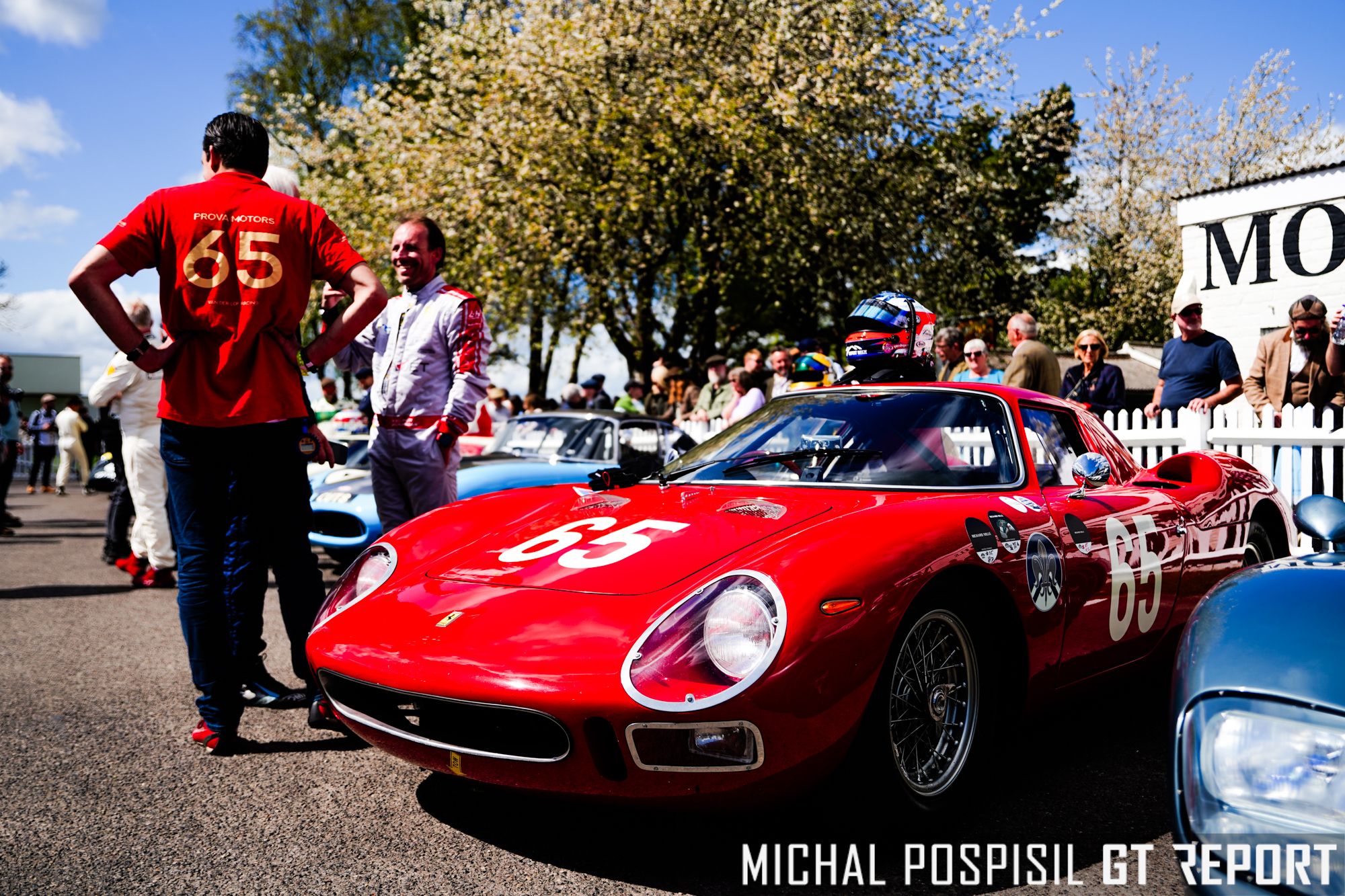
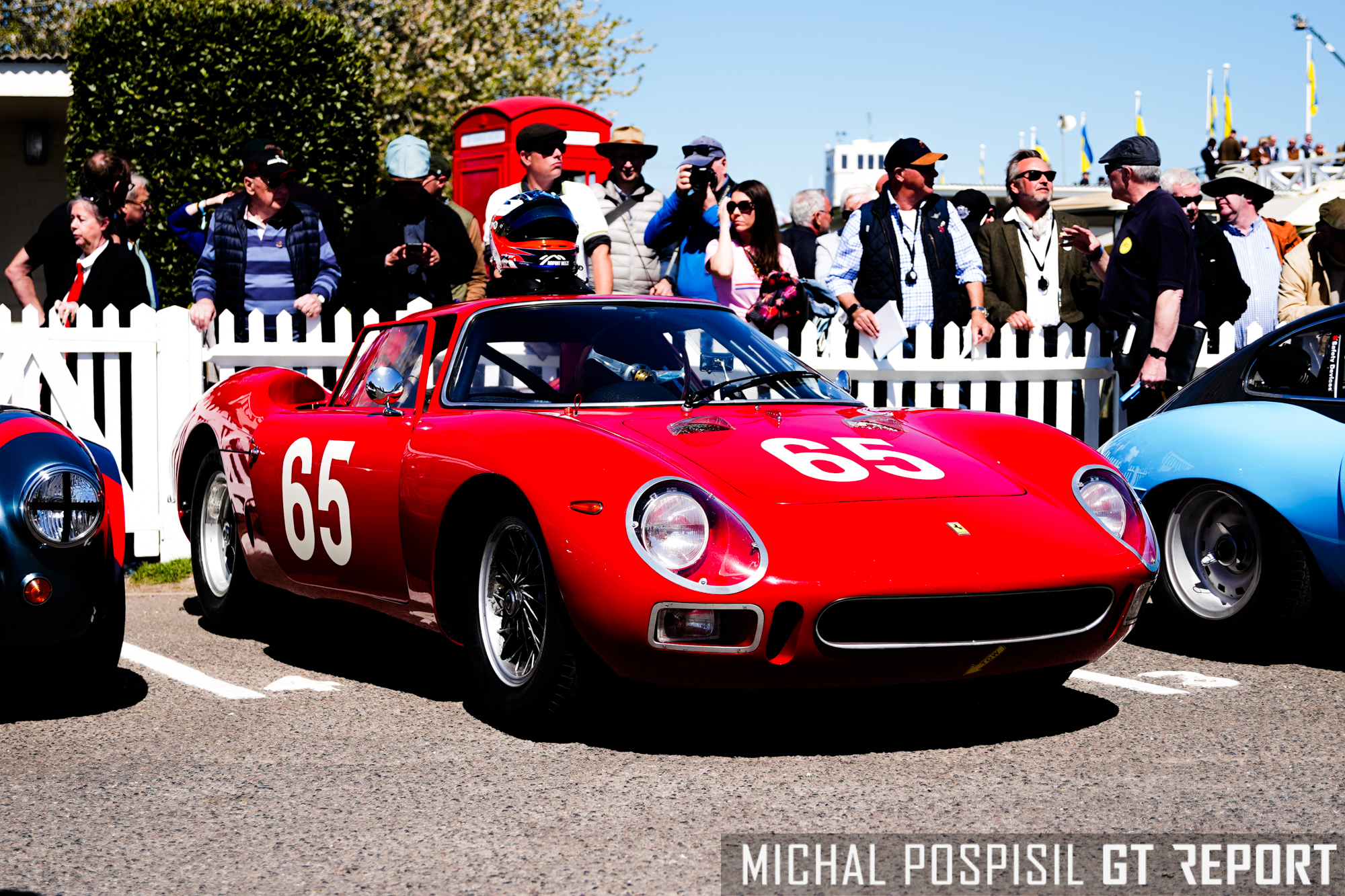
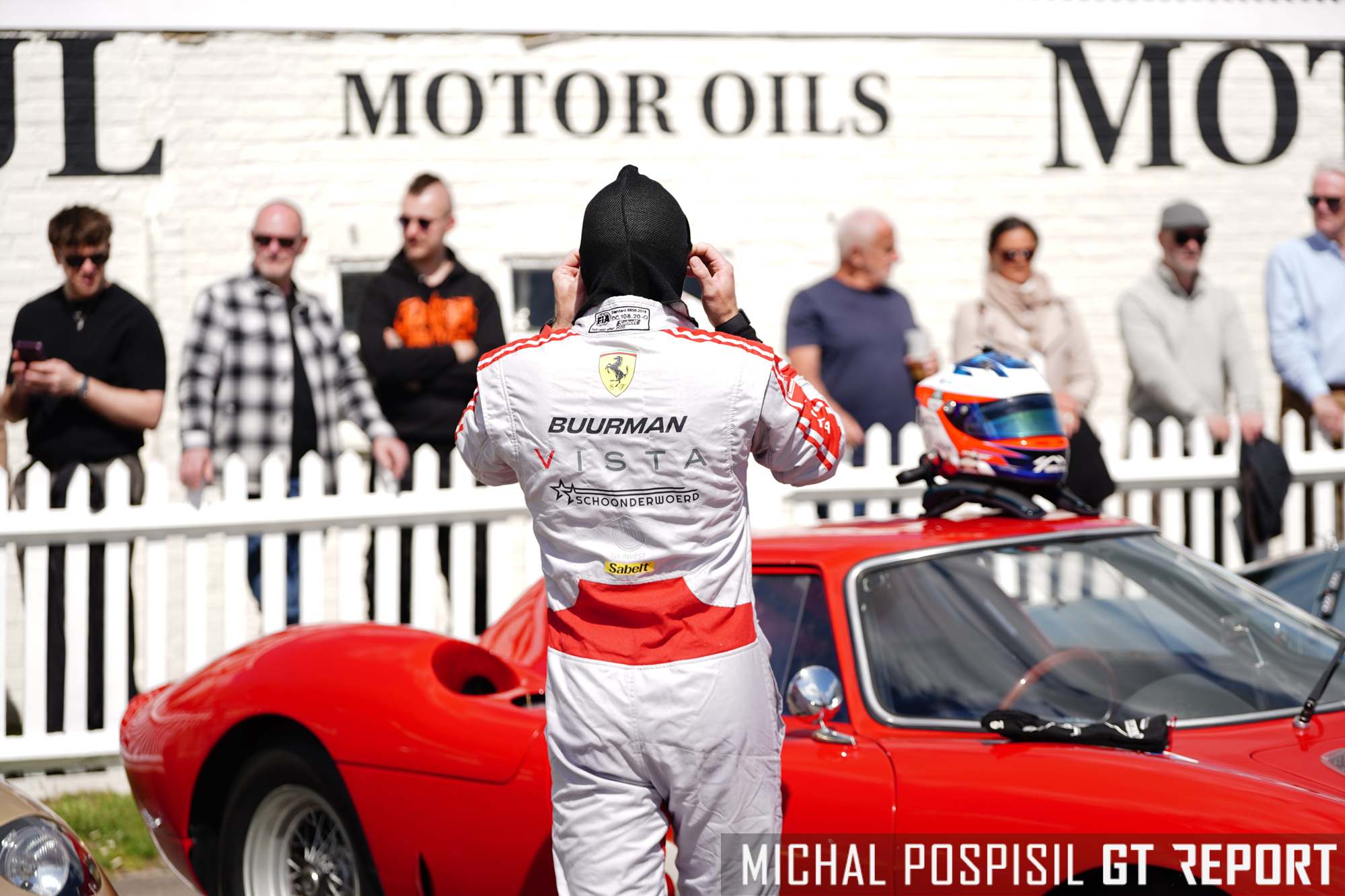
Ferrari 250 LM: Buurman and the Le Mans legend
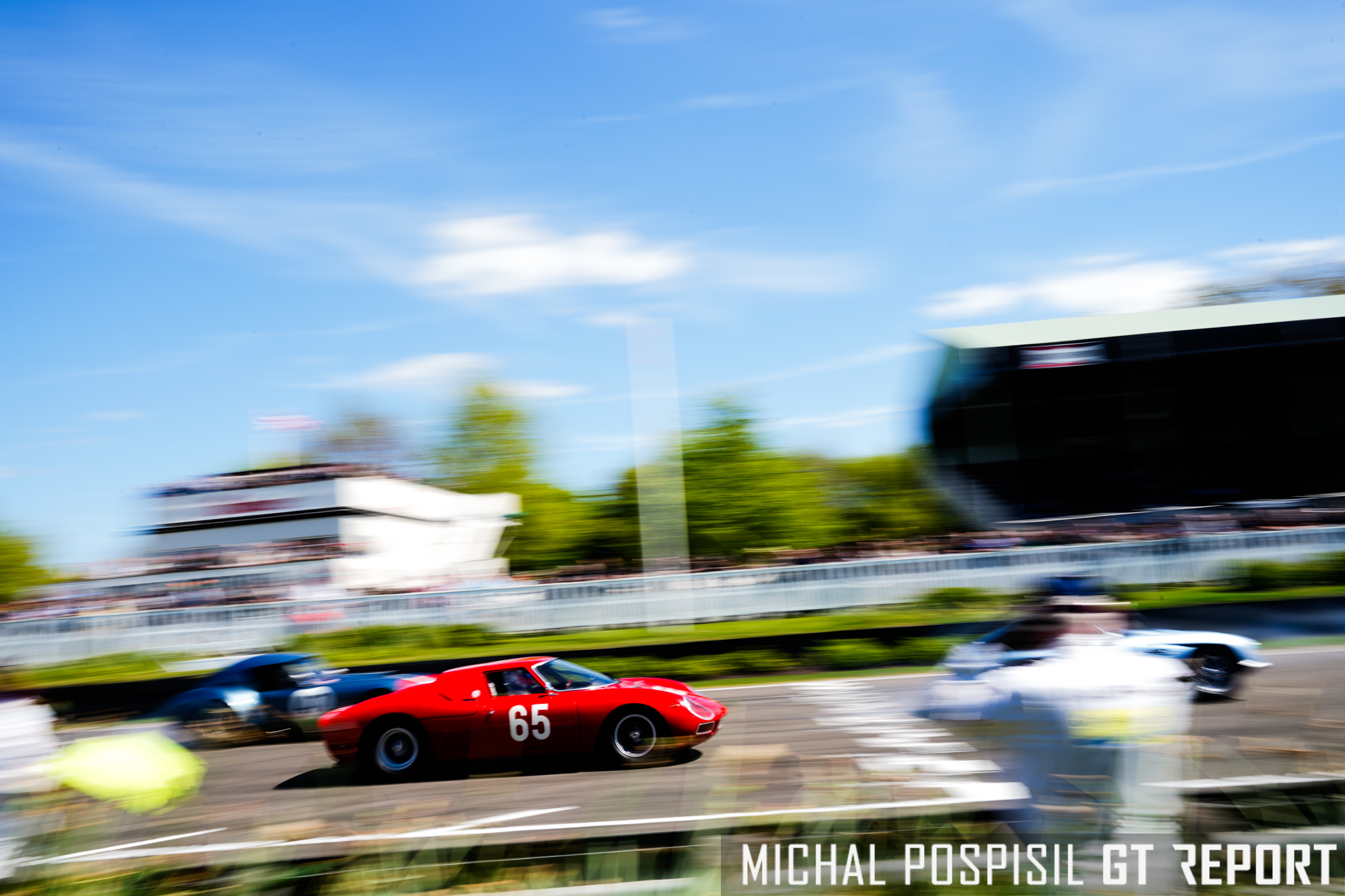
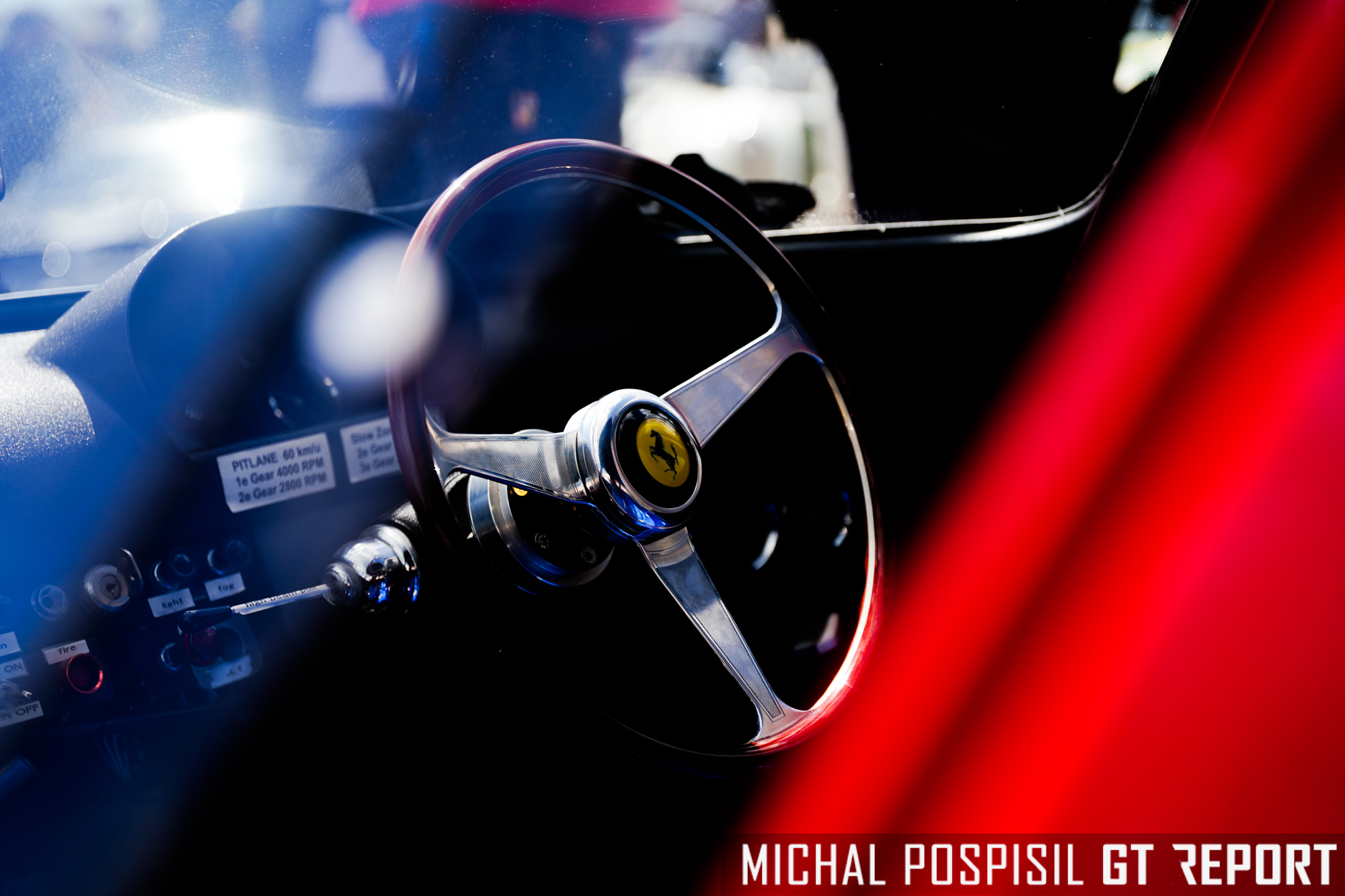
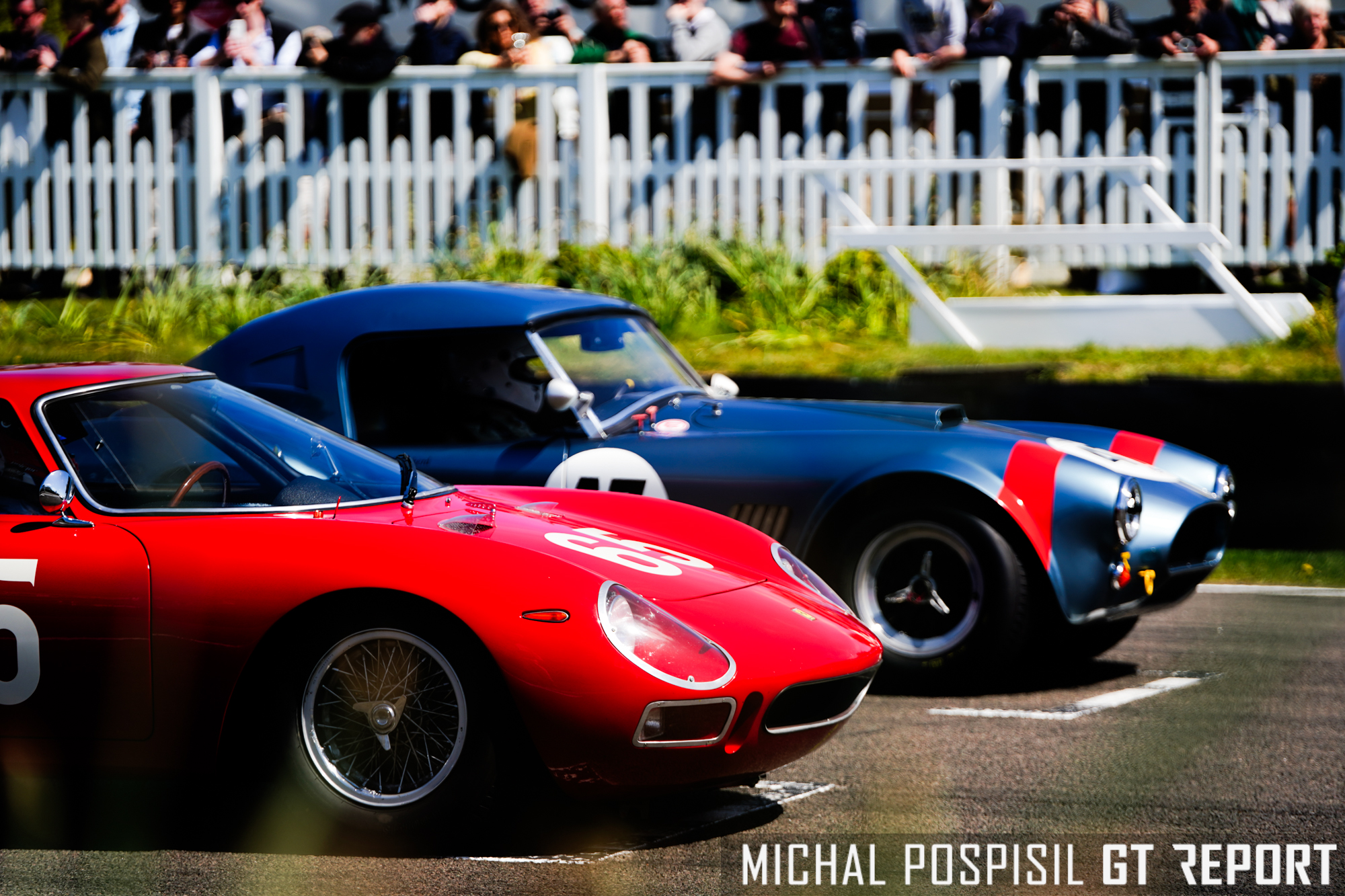
Ferrari 250 LM at the start of the Phil Hill Cup
If the 250 Monza represents Ferrari’s early sports-racing years, the Ferrari 250 LM showcases the moment the company embraced the future.
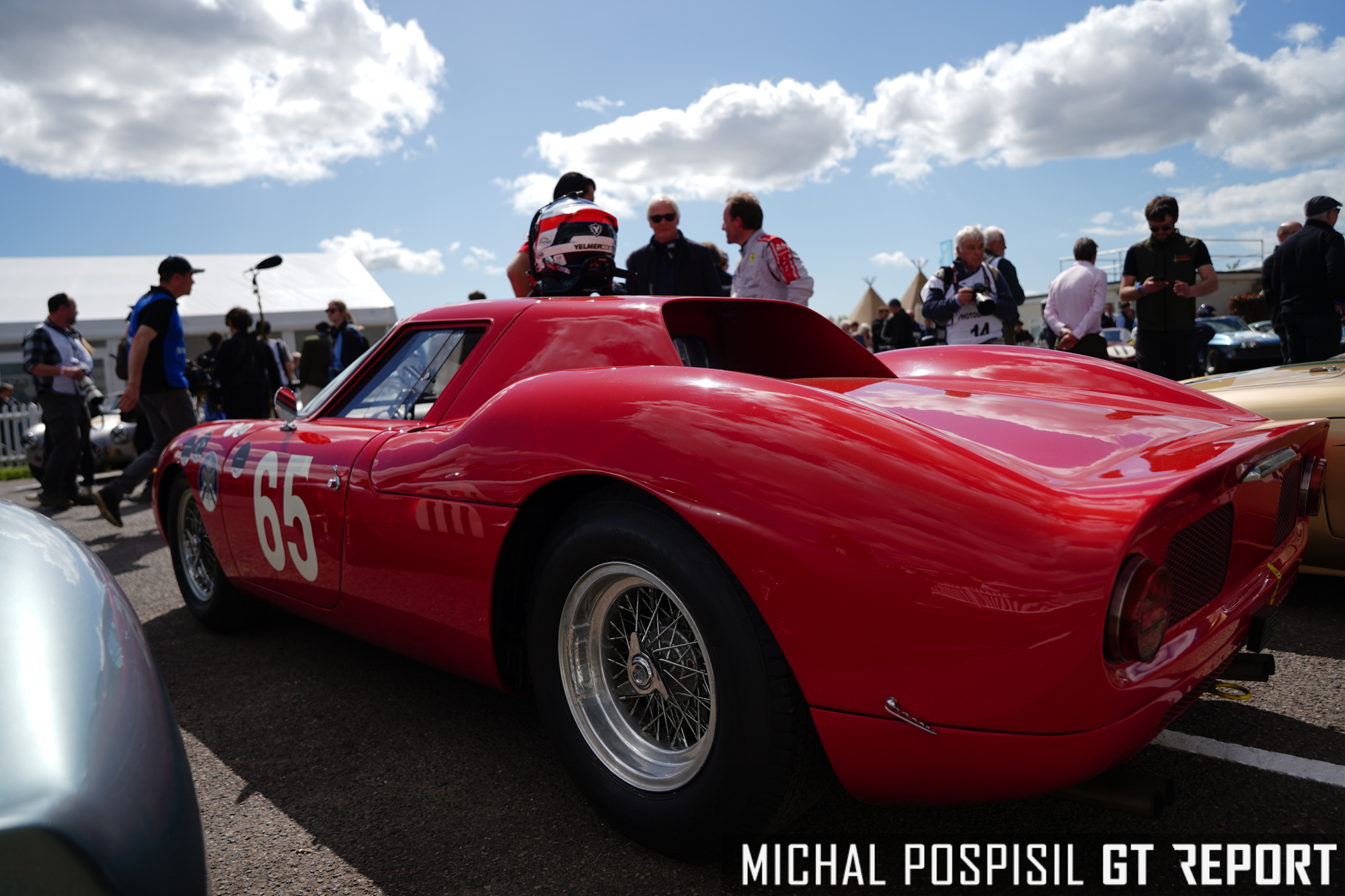
Introduced in 1963, the 250 LM marked a significant departure from Ferrari’s front-engined tradition. Its mid-mounted V12 transformed the car into a purpose-built competition machine, paving the way for future generations of endurance racers.
Its greatest achievement came in 1965 when a privately entered 250 LM claimed overall victory at Le Mans, securing a place in Ferrari folklore.
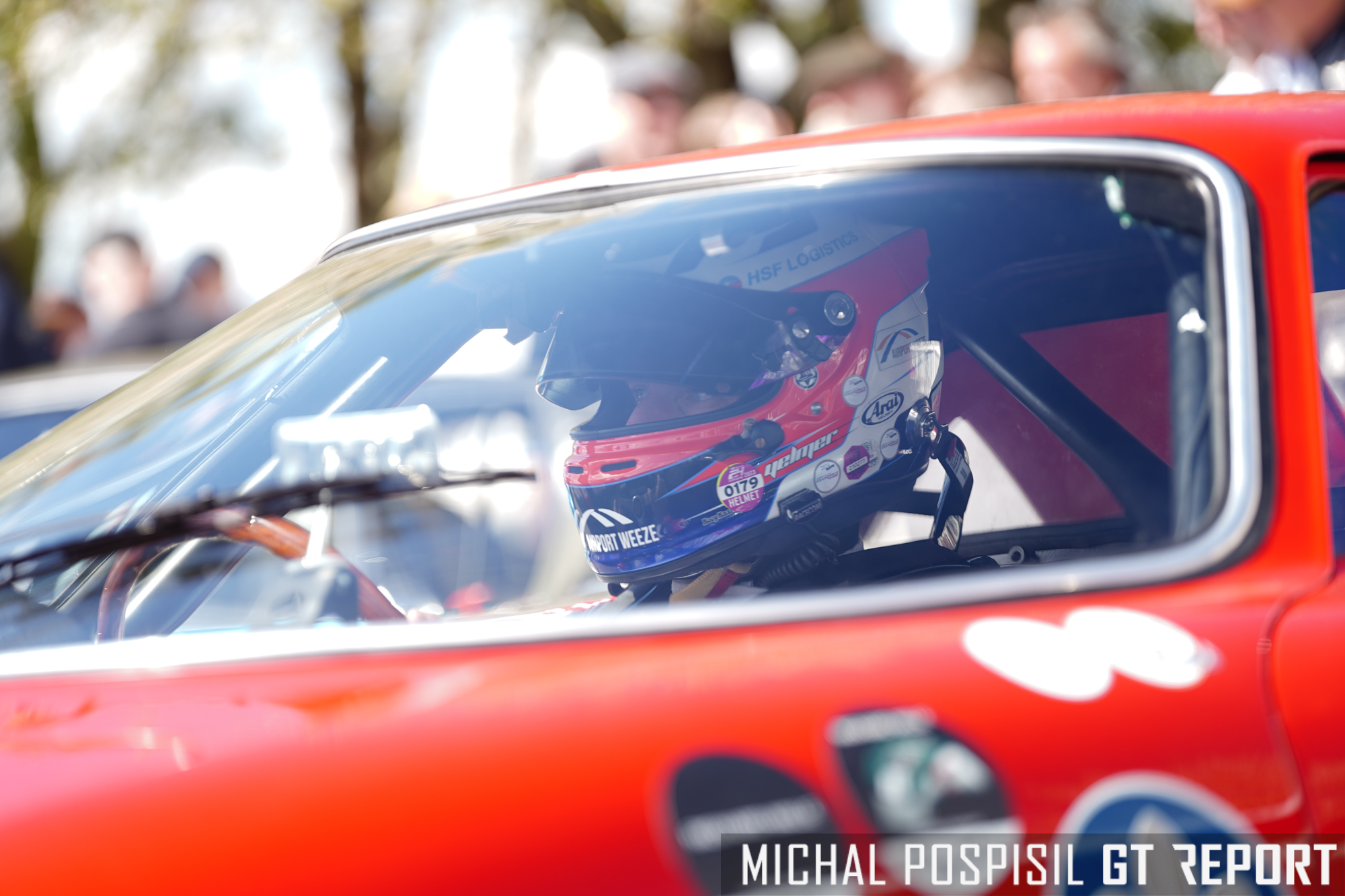
For Yelmer Buurman, the opportunity to drive such a car remains something special every time he climbs aboard.
“Obviously, I dreamed to drive this Ferrari 250 LM from 1965,” he said. “I’ve been lucky enough to drive it before at Le Mans and also here at the Members’ Meeting, but not driving it that often makes it extra special every time.”
Unlike many historic cars derived from road-going models, the 250 LM was conceived as a racer from the outset.
“It’s light, it’s nimble. It’s a lot of fun to drive,” Buurman explained. “It just feels like a proper race car. It’s built as a race car, it’s not built as a road car that was then converted into a race car. Racing is really in its DNA and you feel that.”
The description perfectly captures why the 250 LM remains such an icon. Even six decades after its creation, the Ferrari still communicates its purpose with startling clarity.
Yet if there is one feature Buurman loves above all else, it is the engine.
“The screaming 12-cylinder,” he said enthusiastically. “If you’re asking me a favourite feature about this car, it’s the engine.”
That unmistakable Ferrari soundtrack reverberated around Goodwood all weekend as Buurman pushed the car through the circuit’s flowing corners and fast sweeps.
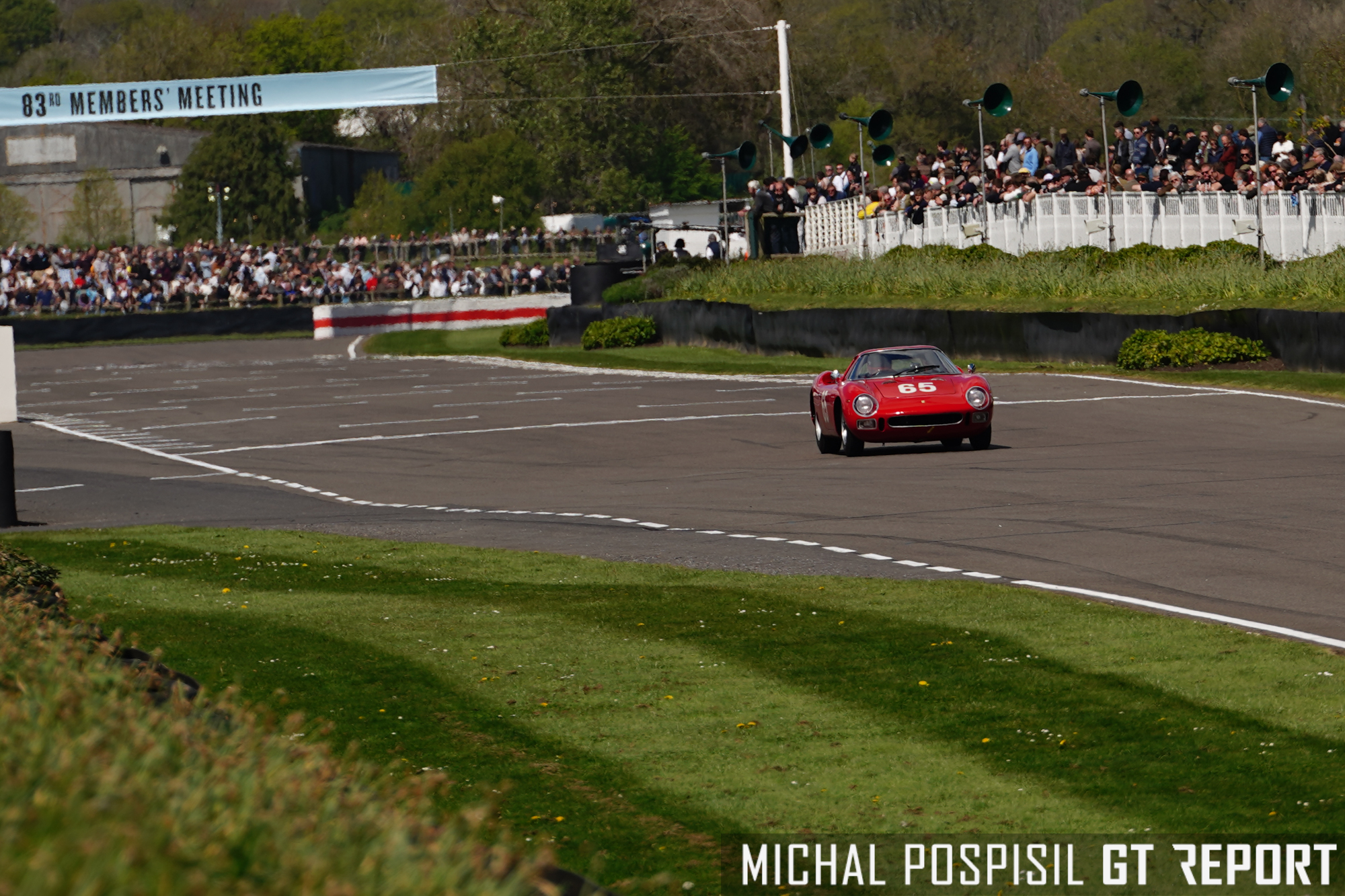
The result was one of the standout performances of the Phil Hill Cup. Buurman had to take the restart from row three after a tricky first effort but proved the quickest on-track once up to speed.
Buurman, having set the fastest lap, overtook Nikolaus Ditting’s Ford GT40 at Lavant on the penultimate lap and put Jenson Button under huge pressure. But the Jaguar in the hands of the 2009 Formula 1 World Champion held on to win by 0.33 seconds.
It was a fitting demonstration of the 250 LM’s enduring pace and capability.
Goodwood As A Time Capsule
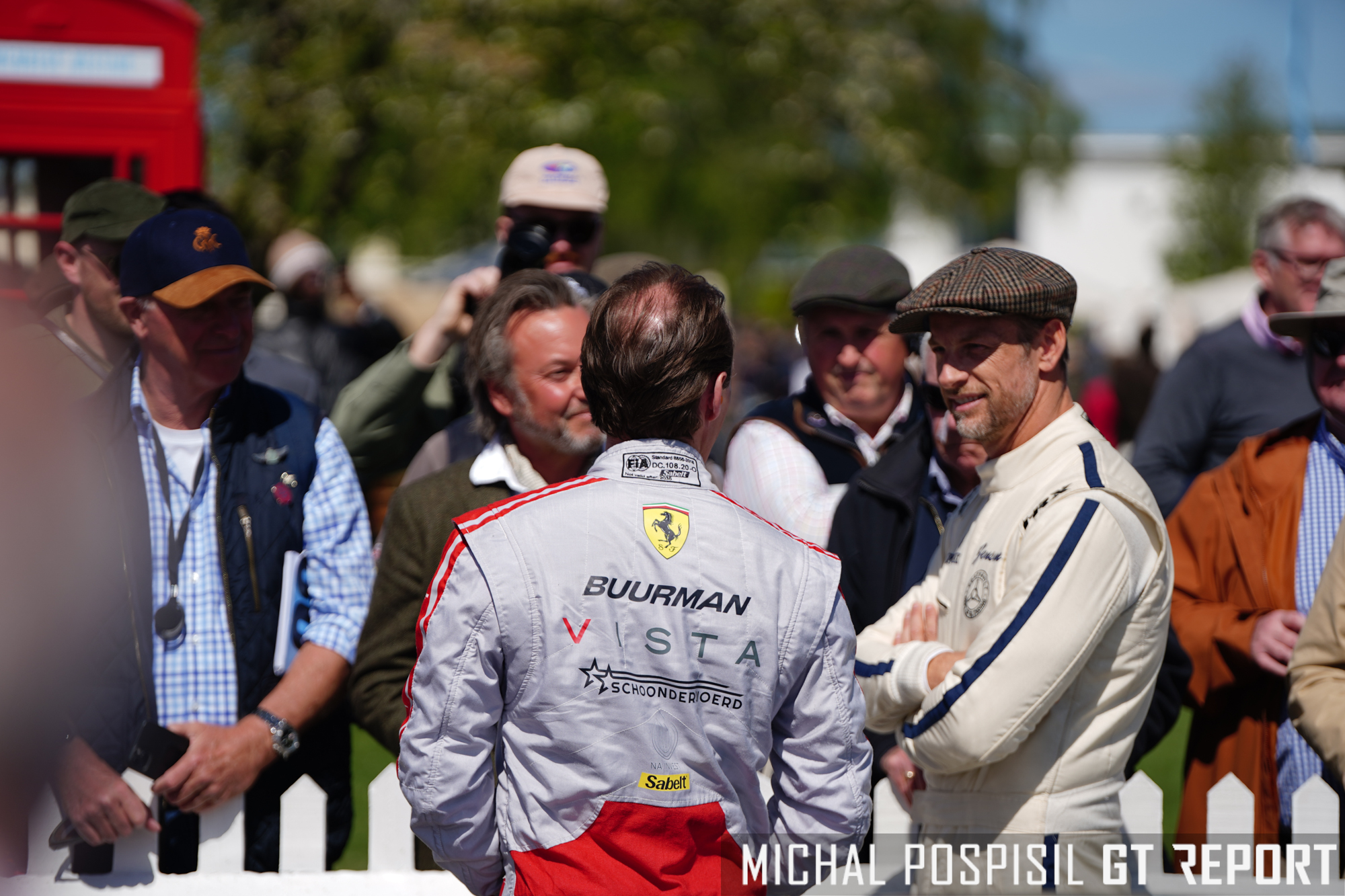
Buurman in conversation with Jenson Button before the race
For both drivers, Goodwood provides something increasingly rare in modern motorsport. The circuit itself remains largely unchanged from its heyday, demanding respect and rewarding precision.
“The whole track is very old school, which makes it very cool,” said Buurman.
“If you look at it on paper, mainly right-handers and basically one left-hander, it looks quite simple. But in reality it isn’t. There’s so much more to it with the elevation changes and the balance of the car.”
He believes circuits like Goodwood deserve protection.
“It’s very special and should be protected because it’s a dying breed. The other tracks you go to are nothing like this.”
Van der Lof shares the same admiration.
“It’s the best you can imagine in the world for a racing circuit,” he said. “It’s such a pure racing circuit. It’s a driver’s circuit. That’s what I love.”
Yet perhaps the most powerful observation came when Buurman described the atmosphere beyond the track itself.
“When you approach the site, apart from the phones, you get the idea you’ve gone 50 years back in time.”
That single sentence perfectly captures what makes the Members’ Meeting unique.
Two Ferrari V12 legends, still alive at Goodwood
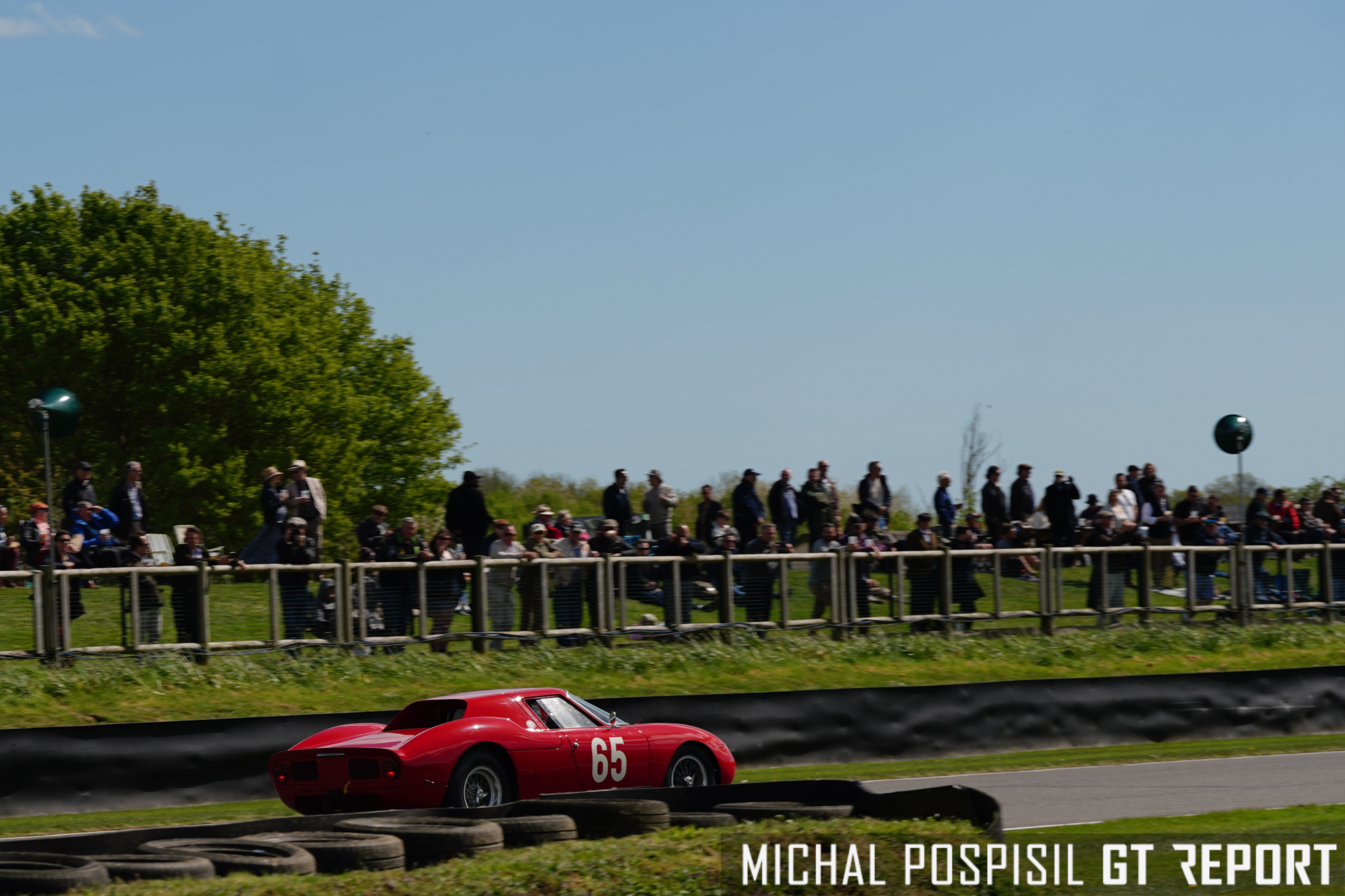
Spectator watching Ferrari 250 in action at the iconic Goodwood circuit
The two Ferraris featured at this year’s Members’ Meeting could hardly be more different.
The 250 Monza belongs to Ferrari’s formative years, when open-cockpit sports racers battled across Europe with little more than courage and mechanical reliability separating victory from defeat.
The 250 LM represents Ferrari’s next evolutionary step, embracing mid-engined design and establishing a blueprint for future endurance racers.
Yet both cars share the same fundamental purpose.
For Van der Lof, the Monza is a family treasure that carries memories across generations. For Buurman, the 250 LM remains a thoroughbred racing machine capable of delivering the same thrills it offered drivers sixty years ago.
At Goodwood, neither car was treated as a static exhibit. Neither sat quietly behind ropes. Instead, they did exactly what Enzo Ferrari intended. They raced.
And as the echoes of two very different V12s rolled across the Sussex countryside, they delivered something far more meaningful than a result sheet. The Monza carried a family’s history back onto the circuit where it belonged, while the 250 LM reminded everyone why Ferrari’s greatest racing legends still stir the soul.
For those who witnessed them, the memory will linger long after the engines fell silent: the sight of scarlet Ferraris in full flight, the sound of twelve cylinders through the trees, and the feeling that history was not simply being remembered at Goodwood. It was being lived.
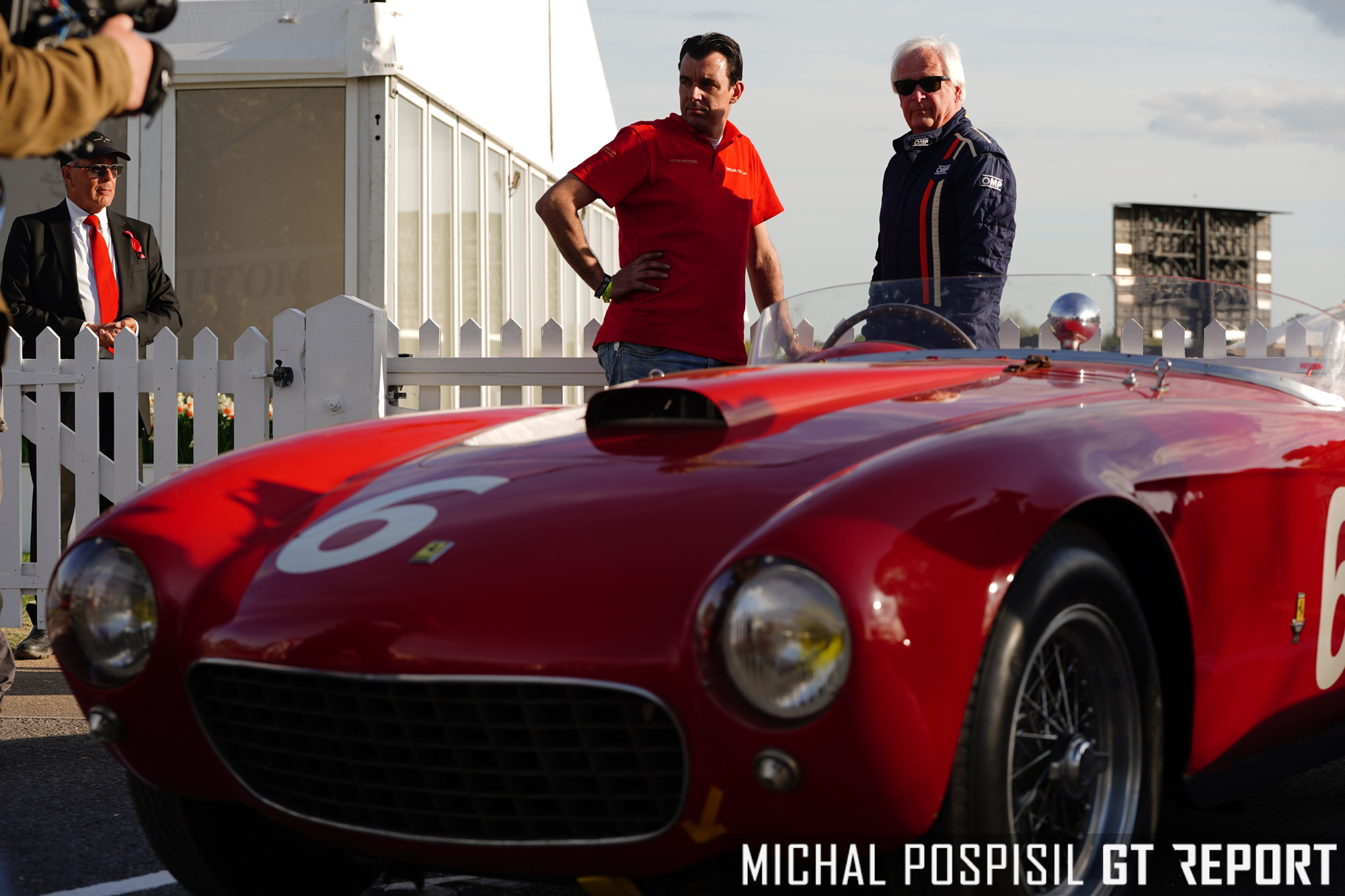
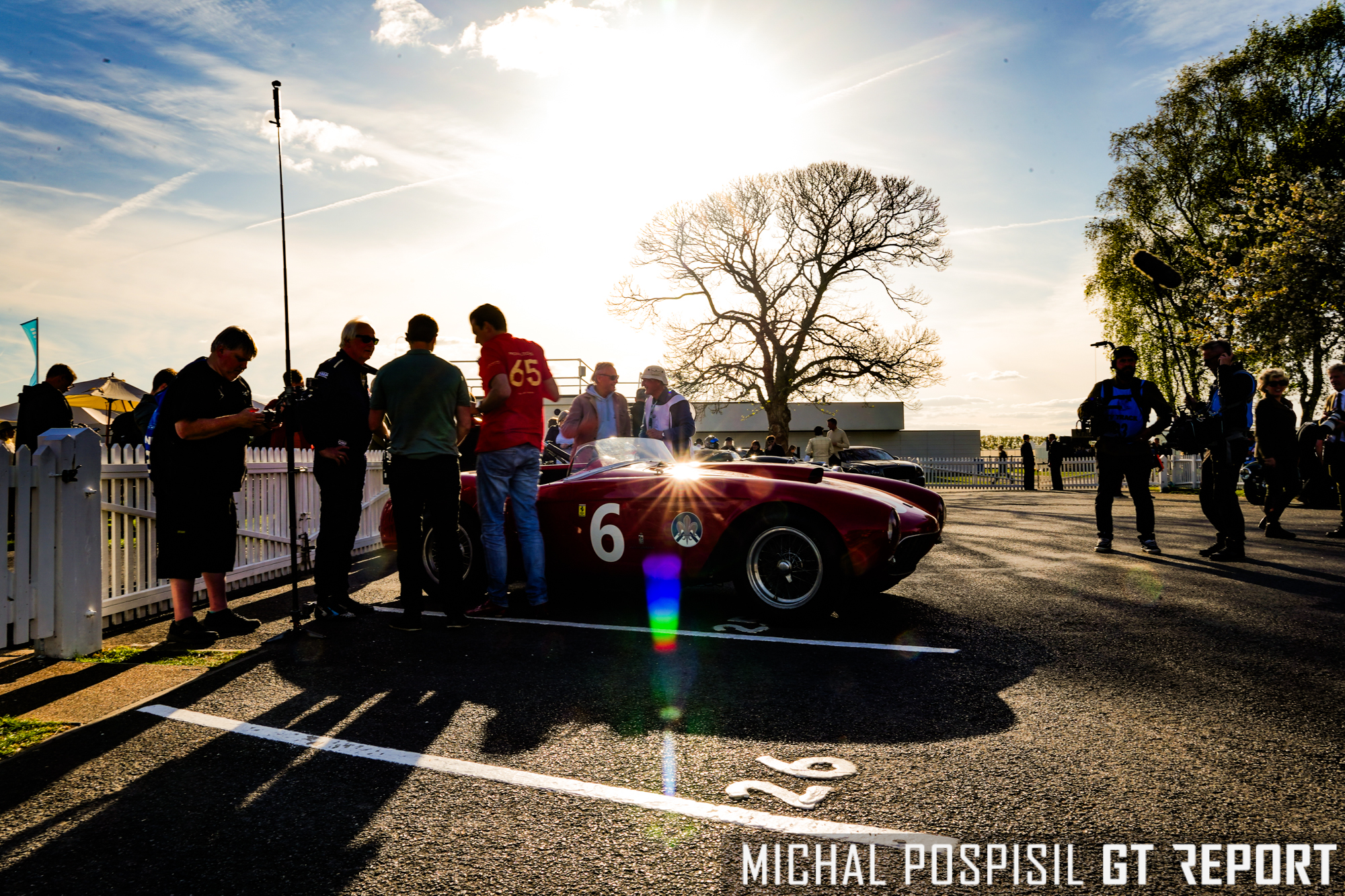
Alexander van der Lof with his Ferrari 250 Monza
Photos by Michal Pospisil


Love what we do? Support GT REPORT with a donation and fuel our next trip to the racetrack.
Even €5 makes a difference!