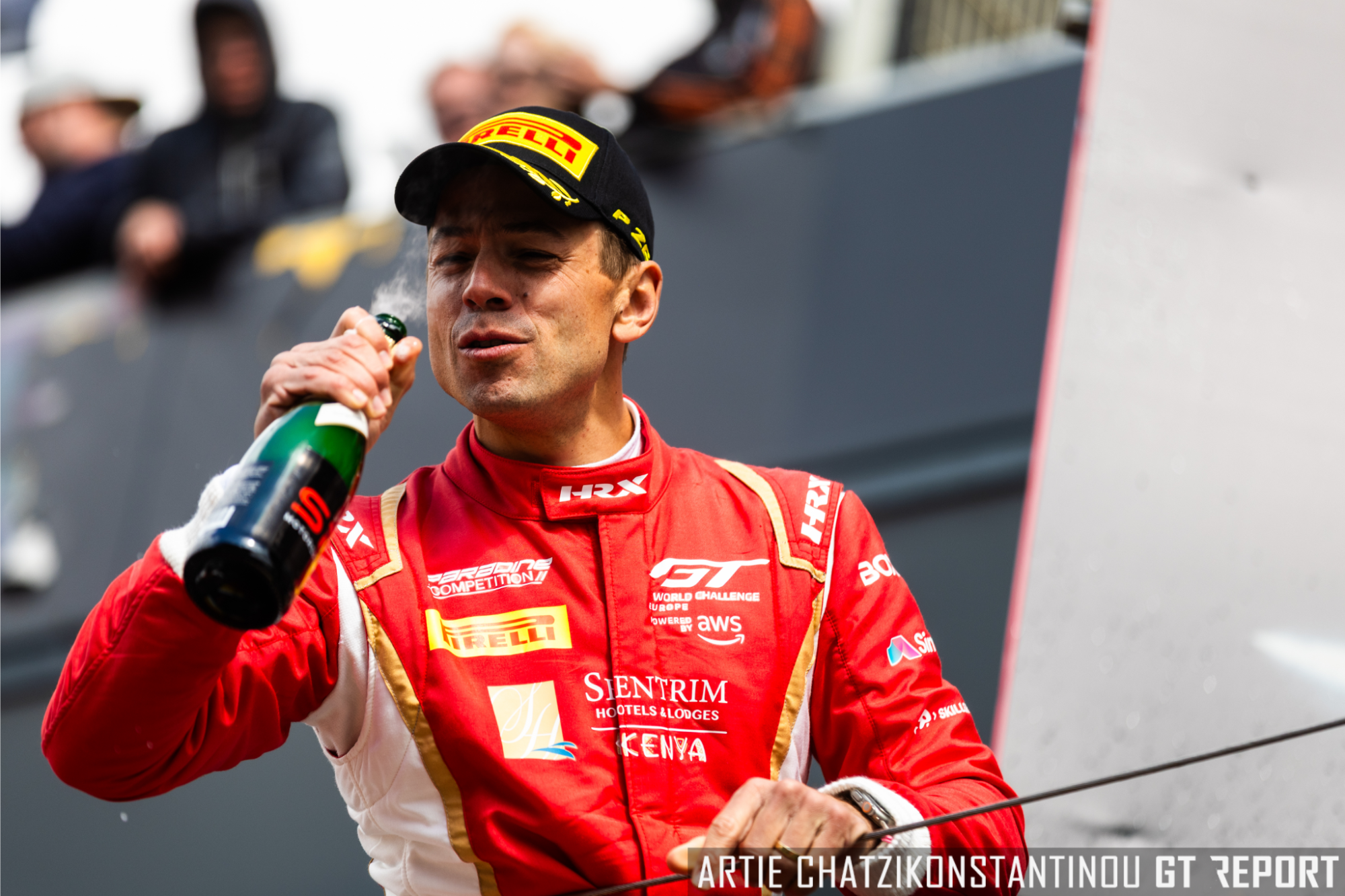
For Augusto Farfus, racing has never been just a career. It is the thread running through almost every part of his life: from helping shape BMW’s M4 GT3 into a race winner to spending more than 200 days a year at the track and now watching daughter Vicky begin to build a racing career of her own.
Ask Farfus how he is doing and there is only one possible answer: sensational. “It’s funny, because when people ask me how I’m doing, I say sensational because I’ve never worked in my life,” Farfus laughs in conversation with GT REPORT. “I’ve managed to live 30 years from my hobby, meet great people and do what I love. So I’m happy.”
That enthusiasm has hardly faded over the years. Few drivers know the BMW M4 GT3 quite like Farfus. Long before the car became one of the most successful and widely-used GT3 platforms on the grid, he was involved in laying its foundations. “All of us tried very hard over the years to make a car which is the most adaptive, or flexible, whatever word you want to use, as a GT3 car,” he explains.
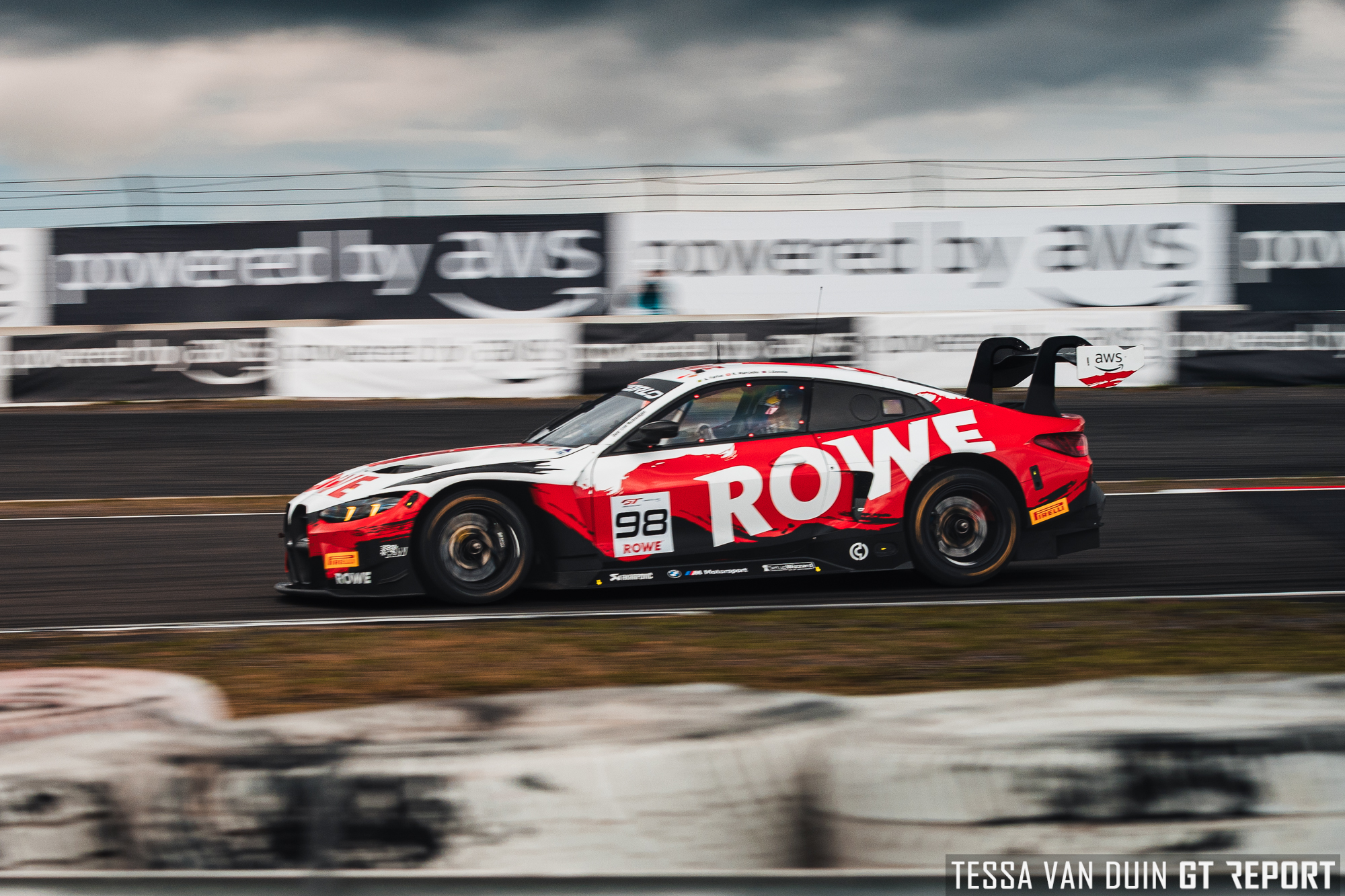
“We have seen great success. We have seen our car winning on different kinds of tracks, in different weather. Whenever you have changing conditions, it’s always a bit of a gambling situation. What’s going to happen? How’s it going to happen? But I think every race weekend, we are well prepared,” Farfus refers to BMW, Paradine Competition in the GTWC Sprint Cup, and ROWE Racing in the GTWCE Endurance Cup.
‘It’s like my baby’
His connection to the car is considerably deeper than simply racing it. When BMW decided to develop its next-generation GT3 machine, Farfus was one of the very first people involved. “The development of the M4 GT3… I always say that it’s like my baby,” he says. “I was the guy, when BMW decided to make a new GT3, who was the first one to get a call. Then I went to Munich. We discussed what we expected from the car and the experience I had from the car before.
“For maybe the first 15 test days it was only myself, deciding where even the buttons would sit in the cockpit and stuff like this. Eventually that turned out to be probably the most successful BMW race car ever.”
As always, he also wants to emphasize the teamwork behind it: “That’s not down to myself. We have a great group of people, a great group of drivers. After the first step of development, everyone got involved.” There’s plenty of ‘evidence’ of how succesful the project is and the car’s development traject reaches. Farfus delivered the M4 GT3 first European victory at the Nürburgring in 2022, only months into the car’s competitive life.
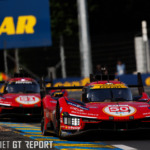
Three years later, he was part of the ROWE Racing crew that won the Nürburgring 24 Hours alongside Jesse Krohn, Raffaele Marciello and Kelvin van der Linde. The attempt to defend that victory in 2026 ended early when the #1 ROWE Racing BMW suffered a technical problem, but it did little to change Farfus’ assessment of BMW’s current position in GT racing.
“If you had asked people in the paddock maybe ten years ago about BMW GT3 cars, their reputation would not have been as strong as it is now,” he says. “Now I think we can put ourselves definitely among the top three strongest GT3s at the moment, and one of the most successful ones as well.”
A racer more than 200 days a year
The amount of time Farfus still spends at race tracks perhaps explains why, after so many years at the highest level of GT racing, the enthusiasm has never disappeared. His BMW duties are only one part of a schedule that also includes his racing academy and supporting Vicky’s developing career.
“I’m a racer,” Farfus’ explanation is simple. “I do an average of 250 days a year at the racetrack, definitely more than 200 days. Not only for BMW. Now I have my racing academy, which is running very well, I have Vicky, and then I have all my duties at BMW. There are months where I do 25 days at the racetrack and people often tell me: ‘But you’re crazy, how can you do so much?’ And I’ve never refused a race. Never.”

For Farfus, it is less about filling a calendar and more about remaining in the environment he has spent almost his entire life in. “Because I love this environment. I love being behind the wheel of a car and trying to go faster and push. Racing is my passion,” he continues. That same appetite has increasingly led Farfus towards helping younger drivers. Through his academy and his work around BMW, the Brazilian now passes on some of what he has learned over three decades in the sport.
Watching Vicky walk her own path to the top of racing
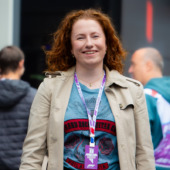
But nowhere is that new role more personal than with his daughter Vicky. After spending most of his own life building a career in racing, Farfus is now watching her take the first steps in hers. The 15-year-old made the step from karting into the Ginetta Junior Championship in 2026 with Paradine Competition, carrying the colours of Iron Dames.
She arrived in car racing after finishing fourth in the 2025 FIA Karting World Cup, becoming the first female driver to finish inside the top five of an FIA karting World Cup event. Farfus insists none of it was planned: “If we would have done this interview five years ago, I would have never thought that my daughter would be a racing driver,” Farfus admits.
“She never asked, I never pushed. Vicky has always been extremely competitive, extremely coordinated and she picks up stuff fairly quickly. About four years ago, she said: ‘I want to be a driver.’ And I said: ‘Vicky, there is no way you can be a driver. It’s not like a hobby. Being a driver, you’re either all in or all out. Everything in between does not exist’. She kept pushing and eventually now we are here!”
Starting relatively late in karting meant making up ground quickly. Farfus watched her close that gap before producing the World Cup result and taking the next step into cars. “Things happened very quickly. Too fast to a certain extent, but she’s reacting very well,” he says with a laugh. “Now I have to say she’s a professional driver.

“I’m proud of her commitment, of how disciplined she can be,” he says. “People often ask me: how good is Vicky? Of course, if I say she’s incredible, people think I’m lying because I’m a father. If I say she’s bad, I would also be lying because she’s not bad. So I always say to people: I think she has all the skills to maybe be the one. Will she become the one? I don’t know. But she’s working very hard for it and I’m supporting.”
Farfus’ advice to youngsters remains simple
The Brazilian is sometimes tempted to prevent his daughter from making mistakes, but thinks she also has to ‘go through the pain’. “The experience I have, I can’t simply transfer,” Farfus says. His advice, to Vicky or any other youngster aiming for a career in racing, therefore remains simple.
“If you really want it, go for it. It’s not easy. It’s probably one of the toughest sports in the world, not only to be successful but also because it’s very expensive. This is a sport where it’s not only down to the driver. You need the car, you need the mechanic, you need the team, you need the environment as well.
“But if you start deep from your heart knowing what you want, I think you’re already halfway.”